
Home insurance companies do give discounts for security systems, with savings ranging from 2% to 20% depending on the devices installed, the monitoring type, and the insurer’s specific requirements.
This guide covers whether every insurer participates, which system types qualify, how to claim the discount, what limits apply, and whether professional monitoring delivers the highest savings.
Most insurers offer a basic reduction for standalone smoke detectors or burglar alarms, typically 2% to 5%. Combining a monitored burglar alarm with a sprinkler system or fire detection can push that figure to 15% to 20% at some carriers.
Not every insurer participates, and eligibility requirements vary. Some carriers require UL-certified equipment, a compliant monitoring agreement, and written documentation from the alarm company before approving any reduction.
Claiming the discount is not automatic. You must notify your insurer after installation, submit the required documentation, and specifically request the reduction. Mid-policy requests are accepted by most carriers, so you do not have to wait until renewal.
Several factors shape the final discount amount. Your home’s location, the age of your system, whether your monitoring station holds UL certification, and the ability to stack multiple device discounts all affect your total savings.
Professional central station monitoring is the tier insurers reward most. UL-certified stations can issue Protected Property Alarm System Certificates that insurers and code officials commonly require, and 24/7 monitored systems consistently qualify for higher discount tiers than unmonitored or self-monitored alternatives.
Do Home Insurance Companies Actually Give Discounts for Security Systems?
Yes, home insurance companies do give discounts for security systems. The savings range from modest reductions for basic devices to significant premium cuts for monitored alarm systems. The following sections cover exactly how much you can save, whether every insurer participates, and how verification works.
How Much Can a Security System Lower Your Home Insurance Premium?
A security system can lower your home insurance premium by 2% to 20%, depending on the system type. According to the Wisconsin Office of the Commissioner of Insurance, basic devices such as smoke detectors and burglar alarms typically earn discounts of 2% to 5%, while a sophisticated sprinkler system combined with a police-notifying burglar alarm can reduce premiums by 15% to 20%.
The California Department of Insurance similarly confirms discounts of 5% to 20% for smoke detectors, deadbolt locks, sprinkler systems, and alarm systems that directly alert police or fire departments.
With premiums rising sharply in recent years, these discounts carry real weight. A security investment that cuts even 10% off an elevated premium delivers meaningful annual savings worth actively pursuing.

Does Every Home Insurance Company Offer a Security Discount?
Not every home insurance company offers a security discount, and eligibility requirements vary by insurer and state. Some carriers require documented proof that equipment meets specific standards before approving any reduction.
In Texas, for example, the Bexar County Sheriff’s Office specifies that homeowners must obtain a letter from their alarm company confirming all equipment is U.L. approved, monitored by a U.L. approved central station, and compliant with state licensing statutes. The letter must be signed by a company representative and addressed to the insured at the covered property’s address.
Always confirm your insurer’s specific requirements before assuming a discount applies automatically.
How Do Insurance Companies Verify You Have a Security System?
Insurance companies verify you have a security system primarily through documentation from your alarm provider. Common verification methods include:
- A signed letter from the alarm company confirming U.L.-approved equipment and a U.L.-certified monitoring station.
- A UL Protected Property Alarm System Certificate issued through UL Solutions’ CertsView platform, which insurers and code officials frequently require.
- Proof of a monitoring contract showing 24/7 central station service.
Keeping these documents on file and submitting them proactively when you request a discount is the most reliable way to ensure your insurer processes the reduction without delay.
What Types of Security Systems Qualify for Home Insurance Discounts?
Several security system types qualify for home insurance discounts, including monitored alarms, smoke detectors, deadbolt locks, and sprinkler systems. The sections below break down how monitoring status, installation method, device type, and fire detection capabilities each affect your discount eligibility.

Do Monitored Security Systems Get Better Discounts Than Unmonitored Ones?
Monitored security systems generally get better discounts than unmonitored ones. According to the Oklahoma Insurance Department, common qualifying devices include smoke detectors, burglar alarms, monitored security systems, and deadbolt locks with monitored systems typically earning the highest discount tier among these options.
Unmonitored alarms may still qualify for a small reduction, but insurers assign greater risk-reduction value to systems that alert a central station, since a passive alarm that only sounds locally provides no guaranteed emergency response.
Does a Smart Doorbell Camera Qualify for a Home Insurance Discount?
A smart doorbell camera may qualify for a home insurance discount, but eligibility varies by insurer. Most carriers focus their discount programs on burglar alarms, smoke detectors, sprinkler systems, and monitored security systems rather than standalone cameras.
A doorbell camera is more likely to count toward a discount when it is part of a broader integrated smart home security system rather than a single add-on device. Always confirm qualifying device lists directly with your insurer before purchasing.
Do Professionally Installed Systems Get Larger Discounts Than DIY Systems?
Professionally installed systems typically get larger discounts than DIY systems. Insurers tend to favor professional installations because they meet verified equipment and wiring standards, reducing the risk of system failure during an actual intrusion.
The deterrence value is real: according to a Rutgers University study, a steady decrease in burglaries in Newark between 2001 and 2005 coincided with a rise in registered home burglar alarms. With the Bureau of Justice Statistics reporting 13.1 million property victimizations in 2024, insurers have strong actuarial reasons to reward systems most likely to prevent claims.
Does a Home Security System With Fire and Smoke Detection Increase the Discount?
A home security system with fire and smoke detection does increase the discount in most cases. According to the California Department of Insurance, many insurers offer discounts from 5 to 20 percent for smoke detectors, deadbolt locks, sprinkler systems, and alarm systems that directly alert police or fire departments.
New York’s Department of Financial Services reinforced this in Insurance Circular Letter No. 3 (2024), actively encouraging insurers to file actuarially supported discounts for smoke alarms, sprinkler systems, and fire extinguishers. Adding fire and smoke detection to a burglar alarm system creates a multi-hazard protection profile that insurers consistently reward with higher combined discounts.
How Do You Claim a Security System Discount on Your Home Insurance?
Claiming a security system discount requires proactive communication with your insurer. According to the Texas Department of Insurance, if you install a monitored security alarm or a smart home system, you should tell your insurance company and ask about a discount. The sections below cover documentation, timing, and how to request your discount.

Do You Need a Certificate of Installation to Get the Discount?
Yes, you often need a certificate of installation to get the discount. Most insurers require written proof that a qualifying system has been professionally installed and, in many cases, is actively monitored. UL Solutions issues Protected Property Alarm System Certificates through its CertsView application, which are commonly required by insurance companies to verify the features of an installed system and its monitoring services. Some insurers also request a letter directly from your alarm company confirming the equipment specifications and monitoring compliance. Having this documentation ready before contacting your insurer speeds up the approval process considerably.
Does the Discount Apply Automatically or Do You Have to Request It?
No, the discount does not apply automatically; you have to request it. Insurers do not typically audit your home improvements between policy terms, so they will not know about a new system unless you tell them. Contact your insurance agent or company directly, describe the system you installed, and specifically ask what discount you qualify for. In 2023, property damage and theft accounted for 97.3 percent of homeowners insurance claims, according to the Insurance Information Institute, which reinforces exactly why insurers are motivated to reward risk-reducing investments once you bring them to their attention.
Can You Get the Discount Mid-Policy or Only at Renewal?
Yes, you can get the discount mid-policy; you do not have to wait until renewal. Most insurers allow a policy endorsement at any point during the term, which adjusts your premium and applies a prorated credit for the remainder of the policy period. Renewal is the most common trigger simply because that is when homeowners naturally review their coverage, but calling your agent immediately after installation means you start saving sooner.
What Factors Affect How Much Discount You Receive?
Several variables determine the size of your security discount, including your home’s location, the age of your system, and whether you stack multiple discounts together.
Does Your Home’s Location Affect the Size of the Security Discount?
Yes, your home’s location affects the size of the security discount you receive. Insurers price risk by geography, so homes in areas with higher burglary rates or more frequent property claims may see larger absolute savings from a security system. However, location cuts both ways. According to the U.S. Department of the Treasury’s Federal Insurance Office, homeowners in the top 20% of high climate-risk ZIP codes paid $2,321 in premiums on average from 2018 to 2022, some 82% more than those in the lowest-risk ZIP codes. When your base premium is that much higher, even a modest percentage discount translates to greater dollar savings.
Does the Age of Your Security System Affect Your Discount Eligibility?
The age of your security system affects your discount eligibility because insurers typically require equipment that meets current standards. Outdated panels, expired central station certificates, or obsolete sensors may no longer satisfy an insurer’s documentation requirements. Most carriers want proof that your system is actively monitored and functioning, so a system that has not been serviced or recertified in years could lose its qualifying status entirely. Keeping your equipment updated and your monitoring agreement current is the most reliable way to protect your eligibility.
Does Combining Security Discounts With Other Discounts Increase Your Savings?
Yes, combining security discounts with other discounts does increase your savings. Most insurers allow multiple discounts to stack, so pairing a monitored alarm discount with reductions for deadbolt locks, smoke detectors, or a claims-free history compounds your total savings. The California Department of Insurance notes that discounts of 5% to 20% are available for combinations of devices such as smoke detectors, deadbolt locks, sprinkler systems, and alarm systems that alert police or fire departments. Stacking these individual discounts is one of the most practical ways to maximize the return on your security investment.
Are There Limits to How Much a Security System Can Save You on Home Insurance?
Yes, there are limits. Insurer caps, policy structure, and home value all constrain how much a security system can reduce your premium. The sections below cover percentage ceilings and how home value affects actual dollar savings.
Is There a Maximum Percentage Insurers Will Discount for Security Systems?
Yes, there is a maximum percentage insurers will discount for security systems, and it typically tops out at 20%. According to the California Department of Insurance, many insurers offer discounts from 5% to 20% for smoke detectors, deadbolt locks, sprinkler systems, and alarm systems that directly alert police or fire departments. Basic devices such as a standalone smoke detector or burglar alarm generally yield only 2% to 5%. Reaching the upper end requires a combination of devices, such as a monitored burglar alarm paired with a full sprinkler system. Beyond the device ceiling, each insurer sets its own maximum, so comparing policies matters as much as upgrading equipment.
Do High-Value Homes Get Higher Dollar Savings From Security Discounts?
High-value homes do get higher dollar savings from security discounts, even when the discount percentage is identical. A 15% discount on a $4,000 annual premium saves $600, while the same rate on a $1,200 premium saves only $180. Since average claim severity reached $13,349 in 2024 according to the National Association of Insurance Commissioners, insurers have strong financial motivation to price risk carefully on expensive properties. In practice, this means homeowners with higher-value homes recover security system costs faster through premium savings, making professional monitoring a more financially compelling decision for that segment.
Is a Home Security System Worth the Cost Even After the Insurance Discount?
A home security system is worth the cost even after the insurance discount for most homeowners, because the benefits extend well beyond premium savings. The sections below examine whether monitoring fees erode those savings and what additional value a system delivers.
Do Monthly Monitoring Fees Offset the Savings From an Insurance Discount?
Monthly monitoring fees do not fully offset the savings from an insurance discount for most homeowners, but the math depends on your premium and system costs. A standard monitored system runs roughly $20 to $60 per month ($240 to $720 annually). If your insurer offers a 10% to 15% discount on a $2,000 annual premium, you save $200 to $300 per year. That narrows the gap considerably, but homeowners in high-risk ZIP codes pay far more. According to the U.S. Department of the Treasury’s Federal Insurance Office, consumers in the highest climate-risk ZIP codes paid $2,321 in average annual premiums, 82% more than those in the lowest-risk areas, making the dollar value of any percentage discount significantly larger in those markets.
Does a Security System Add Value Beyond Just the Insurance Discount?
A security system adds value beyond the insurance discount through deterrence, faster emergency response, and potential claims avoidance. Research from Arizona State University’s Center for Problem-Oriented Policing found that homes with alarms faced a 1.4% burglary risk compared to 2.3% for unprotected homes. Avoiding even one burglary claim eliminates both the out-of-pocket deductible and the risk of a premium increase at renewal. Beyond theft, a monitored system with fire and CO detection can catch emergencies before they escalate into major losses. For most homeowners, the combination of reduced risk exposure, insurance savings, and genuine peace of mind makes a security system a sound long-term investment.
How Does Professional Monitoring Affect Your Home Insurance Discount?
Professional monitoring affects your home insurance discount by demonstrating verified, documented emergency response capability to insurers. The headings below cover how UL-certified central station monitoring qualifies for higher discounts, how Pioneer Security’s AI-powered system fits that standard, and key article takeaways.
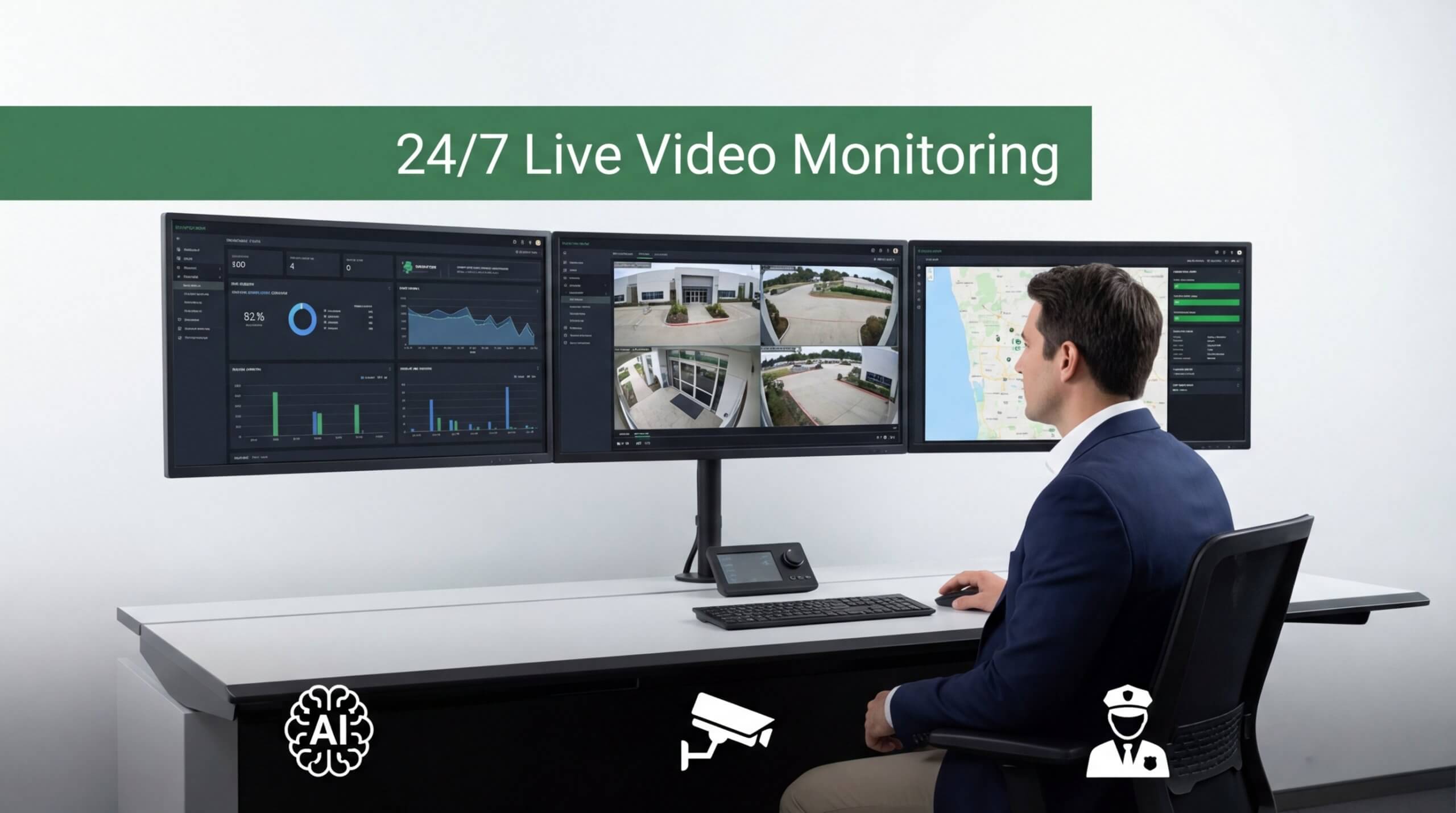
Does 24/7 Live Video Monitoring Qualify for a Higher Insurance Discount Than Standard Alarm Monitoring?
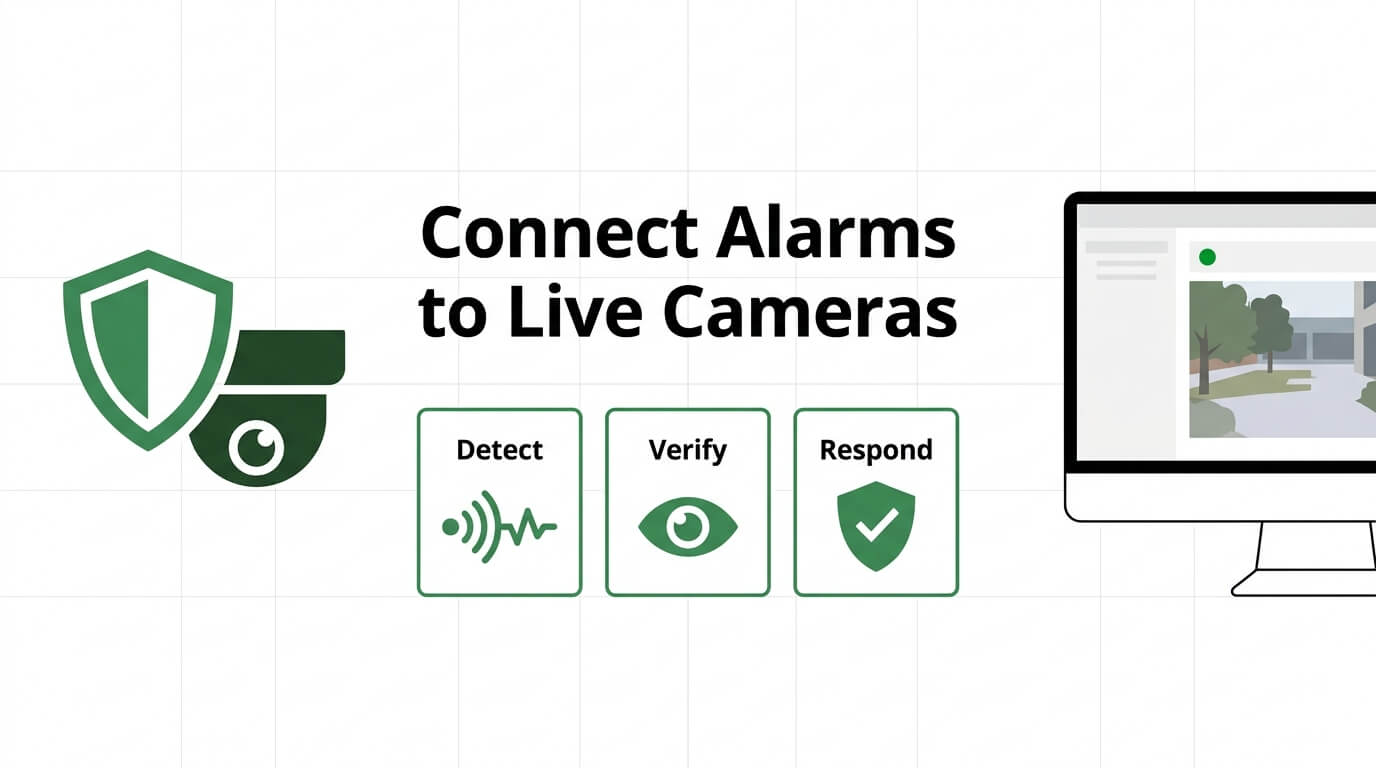
Yes, 24/7 live video monitoring can qualify for a higher insurance discount than standard alarm monitoring, particularly when the monitoring station holds UL certification. Insurers treat certified central stations as a stronger risk-reduction proof than self-monitored or basic alarm systems.
According to UL Solutions, Central Station Service Certification, UL-listed stations certified for full-service categories such as Central Station Burglar Alarm Systems (CPVX) or Central Station Fire Alarm Systems (UUFX) can issue Protected Property Alarm System Certificates, which insurance companies and code officials often require. The National Fire Protection Association further notes that a UL 827-listed central station provides dedicated 24-hour monitoring, record keeping, testing services, and runner service, well beyond what a standard alarm delivers.
Certification documentation is what unlocks the largest discounts. Without it, even a feature-rich system may only qualify for a basic percentage reduction.
Can Pioneer Security’s AI-Powered Live Monitoring Help You Qualify for Home Insurance Discounts?
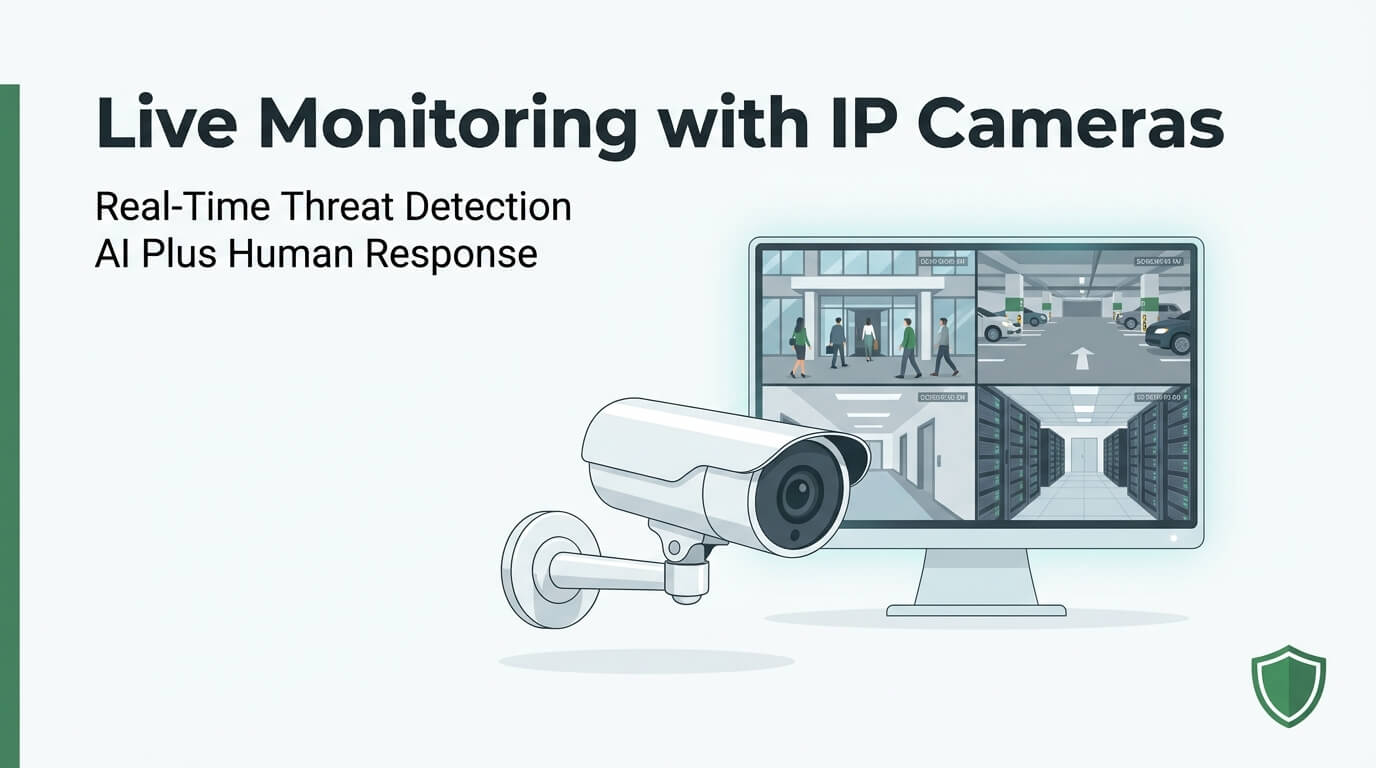
Yes, Pioneer Security’s AI-powered live monitoring can help you qualify for home insurance discounts. Pioneer Security operates US-based professional monitoring centers, provides 24/7 live video surveillance through AI-powered systems, and offers video verification capabilities that support the documented response insurers look for when awarding discounts.
Pioneer Security’s monitoring integrates Nvidia GPU-powered AI with 4K cameras, US-based guards, and direct 911 dispatch capability. Homeowners should confirm with their insurer whether these features meet their specific requirements for verified monitoring certificates. Homeowners should contact their insurer directly and request any required UL certification documentation from Pioneer Security to apply the discount to their policy.
What Are the Key Takeaways About Home Insurance Discounts for Security Systems We Covered?
The key takeaways about home insurance discounts for security systems are:
- Professional central station monitoring unlocks the highest discounts. UL-certified stations can issue certificates insurers require to award discounts above the basic 2% to 5% range.
- Discount size depends on system type. Smoke detectors and basic alarms earn smaller reductions; systems combining burglary alarms, fire detection, and police notification reach 15% to 20% at some insurers.
- Documentation is essential. Most insurers require proof of installation and monitoring certification before applying any discount.
- Discounts are rarely automatic. You must notify your insurer and actively request the reduction, whether mid-policy or at renewal.
- Location and system age affect eligibility. Insurer policies vary by state, and outdated equipment may not qualify.
- Security value extends beyond premium savings. Deterrence, faster emergency response, and property protection compound the financial case for a monitored system.
Pioneer Security can help you assess which system features may apply to your situation and provide documentation about your installed system and monitoring services.