
Sliding glass patio door security is the practice of layering mechanical locks, reinforced glazing, electronic detection, and environmental controls to close the vulnerabilities that factory hardware alone cannot address.
This guide covers the specific risks sliding doors present, the most effective mechanical and lock-based solutions, glass protection methods, smart devices, outdoor lighting, landscaping, ongoing maintenance, and professional AI-powered monitoring.
Sliding glass doors differ from entry doors in two critical ways: they use latch-style locks rather than deadbolts, and older models can be physically lifted off their tracks. Understanding these attack vectors is the foundation for every solution that follows.
Mechanical security options range from track blockers and anti-lift pins to double-bolt locks, hook-bolt locks, and reinforced strike plates. Each addresses a distinct forced-entry method, and research consistently shows that combining multiple devices multiplies deterrence far beyond what any single measure achieves.
Glass protection and smart devices add independent layers: security film holds shattered panels together to slow forced entry, while door sensors, doorbell cameras, and outdoor security cameras create electronic detection that operates whether a lock is compromised or not.
Outdoor lighting and landscaping close the environmental gaps that give burglars cover near patio doors. Motion-activated lights, balanced ambient illumination, and trimmed vegetation each remove the concealment and darkness that opportunistic intruders rely on.
Maintenance and professional monitoring complete the system. Track cleaning, hardware inspection, and AI-powered live video monitoring ensure that every physical layer stays functional and that any breach attempt triggers an immediate, real-time response.
Why Are Sliding Glass Doors a Security Risk?
Sliding glass doors are a security risk because their large glass panels, lightweight frames, and simple latch mechanisms create multiple vulnerabilities that standard entry doors do not share. The sections below cover how they differ from entry doors, track-lifting exploits, and lock vulnerabilities.

How Do Sliding Glass Doors Differ From Entry Doors in Security?
Sliding glass doors differ from entry doors in security because they rely on latch-style locks rather than deadbolts, leaving them vulnerable to both forced horizontal entry and vertical lifting out of the frame. According to the Bureau of Justice Statistics, damaging or removing a door was the most common entry method in forcible burglaries, with an estimated 3.7 million household burglaries occurring annually from 2003 through 2007. Unlike a solid-core entry door secured with a deadbolt, a sliding patio door requires secondary protection: options include a wooden or metal dowel in the lower track to block horizontal movement, a pin in the upper track to prevent lifting, or a thumbscrew-type lock. The San Diego Police Department notes that exterior sliding-glass doors must be secured against both horizontal and vertical movement to be effective.
Can Sliding Glass Doors Be Lifted Off Their Tracks?
Yes, sliding glass doors can be lifted off their tracks, particularly older models with worn rollers or shallow track channels. According to the Columbus Police Department, older sliding doors are especially susceptible to track removal, and the recommended fixes are through-the-door pins or upper track screws that physically block upward movement. A wooden dowel in the lower track addresses horizontal sliding but does nothing to prevent lifting, so both measures are needed together.
How Easy Is It for Burglars to Break Sliding Glass Door Locks?
Sliding glass door locks are relatively easy for burglars to defeat because most factory latches are designed for convenience, not resistance. The National Institute of Justice classifies residential sliding glass door units into only two resistance classes: Class I, designed to stop most unskilled burglars, and Class II, designed to stop most semi-skilled burglars. Neither class is tested against skilled forced-entry attempts. Because the standard specifically targets opportunistic crimes, even a minimally skilled burglar can defeat a latch if no secondary device is present. Placing a wooden dowel in the lower track provides a critical backup layer when the latch is compromised.
Do Sliding Glass Doors Attract More Break-In Attempts?
Sliding glass doors attract break-in attempts because they combine visual transparency, easy target assessment, and weaker factory hardware in a typically secluded rear or side location. In about two-thirds of reported U.S. burglaries, offenders force entry, and unsecured windows and doors, including sliding glass doors, are among the most common entry points, according to the Arizona State University Center for Problem-Oriented Policing. Rear placement away from street visibility makes these doors especially appealing to opportunistic burglars who rely on cover to work undetected.
What Are the Most Effective Ways to Secure a Sliding Glass Door?
The most effective ways to secure a sliding glass door combine mechanical barriers, reinforced glass, and electronic detection. According to research published in Crime Science, layering security devices dramatically reduces burglary risk: two devices yield a security performance factor (SPF) of 13, three devices reach SPF 34, and four devices reach SPF 49.

How Does a Security Bar or Door Barricade Reinforce a Sliding Door?
A security bar reinforces a sliding door by blocking horizontal movement along the track, preventing forced entry even if the primary lock fails. A wooden dowel, metal rod, or purpose-built adjustable bar placed in the lower track serves this function immediately. For vertical attack resistance, the Burlington County Sheriff’s Office recommends screwing two or three No. 8 or No. 10 sheet metal screws into the upper track, protruding just enough to clear the door’s movement. Texas Property Code Section 92.153 also requires landlords to install a handle latch or security bar on each exterior sliding glass door at their own expense.
How Does a Double-Bolt Lock Improve Sliding Door Security?
A double-bolt lock improves sliding door security by engaging both the door panel and the fixed frame simultaneously, making it significantly harder to force horizontally. Unlike a standard factory latch, a deadbolt or double-bolt resists prying because the bolt penetrates deep into the frame. The San Diego Police Department identifies deadbolt locks as providing the greatest security among all sliding door locking options. This added engagement point means a burglar must defeat two independent locking mechanisms rather than one.
How Do Anti-Lift Pins or Screws Prevent Door Removal?
Anti-lift pins or screws prevent door removal by restricting vertical movement, stopping older sliding doors from being lifted out of their tracks entirely. The King County Sheriff’s Office advises installing a pin that extends through both the sliding and fixed portions of the door frame. Alternatively, drilling a pilot hole through the top track at each corner and inserting a screw adjusted to barely clear the sliding frame achieves the same result at minimal cost. This countermeasure addresses one of the oldest and simplest forced-entry techniques used against patio doors.
How Does a Door Sensor or Glass Break Alarm Add Protection?
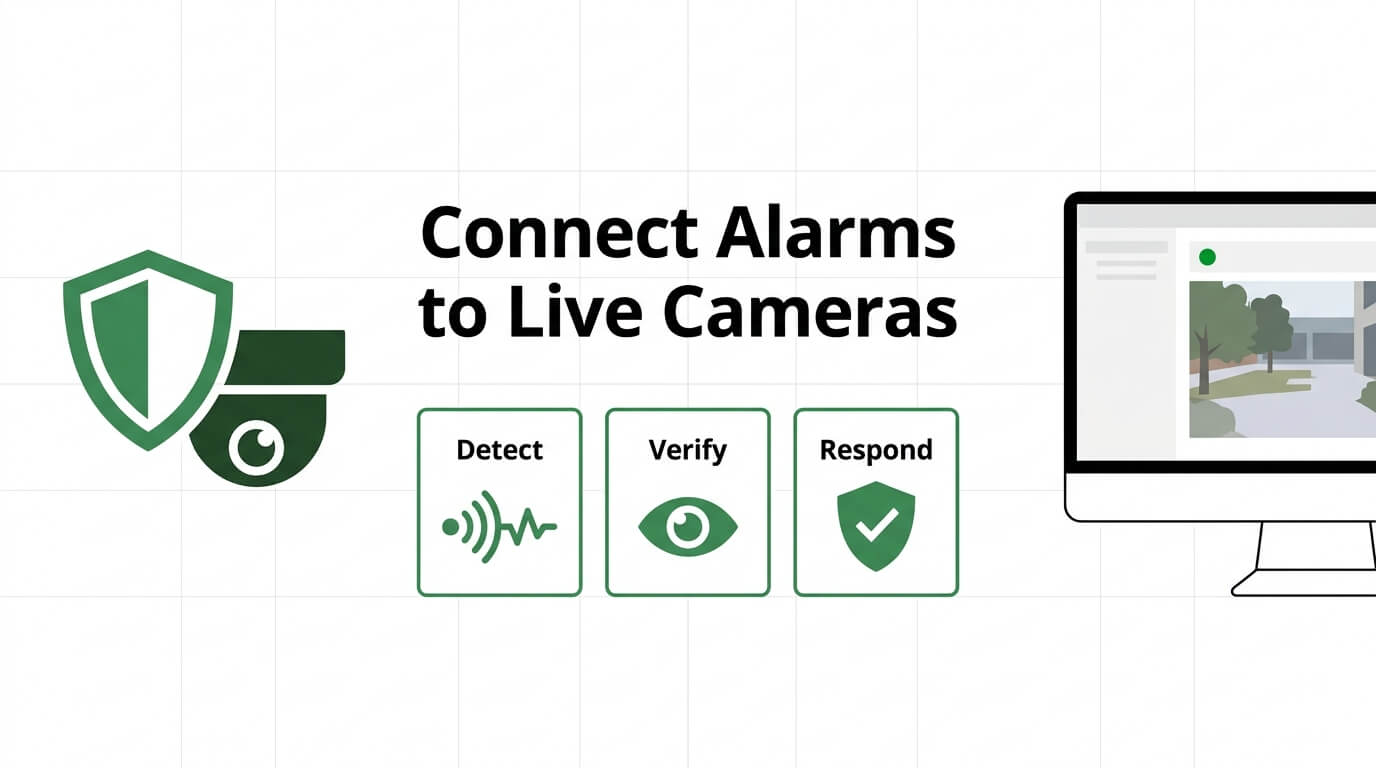
A door sensor or glass break alarm adds protection by triggering an immediate audible or monitored alert the moment unauthorized entry is attempted. Door sensors detect frame separation, while glass break detectors respond to the acoustic frequency of shattering glass. Together, they cover two distinct attack methods: forcing the door open and breaking through the panel. This electronic layer complements mechanical measures by ensuring that any breach attempt generates an alert before an intruder fully enters.
How Does Reinforced or Tempered Glass Reduce Break-In Risk?
Reinforced or tempered glass reduces break-in risk by resisting the impact force needed to shatter a standard pane quickly. Under 16 CFR Part 1201, Category II sliding glass doors are impact-tested to a 400 ft-lb equivalent, compared to 150 ft-lb for standard Category I glazing. Security film applied over existing glass adds further resistance; a 7mm anti-shatter film meets minimum U.S. government criteria for effective protection against forced breach. Glass that resists shattering removes the speed advantage burglars rely on when targeting patio doors.
How Does a Door Frame Security Strike Plate Help?
A door frame security strike plate helps by reinforcing the point where the locking bolt or pin engages the door frame, the most common failure point during forced entry. Standard factory strike plates use short screws that can split the frame with a single kick. A heavy-duty reinforced strike plate uses longer screws anchored into wall studs, distributing force across a much wider area. Periodically inspecting the strike plate, track, and locking hardware for damage or wear ensures this reinforcement remains effective over time.
What Locks Work Best for Sliding Glass Doors?
The best locks for sliding glass doors combine a keyed mechanism with anti-lift hardware to block both horizontal and vertical forced entry. The H3 sections below cover four lock types: loop locks, keyed locks, hook-bolt locks, and mortise locks.

How Does a Patio Door Loop Lock Work?
A patio door loop lock works by threading a hardened steel loop through both the sliding panel and the fixed frame, physically blocking the door from opening even if the primary latch fails. Because the loop anchors both panels together, it resists horizontal prying that standard factory latches cannot withstand. This makes loop locks one of the most accessible secondary options available at any hardware store.
How Does a Keyed Sliding Door Lock Differ From a Standard Latch?
A keyed sliding door lock differs from a standard latch by requiring a physical key to disengage, preventing simple manipulation from outside the door. Standard latches can often be defeated by jiggling or lifting the panel. According to the King County Sheriff’s Office, anti-lift pins that extend through both the sliding and fixed portions of the door further reinforce a keyed lock against vertical removal. A dowel installed in the lower track adds a second layer, preventing horizontal movement if the key lock is bypassed.
How Does a Hook-Bolt Lock Prevent Forced Entry?
A hook-bolt lock prevents forced entry by driving a curved steel bolt into a reinforced strike, resisting the kick-in and pry force that straight deadbolts are more vulnerable to. The National Crime Prevention Council recommends securing sliding doors with a locking pin type lock or an auxiliary locking device that prevents the door from being lifted off its track. According to ASTM International’s F1233-21 standard, no single glazing or locking system guarantees absolute prevention of forced entry; hook-bolt locks are most effective as part of a layered security approach.
How Does a Mortise Lock Improve Sliding Patio Door Security?
A mortise lock improves sliding patio door security by embedding the entire lock mechanism inside the door frame, rather than surface-mounting it. This recessed design distributes force across a larger area of the frame, making it far harder to shear or pry off under impact. Paired with anti-lift hardware, a mortise lock addresses both the horizontal and vertical vulnerabilities unique to sliding panel doors. For maximum protection, a mortise lock combined with a track bar or pin creates the layered defense that security professionals consistently recommend.
How Do Window and Door Security Films Protect Sliding Glass Doors?
Window and door security films protect sliding glass doors by holding shattered glass in place after impact, slowing forced entry and reducing injury risk. The sections below cover how film thickness affects performance, glazing standards that apply, and permit requirements for installation.
How Does Security Film Thickness Affect Protection Level?
Security film thickness directly determines how much force the glass assembly can withstand. According to a U.S. Department of Homeland Security Shatter-Resistant Window Film Market Survey Report, film thickness ranges from 2 to 25 mm, and government criteria for critical infrastructure specify that a 7 mm anti-shatter film, or a specially manufactured 4 mm film, represents the minimum thickness required for effective blast load response. For residential sliding glass door applications, thicker multi-ply laminates provide meaningfully stronger fragment retention than thinner single-ply options. Selecting the right thickness for your threat level is the most consequential decision in any film installation.
Does Security Film Meet Building Code Standards for Sliding Glass Doors?
Security film meets building code standards when installed on glazing that already satisfies mandatory impact ratings. The U.S. Department of Energy and Pacific Northwest National Laboratory note that impact-resistant products must be rated and labeled under ASTM E 1996, ASTM E 1886, or AAMA 506, and that building codes require impact-resistant glass, shutters, or panels in Windborne Debris Regions. Film applied over non-rated glass does not substitute for compliant glazing but does add a supplemental layer of fragment containment.
Do You Need a Permit to Install Security Film on a Sliding Glass Door?
Permit requirements for security film installation vary by jurisdiction. According to the City of Fort Worth Residential Permitting guidelines, permits are required for work that changes or repairs windows and doors, including the replacement or addition of exterior door coverings such as burglar bars. Homeowners should verify local permit requirements before installing security film, particularly when the work involves structural modifications to the door frame or track system. Skipping this step can create complications during a home sale or insurance claim.
What Smart Security Devices Can You Add to a Sliding Glass Door?
Smart security devices you can add to a sliding glass door include door sensors, doorbell cameras, and outdoor security cameras. Each layer below covers how these devices detect activity, extend camera coverage to patio areas, and actively deter break-in attempts.
How Do Smart Door Sensors Monitor Sliding Door Activity?
Smart door sensors monitor sliding door activity by detecting the separation between a magnet mounted on the door panel and a contact mounted on the frame. When the door opens, the circuit breaks and the sensor triggers an alert to your smartphone or monitoring system in real time.
Most sensors also log open and close events with timestamps, giving homeowners a complete activity record. Some models include tilt or vibration detection, which catches attempts to force or lift the door before it fully opens. For a sliding glass door, this early-warning capability is especially valuable because the native latch offers limited resistance.
How Does a Smart Doorbell Camera Cover a Patio Sliding Door?
A smart doorbell camera covers a patio sliding door when it is positioned at the rear entry point rather than exclusively at the front door. Many homeowners mount a second unit at the patio to capture wide-angle footage of the door, surrounding deck, and yard approach.
Doorbell cameras with two-way audio allow occupants to speak directly to anyone approaching the patio, adding a strong deterrent element beyond passive recording. Motion-triggered alerts notify the homeowner the moment activity is detected, so a response can happen before a breach occurs.
How Do Outdoor Security Cameras Deter Break-Ins at Sliding Doors?
Outdoor security cameras deter break-ins at sliding doors by making surveillance visible and by recording any approach. Visible cameras signal to a potential intruder that the property is monitored, which elevates perceived risk and discourages opportunistic attempts.
According to the U.S. Federal Trade Commission’s guidance on securing home security cameras, buyers should select cameras that encrypt account information, livestreams, and archived footage to prevent unauthorized access to the footage itself. Encryption matters: a camera that can be hacked provides false security. Positioning cameras to cover overlapping fields of view eliminates blind spots around patio doors, and models with night vision extend deterrence through overnight hours when sliding door intrusions are most likely.
How Does Outdoor Lighting Help Secure a Sliding Glass Door?
Outdoor lighting helps secure a sliding glass door by eliminating the cover of darkness that burglars rely on. The two key strategies below cover motion-activated lights and broader landscape lighting choices.

How Do Motion-Activated Lights Deter Intruders at Patio Doors?
Motion-activated lights deter intruders at patio doors by triggering a sudden burst of illumination the moment movement is detected, eliminating the element of surprise burglars depend on. A published Crime Science study found that combining window locks, deadlocks, and external sensor lights raises the Security Protection Factor to 34, compared to just 13 without lighting. Sensor lights are one of the most cost-effective deterrents available, and placing them directly above or beside the patio door maximizes their impact on the highest-risk entry point.
How Do Landscape and Exterior Lighting Choices Reduce Vulnerabilities?
Landscape and exterior lighting choices reduce vulnerabilities by ensuring consistent, even illumination around the patio door area. According to Crime Prevention Through Environmental Design guidance from the City of Covington, Washington, medium-level lighting distributed evenly is most effective; low lighting creates exploitable shadows, while excessively bright lighting can cause partial blinding and actually reduce visibility. Aim for balanced coverage that eliminates dark corners without creating glare that obscures your view of the space.
What Landscaping Changes Improve Patio Door Security?
Landscaping changes that improve patio door security include trimming shrubs, pruning tree branches, removing concealment opportunities, and using thorny plantings near the door. These adjustments reduce hiding spots and maintain sightlines around the patio area.
How Do You Use Shrubs and Trees to Reduce Hiding Spots Near Patio Doors?
Shrubs and trees reduce hiding spots near patio doors when kept trimmed to deny concealment to intruders. According to the Prince William County Police Department’s CPTED guidelines, shrubs should be trimmed to 3 feet and lower tree branches pruned up to 7 feet to maintain clear visibility around windows, doors, and walkways.
Dense, overgrown vegetation directly adjacent to a sliding glass door is one of the most overlooked security vulnerabilities homeowners create. Keeping plantings low and open eliminates the cover that makes opportunistic entry attempts possible.
Can Thorny Plants or Natural Barriers Deter Intruders at Patio Doors?
Yes, thorny plants can deter intruders at patio doors by creating a painful physical barrier that discourages close approach. Species such as hawthorn, pyracantha, and roses planted beneath or beside the door frame make undetected access significantly more difficult.
Natural barriers work best as a secondary layer alongside mechanical security measures, not as a standalone solution. Combining thorny plantings with trimmed sightlines creates both a physical and a psychological deterrent.
With landscaping optimized for visibility and deterrence, consistent door hardware maintenance keeps all security layers working together.
How Do You Maintain Sliding Glass Door Security Over Time?
Maintaining sliding glass door security over time requires periodic inspection of locks and hardware, plus consistent track cleaning to prevent mechanical failures that create vulnerabilities.
How Often Should You Inspect and Replace Sliding Door Locks?
Sliding door locks should be inspected periodically for damage, wear, and excessive movement in the door itself. The Lago Vista Police Department recommends checking the door, track, rollers, and locking hardware regularly as part of a home security routine. Look for signs such as a latch that no longer catches firmly, visible corrosion on hardware, or a door that shifts noticeably when tested. Replace any component that shows these signs immediately rather than waiting for a complete failure. Factory-installed hardware that is functioning properly can remain in place, but locks that feel loose or fail to engage fully compromise the entire security layer the hardware was meant to provide.
What Sliding Door Track Maintenance Prevents Security Failures?
Track maintenance prevents security failures by keeping rollers moving smoothly and ensuring the door sits correctly in its frame. Debris buildup in the lower track can cause the door to ride high, creating small gaps that weaken anti-lift resistance. Clean the track regularly with a stiff brush, then wipe it dry. After cleaning, check that any upper-track screws installed for lift prevention still protrude just enough to clear the frame during movement, adjusting them if the door has shifted. A door that drags, sticks, or rattles is not just inconvenient; it signals mechanical wear that a burglar can exploit with minimal effort.
How Can Professional Video Monitoring Strengthen Sliding Glass Door Security?
Professional video monitoring strengthens sliding glass door security by enabling real-time threat detection, automated alerts, and immediate response before a break-in completes. The sections below cover AI-powered live monitoring capabilities and key takeaways for securing your patio door.
Can AI-Powered Live Video Monitoring Catch Patio Door Threats in Real Time?
Yes, AI-powered live video monitoring can catch patio door threats in real time. According to research published in IEEE Consumer Electronics Magazine, the threat detection model makes real-time inferences, and if an object meets the confidence threshold for a threat, the GUI interface is notified and the sound system triggers an alarm. This means suspicious activity at a sliding glass door triggers an alert within seconds, not minutes.
Pioneer Security’s AI-powered system uses Nvidia GPU-driven PoE hubs and 4K cameras, with US-based live video guards who can monitor patio entry points and intervene in real time. Cameras should also encrypt livestreams and archived footage, per U.S. Federal Trade Commission guidance, so monitoring data stays protected from unauthorized access. In practice, AI monitoring is one of the most underutilized layers of patio door security, yet it directly addresses the gap that physical locks alone cannot close.
What Are the Key Takeaways About How to Secure a Sliding Glass Patio Door?
The key takeaways about how to secure a sliding glass patio door are that no single measure is sufficient; layered protection delivers the strongest results. The most actionable conclusions from this article are:
- Install a secondary lock such as a pin lock, keyed lock, or hook-bolt lock alongside the factory latch.
- Place a track blocker (wooden dowel, charlie bar, or security bar) to prevent both horizontal sliding and vertical lifting.
- Add upper-track screws to eliminate the lift-off vulnerability common in older doors.
- Apply security film to delay forced glass entry and keep shards contained.
- Use motion-activated exterior lighting and maintain clear sightlines through trimmed landscaping.
- Add a door sensor or glass-break alarm to detect tampering the moment it occurs.
- Back all physical measures with professional AI-powered video monitoring for real-time intervention.
Pioneer Security offers free security evaluations to help homeowners and businesses identify which combination of physical and monitored solutions fits their specific patio door exposure.