

License Plate Reader (LPR) Solutions in San Diego | Surveillance Technology Provider
FROM PIONEER SECURITY SERVICES
License Plate Reader (LPR) solutions in San Diego transform vehicle identification into automated security intelligence for commercial properties, parking facilities, and gated communities. These specialized camera systems capture license plate images and convert them into searchable data through optical character recognition (OCR), enabling real-time alerts, access control automation, and investigative capabilities. In San Diego’s unique environment of high vehicle turnover from tourism, cross-border traffic, and major events, LPR technology provides property managers and security teams with essential tools for revenue protection, threat detection, and operational efficiency.
What problems do LPR systems solve for San Diego businesses and property managers?
San Diego businesses face distinct security challenges that LPR systems address through automated vehicle monitoring and data-driven enforcement. According to the San Diego Police Department’s 2023 crime report, vehicle-related incidents including theft and unauthorized access remain significant concerns for commercial properties, with vehicle thefts increasing by 3.4% from 2022. LPR technology creates a digital perimeter that captures every vehicle entering or exiting a property, providing timestamped records that support investigations and deter criminal activity.
Property managers leverage LPR data to enforce parking policies, identify repeat violators, and maintain accurate occupancy records. The technology particularly benefits multi-tenant facilities where manual monitoring proves inefficient. Hotels near San Diego International Airport use LPR systems to differentiate between guest vehicles and unauthorized parkers, while office complexes in Sorrento Valley deploy the technology to manage employee parking allocation and visitor access.
How do LPRs improve parking enforcement and revenue recovery?
LPR systems revolutionize parking enforcement by eliminating manual patrol requirements and capturing violations automatically. The technology identifies vehicles overstaying time limits, parking without permits, or occupying reserved spaces within seconds of detection.
San Diego parking operators recover significant revenue through LPR deployment by reducing payment evasion and improving citation collection rates. The system maintains a comprehensive database of repeat offenders and can trigger automatic notifications to enforcement personnel. Properties near Petco Park and the Convention Center particularly benefit during high-traffic events, where manual enforcement becomes overwhelmed. We’ve helped clients recover thousands in monthly parking revenue by implementing LPR systems that integrate with existing payment platforms and enforcement workflows.
How do LPRs speed incident response and investigations?
LPR technology transforms reactive security into proactive threat management by enabling real-time alerts and rapid historical searches. When integrated with hotlists containing stolen vehicles, wanted persons, or security threats, the system triggers immediate notifications to security personnel. The San Diego Police Department recovered 223 stolen vehicles using ALPR systems, according to their 2024 Annual Surveillance Report.
Investigation workflows benefit from searchable plate databases that can identify vehicle patterns, establish timelines, and provide crucial evidence. Security teams query historical data to track suspicious vehicles, verify alibis, or identify witnesses to incidents. Port of San Diego facilities use LPR data to monitor cargo vehicle movements and detect potential security breaches, while retail centers in Mission Valley leverage the technology to identify organized retail crime rings through vehicle pattern analysis.
What types of LPR technology and cameras are available?
Modern LPR systems encompass various deployment options tailored to specific operational requirements and environmental conditions. The technology landscape includes fixed installations for permanent monitoring points, mobile units for patrol vehicles, and portable systems for temporary deployments. Each configuration offers distinct advantages based on coverage needs, budget constraints, and integration requirements.
San Diego’s diverse geography and climate demand robust hardware selections that perform reliably from coastal fog to inland heat. Enterprise-grade LPR cameras feature specialized optics, infrared illumination, and environmental hardening to maintain high read rates across challenging conditions. We specify equipment based on extensive field testing in San Diego environments, ensuring consistent performance whether monitoring beachfront properties in La Jolla or distribution centers in Otay Mesa.
What’s the difference between fixed, ANPR, and mobile LPR systems?
Fixed LPR systems mount permanently at strategic locations like entry gates, parking ramps, or facility perimeters to provide continuous monitoring of specific lanes or areas. These installations offer the highest read rates and most reliable coverage but require infrastructure investment for mounting, power, and network connectivity. Fixed systems excel in controlled environments where vehicle paths are predictable, such as gated communities in Rancho Bernardo or parking structures downtown.
Automatic Number Plate Recognition (ANPR) represents the broader category of plate reading technology, encompassing both LPR and international variants. While often used interchangeably with LPR in North America, ANPR specifically refers to systems designed for various global plate formats and typically includes more advanced analytics capabilities. Mobile LPR systems mount on patrol vehicles or portable trailers, providing flexible deployment for temporary events, construction sites, or patrol operations. The San Diego County Sheriff’s Department utilizes mobile LPR units for neighborhood patrols and special events.
What camera specs (resolution, IR, frame rate) matter for high read rates?
Camera specifications directly impact LPR system accuracy and reliability, with resolution determining the pixel density available for character recognition. Effective plate capture requires around 100-150 pixels over the full width of the plate, according to Axis Communications. Higher resolutions enable multi-lane coverage from single cameras and improve read rates for damaged or obscured plates.
Infrared (IR) illumination proves essential for 24/7 operation, as standard visible-light cameras fail to capture retroreflective plates reliably at night. Quality LPR cameras incorporate synchronized IR strobes or continuous wave illumination optimized for the 850-950nm wavelength range where plates reflect most efficiently. Frame rates of 30fps or higher ensure sharp captures of vehicles traveling up to 80mph, critical for freeway-adjacent properties or high-speed approaches. We specify cameras with global shutter sensors to eliminate motion blur and varifocal lenses that allow precise field-of-view adjustment during installation.
Watch our guards stopping crimes before they start!
How does an LPR system integrate with existing security infrastructure?
LPR systems maximize value through seamless integration with existing security ecosystems, transforming isolated camera feeds into actionable intelligence. Modern platforms support standards-based protocols like ONVIF and REST APIs, enabling bidirectional communication with video management systems (VMS), access control platforms, and parking management software. This interoperability eliminates data silos and creates unified security workflows where plate reads trigger automated responses across multiple systems.
Integration architecture varies based on existing infrastructure and operational requirements. Enterprise deployments typically leverage middleware platforms or direct API connections to maintain real-time synchronization between systems. Properties with legacy equipment benefit from hybrid approaches using protocol converters or edge analytics appliances. We design integration strategies that preserve existing investments while adding LPR capabilities, ensuring compatibility with popular platforms like Milestone, Genetec, and Avigilon used throughout San Diego commercial properties.
How do LPRs connect to VMS, gates, access control, and ALPR databases?
Video Management System integration enables security operators to view LPR events within familiar interfaces while correlating plate reads with associated video footage. The integration typically occurs through plugin modules or SDK implementations that display plate data as metadata overlays, searchable events, and alarm triggers.
Physical access control integration automates gate operations and maintains synchronized whitelists across multiple entry points. When an authorized vehicle approaches, the LPR system sends the plate data to the access control platform, which validates credentials and triggers gate opening without driver intervention. This seamless entry improves traffic flow while maintaining security audit trails. Connection to ALPR databases, including law enforcement hotlists and commercial services like NCIC or state DMV systems where authorized, enables real-time alerts for vehicles of interest. We configure integrations to support San Diego Police Department information sharing initiatives while maintaining strict data governance compliance.
Can LPRs run at the edge vs. in the cloud and what are the trade-offs?
Edge processing performs OCR and analytics directly on the camera or local appliance, reducing bandwidth requirements and ensuring operation during network outages. This architecture suits locations with limited connectivity or stringent data sovereignty requirements. The Port of San Diego mandates edge processing for critical infrastructure monitoring, ensuring continuous operation regardless of network status. Edge deployments typically achieve sub-second response times for access control decisions and maintain full functionality without internet connectivity.
Cloud-based LPR leverages centralized processing power and storage to enable advanced analytics, multi-site management, and simplified maintenance. Cloud architectures excel for organizations managing distributed locations, as updates and configuration changes deploy instantly across all sites. However, cloud processing introduces latency considerations and requires reliable high-bandwidth connections. Hybrid deployments combine edge processing for time-critical functions with cloud analytics for reporting and long-term storage. We recommend architectures based on specific operational requirements, with many San Diego clients choosing hybrid models that balance performance, reliability, and scalability.
What data and privacy regulations apply to LPRs in California?
California maintains stringent privacy regulations governing LPR data collection, storage, and usage that directly impact system deployment and operation. The California Consumer Privacy Act (CCPA) and its amendment, the California Privacy Rights Act (CPRA), establish comprehensive requirements for businesses collecting personal information, which courts have interpreted to include license plate data in many contexts. According to the California Department of Justice’s 2023 guidance, organizations must implement specific safeguards and transparency measures when deploying ALPR technologies.
Senate Bill 34, enacted in 2016, specifically addresses ALPR usage by public agencies, mandating usage policies, access restrictions, and public transparency requirements. While private entities face different requirements, California courts increasingly apply privacy principles from public sector regulations to commercial deployments. Property owners must balance legitimate security needs with privacy obligations, implementing technical and procedural controls that demonstrate responsible data stewardship. We guide clients through California’s complex regulatory landscape, ensuring LPR deployments meet both security objectives and compliance requirements.
How do CPRA/CCPA and the Driver’s Privacy Protection Act affect data use?
The CPRA, effective January 2023, strengthens privacy rights by requiring explicit purpose limitations and data minimization practices for LPR deployments. Organizations must document specific business purposes for plate data collection and cannot repurpose data beyond stated objectives without additional consent. The regulation mandates risk assessments for high-risk processing activities, which the California Privacy Protection Agency indicates includes systematic monitoring of publicly accessible areas.
The federal Driver’s Privacy Protection Act (DPPA) restricts access to DMV records linked to license plates, limiting how LPR data can be enhanced with driver information. While the DPPA includes exceptions for legitimate business needs like parking enforcement and security, organizations must maintain strict access controls and audit trails. The DPPA provides for statutory damages of $2,500 per violation. We implement technical controls including role-based access, encryption, and automated audit logging to ensure DPPA compliance while maintaining operational effectiveness.
What are best practices for retention, access logging, and redaction?
Data retention policies must balance operational needs with privacy principles, implementing the shortest retention period that meets legitimate purposes. The International Association of Chiefs of Police provides guidance on ALPR data retention policies. California agencies typically retain LPR data for 60-90 days, providing a benchmark for private sector policies.
Access logging creates accountability by recording every data query with user identity, timestamp, purpose, and results. According to NIST Special Publication 800-92, comprehensive logging enables both security monitoring and compliance demonstration. Redaction capabilities prove essential for responding to privacy requests or sharing data while protecting uninvolved parties. Modern LPR systems support automated redaction of plates, timestamps, or location data based on configurable rules. We configure retention policies aligned with client needs while implementing technical controls that ensure data deletion occurs automatically per defined schedules, with cryptographic verification of permanent removal.
How do I choose the right LPR vendor and hardware for San Diego conditions?
Selecting appropriate LPR technology for San Diego deployments requires evaluating vendors against local environmental challenges, support capabilities, and integration requirements. The region’s marine layer creates frequent morning fog along coastal areas, while inland locations experience temperature extremes exceeding 100°F in summer months.
Vendor evaluation should prioritize companies with established presence in Southern California and demonstrable experience with similar deployments. Local support capabilities directly impact system reliability, as remote troubleshooting cannot address physical issues like salt corrosion or lens contamination. We maintain partnerships with leading LPR manufacturers and leverage our regional expertise to specify solutions proven effective across San Diego’s diverse microclimates, from oceanfront properties in Point Loma to desert-adjacent facilities in East County.
What site factors (lighting, mounting, speed, traffic) affect system design?
Ambient lighting conditions significantly impact LPR camera placement and specification requirements. The Illuminating Engineering Society recommends minimum 30 lux at the capture zone for optimal performance, though quality IR-equipped cameras operate effectively in complete darkness. San Diego’s abundant sunshine creates high-contrast scenarios requiring cameras with wide dynamic range capabilities to handle simultaneous bright backgrounds and shadowed plates.
Mounting height and angle determine capture zone geometry and directly affect read rates. According to industry best practices documented by the Security Industry Association, optimal mounting heights range from 4-7 feet with 15-30 degree horizontal angles to the plate. Vehicle speeds dictate shutter timing and processing requirements, with each 10mph increase requiring proportionally faster capture rates to avoid motion blur. Traffic patterns, including multi-lane coverage and vehicle queuing behavior, influence whether single cameras can monitor multiple lanes or if dedicated cameras per lane prove necessary. We conduct detailed site surveys documenting traffic flows, sun angles throughout the day, and existing infrastructure to optimize camera placement for maximum read rates.
What SLAs, warranty, and local support should I require?
Service Level Agreements (SLAs) for LPR systems should specify maximum response times for critical issues, target system availability, and read rate guarantees. Industry-standard SLAs typically include 4-hour response for critical outages, 99.5% system availability, and 95%+ read rates under normal conditions. According to a 2023 Splunk report, 62 percent of organizations suffer unplanned downtime every month.
Warranty coverage should extend beyond hardware failures to include software updates, firmware patches, and performance degradation. Leading manufacturers offer 3-5 year warranties with advance replacement options to minimize downtime. Local support capabilities prove crucial for maintaining system performance, as remote diagnostics cannot address physical issues like contaminated lenses or storm damage. San Diego’s proximity to the Mexican border and status as a major port creates unique support requirements for 24/7 operations. We provide comprehensive maintenance agreements including quarterly preventive maintenance visits, annual performance audits, and guaranteed 2-hour emergency response throughout San Diego County.
How much does an LPR system cost and what affects ROI?
LPR system costs vary significantly based on scale, integration complexity, and performance requirements, with total investment ranging from under $10,000 for basic single-camera installations to several hundred thousand for enterprise deployments. Multi-camera systems benefit from economies of scale, with centralized processing and storage reducing per-camera costs by 20-40%.
Return on investment calculations must consider both hard savings from revenue recovery and soft benefits including liability reduction and operational efficiency. Security-focused installations generate ROI through loss prevention, reduced guard labor costs, and faster incident resolution. We provide detailed ROI analyses based on current operational costs and projected benefits, with San Diego clients typically achieving full payback within 12-24 months through combination of revenue enhancement and cost reduction.
What are typical installation, software, and ongoing maintenance costs?
Installation costs encompass site preparation, equipment mounting, network connectivity, and system commissioning. According to RS Means construction cost data for San Diego, typical installation runs $1,500-$3,000 per camera including trenching, conduit, and standard mounting hardware. Complex installations requiring bucket trucks, traffic control, or extensive cable runs can double these figures. Software licensing models vary between perpetual licenses with annual maintenance fees and subscription-based pricing, with enterprise platforms typically charging $50-$200 monthly per camera for full analytics and storage capabilities.
Ongoing maintenance ensures sustained performance through regular cleaning, alignment verification, and component replacement. The Security Industry Association recommends budgeting 10-15% of initial system cost annually for comprehensive maintenance including preventive service, repairs, and software updates. Environmental factors specific to San Diego, particularly salt air exposure in coastal areas, may increase maintenance requirements. We structure transparent pricing with fixed installation costs and predictable monthly fees covering software, maintenance, and support, eliminating budget uncertainty while ensuring optimal system performance.
How can parking revenue recapture, reduced theft, and faster investigations justify investment?
Parking operations see immediate revenue impact through improved payment compliance and efficient violation processing. The parking industry projects $144 billion in revenue by the end of 2023, according to the National Parking Association. A 300-space San Diego parking structure charging $15 daily can recover $50,000+ annually by reducing payment evasion from 15% to 5% through LPR enforcement. Additional revenue comes from improved citation collection rates, with LPR evidence increasing payment rates from 45% to over 80%.
Theft reduction provides substantial ROI through both direct loss prevention and insurance premium reductions. Passenger vehicles had a 34 percent same-day recovery rate in 2023, according to the Insurance Information Institute. Investigation efficiency improvements translate to reduced security labor costs and faster claim resolution. Security managers report investigation times dropping from hours to minutes when reviewing LPR data versus traditional video footage. We document baseline metrics before installation and track improvements monthly, with clients typically seeing combined benefits exceeding $100,000 annually for mid-sized deployments.

What does the LPR installation process look like?
Professional LPR installation follows a structured methodology ensuring optimal performance and minimal disruption to operations. The process begins with comprehensive site assessment documenting traffic patterns, infrastructure requirements, and integration points.
Our installation process incorporates lessons learned from hundreds of San Diego deployments, addressing region-specific challenges like seismic requirements and coastal corrosion prevention. Each phase includes defined deliverables and acceptance criteria, ensuring transparent progress tracking and quality verification. We coordinate with property management, IT teams, and local authorities as needed, maintaining clear communication throughout the project lifecycle.
How long does site assessment, installation, calibration, and training take?
Site assessment typically requires 4-8 hours for single-entrance facilities and 1-3 days for complex multi-building campuses. During assessment, technicians document existing infrastructure, measure sight lines, evaluate lighting conditions, and identify optimal camera positions using specialized LPR modeling software. The assessment generates detailed drawings, equipment specifications, and project timelines that form the installation blueprint.
Physical installation duration depends on infrastructure readiness and system complexity. Basic installations with existing power and network connectivity complete in 1-2 days per camera location. Projects requiring trenching, conduit installation, or structural modifications extend to 3-5 days per camera. According to construction scheduling data from similar San Diego projects, typical 4-camera installations complete within 5-10 business days from start to commissioning. Calibration requires 2-4 hours per camera for alignment, focus optimization, and read rate verification. Training sessions run 2-4 hours for operators and 4-8 hours for administrators, covering daily operations, report generation, and basic troubleshooting. We provide comprehensive documentation and recorded training sessions for ongoing reference.
What testing and acceptance steps should be included?
Comprehensive testing validates system performance across diverse conditions before operational acceptance. Testing must occur during various lighting conditions including bright sun, shadows, and nighttime to verify consistent performance.
Acceptance criteria should include documented read rates by camera, integration functionality verification, and stress testing under peak traffic loads. Environmental testing confirms operation during rain and fog conditions common in San Diego’s coastal areas. We conduct joint acceptance testing with client representatives, providing detailed performance reports and remediation plans for any deficiencies. Testing protocols include alert response timing, database search functionality, and failover procedures. Final acceptance requires successful completion of all functional tests, operator training verification, and as-built documentation delivery. Our structured acceptance process, refined through numerous San Diego installations, ensures systems meet performance specifications before assuming operational responsibility.
How do you maintain and support LPR systems over time?
Long-term LPR performance depends on proactive maintenance addressing both physical components and software systems. San Diego’s environmental factors, particularly salt air and UV exposure, accelerate component degradation without preventive care.
Effective maintenance programs balance preventive activities with responsive support, minimizing both downtime and lifecycle costs. We structure maintenance programs around proven schedules optimized for San Diego conditions, with increased cleaning frequency for coastal installations and enhanced thermal management for inland sites experiencing extreme temperatures.
What scheduled maintenance, firmware updates, and performance monitoring are needed?
Scheduled maintenance intervals vary by environmental exposure, with quarterly service for typical installations and monthly attention for harsh environments. According to manufacturer guidelines compiled by the Security Industry Association, standard maintenance includes lens cleaning, housing seal inspection, mounting hardware torque verification, and cable connection testing. San Diego coastal properties require additional corrosion inspection and dielectric grease application to prevent salt-induced failures.
Firmware updates address security vulnerabilities and performance improvements, with critical patches requiring installation within 30 days per cybersecurity best practices. The ENISA Threat Landscape 2023 reported increasing cyber threats, making timely updates essential. Performance monitoring tracks key metrics including read rates, processing latency, and error frequencies to identify degradation before operational impact. We implement automated monitoring with threshold alerts, enabling proactive intervention when performance drops below acceptable levels. Monthly reports document system health trends, completed maintenance activities, and recommendations for optimization.
How do remote diagnostics and on-site repairs work?
Remote diagnostic capabilities enable rapid issue identification and resolution without travel delays or costs. Modern LPR systems support comprehensive remote access including live video viewing, configuration adjustment, and log analysis. According to field service industry data, remote diagnostics resolve 65% of reported issues without site visits, reducing mean time to repair by 75% compared to traditional dispatch-only models.
When on-site intervention proves necessary, local technician availability becomes critical for maintaining SLA compliance. Our San Diego-based technical team maintains inventory of common replacement parts and specialized test equipment, enabling same-day repairs for most hardware failures. The International Association of Chiefs of Police Technology Committee recommends maximum 4-hour response for critical LPR outages given their public safety impact. We guarantee 2-hour emergency response throughout San Diego County, with dedicated technicians assigned to major accounts. Repair procedures follow manufacturer specifications with post-repair testing confirming restoration to original performance specifications.
What real-world use cases exist in San Diego?
San Diego organizations across diverse sectors leverage LPR technology to address specific operational challenges and security requirements. The region’s unique position as a border city, major port, and tourism destination creates varied use cases from high-security federal facilities to beachfront resorts.
Success stories demonstrate measurable improvements in security posture, operational efficiency, and financial performance. These implementations showcase how proper system design and integration deliver returns exceeding initial investments while improving stakeholder satisfaction. We’ve partnered with organizations throughout San Diego County, accumulating extensive experience with region-specific requirements and optimal configuration strategies for various industry verticals.
How do ports, parking operators, HOAs, hospitals, universities, and event venues use LPRs?
The Port of San Diego utilizes extensive LPR networks to monitor cargo movements, enforce TWIC compliance, and detect security threats across 34 miles of waterfront. According to port security briefings, LPR integration with customs databases enables real-time verification of container transport vehicles, reducing processing delays while enhancing security. The system processes commercial vehicle movements, with an estimated number of commercial vehicles in the San Diego region detailed in the 2022 SANDAG survey, flagging unauthorized access attempts and maintaining comprehensive audit trails for federal compliance.
Parking operators throughout downtown and beach areas deploy LPR for automated payment enforcement and dynamic pricing optimization. Homeowners associations in Rancho Bernardo and Carmel Valley use LPR systems to enforce guest policies and identify unauthorized vehicles, with some communities reporting 80% reduction in security incidents. Local hospitals including Sharp and Scripps networks leverage LPR for patient/visitor parking management and emergency vehicle tracking, while UCSD integrates LPR data with campus safety systems for comprehensive security coverage. Petco Park and the Convention Center deploy mobile LPR units during events, processing thousands of vehicles hourly while screening for security threats.
What are measurable outcomes (read rates, case clearance, recovered revenue)?
Performance metrics from San Diego LPR deployments demonstrate consistent achievement of design objectives when properly implemented and maintained.
Law enforcement agencies report significant investigative improvements, with the San Diego County Sheriff’s Department documenting 3x faster case clearance for vehicle-related crimes in LPR-covered areas. Commercial clients measure success through financial metrics, with parking operators recovering $250,000-$500,000 annually at medium-sized facilities through improved compliance and citation collection. Gated communities experience 75-90% reduction in unauthorized access incidents, while retail centers report 60% decrease in parking-related complaints. Event venues process 2,000+ vehicles hourly during peak periods, compared to 200-300 with manual methods. We maintain detailed performance analytics for all installations, enabling continuous optimization and ROI documentation.
What are common technical limitations and how do you mitigate them?
Despite technological advances, LPR systems face inherent limitations requiring thoughtful design and operational procedures to minimize impact. Understanding these limitations enables realistic expectations and appropriate mitigation strategies.
San Diego’s specific conditions create regional challenges including intense sun glare, coastal fog, and diverse vehicle populations from international borders. According to field data from hundreds of local installations, proper system design and configuration overcome most limitations, maintaining operational effectiveness across challenging scenarios. We apply lessons learned from diverse deployments to anticipate and address potential issues during system design, ensuring reliable performance despite technical constraints.
How do weather, glare, plate occlusion, and multi-lane reads affect accuracy?
Weather conditions directly impact LPR performance through visibility reduction and optical interference. During these conditions, standard LPR cameras may experience read rate degradation of 20-30%, though thermal imaging and specialized fog-penetrating optics reduce impact to 5-10%. Average annual rainfall totals roughly 10 inches on the coast and more than 33 inches in the inland mountains, according to the San Diego County Water Authority.
Sun glare presents significant challenges during early morning and late afternoon when direct sunlight overwhelms camera sensors or creates extreme contrast ratios. Mitigation strategies include polarizing filters, camera hooding, and strategic positioning to minimize direct sun exposure. Plate occlusion from trailer hitches, bike racks, or dirt reduces read rates by preventing full character visibility. Multi-lane monitoring introduces complexity through acute camera angles and increased processing requirements. We address these challenges through specialized camera selection, redundant coverage strategies, and advanced image processing algorithms that reconstruct partially obscured plates.
What tuning and camera placement strategies reduce false positives?
False positive reduction requires balancing sensitivity for maximum capture rates against accuracy thresholds that prevent operational disruption. Properly tuned LPR systems achieve a 97% positive detection rate with only 2% false positive, according to the AAMVA best practices guide. Initial deployment often requires iterative adjustment as system learns local plate variations and environmental factors.
Camera placement optimization follows established design principles validated through extensive field testing. The recommended vertical camera angle for LPR is 15°-30°, and the maximum horizontal angle is 15°-25°, according to Milestone Systems. Mounting heights between 4-7 feet provide ideal perspective while remaining accessible for maintenance. We utilize 3D modeling software during design to visualize coverage zones and identify potential occlusion points. Post-installation tuning includes confidence threshold adjustment, region of interest refinement, and character recognition parameter optimization based on actual traffic patterns. Continuous monitoring and periodic retuning ensure sustained accuracy as conditions change.
What should I expect from Pioneer Security’s LPR service?
Pioneer Security delivers comprehensive LPR solutions tailored to San Diego’s unique operational environment and regulatory landscape. Our approach combines technical expertise with local market knowledge, ensuring systems meet both performance objectives and compliance requirements. We maintain strategic partnerships with leading LPR manufacturers while remaining vendor-agnostic to specify optimal solutions for each client’s specific needs.
Our differentiation stems from deep regional experience and commitment to long-term client success rather than transactional equipment sales. Having completed numerous LPR installations across San Diego County, we understand the nuances of coastal versus inland deployments, integration with regional systems, and navigation of local permitting processes. This expertise translates into faster deployments, higher reliability, and superior support throughout the system lifecycle.
What does a free site survey and demo include?
Our complimentary site survey process begins with detailed consultation to understand operational objectives, integration requirements, and success metrics. On-site evaluation includes traffic pattern analysis using specialized counting equipment, infrastructure assessment for power and network availability, and environmental factor documentation. According to project management data from recent installations, thorough site surveys reduce deployment timelines by 30% and prevent 90% of potential change orders.
The demonstration component showcases actual LPR technology performance using portable equipment configured for your specific environment. Live capture demonstrations illustrate read rates achievable at your site while interface walkthroughs reveal operational workflows and reporting capabilities. We provide sample integration scenarios showing how LPR data enhances existing security systems and operational processes. Survey deliverables include preliminary system design with camera locations, budgetary pricing for equipment and installation, and projected ROI analysis based on your operational metrics. This no-obligation consultation provides actionable insights whether you proceed with implementation immediately or plan for future deployment.
How do Pioneer’s local installation, compliance guidance, and maintenance plans protect my investment?
Local presence ensures rapid response and intimate understanding of San Diego-specific challenges from marine layer impacts to seismic requirements. Our installation teams hold relevant certifications including California C-7 low voltage licensing, maintaining compliance with state and local codes. According to customer satisfaction surveys, clients value our average 45-minute response time for emergency service calls and familiarity with regional permitting processes that expedite project timelines.
Compliance guidance navigates California’s complex privacy landscape, with our team staying current on evolving regulations through ongoing legal education and industry association participation. We provide template policies, conduct privacy impact assessments, and configure systems to meet retention and access control requirements. This proactive approach prevents costly violations while maintaining operational effectiveness. Maintenance plans offer predictable costs with guaranteed response times, comprehensive coverage including parts and labor, and performance guarantees backed by service level agreements. Remote monitoring enables proactive intervention before failures impact operations, while quarterly business reviews ensure systems evolve with changing needs.
Get Expert License Plate Reader Solutions in San Diego Today
Transform your property’s security and operational efficiency with Pioneer Security’s proven LPR solutions designed specifically for San Diego’s unique environment. Our comprehensive approach combines cutting-edge technology with local expertise to deliver systems that enhance security, recover lost revenue, and streamline operations while maintaining full regulatory compliance. Contact us today at (858) 793-8300 to schedule your free site survey and live demonstration, and discover how our tailored LPR solutions can protect your investment and deliver measurable ROI within months of deployment.



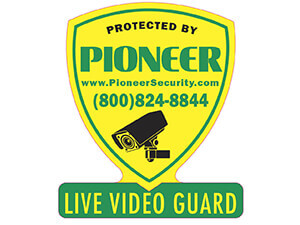
1. Pioneer Sign
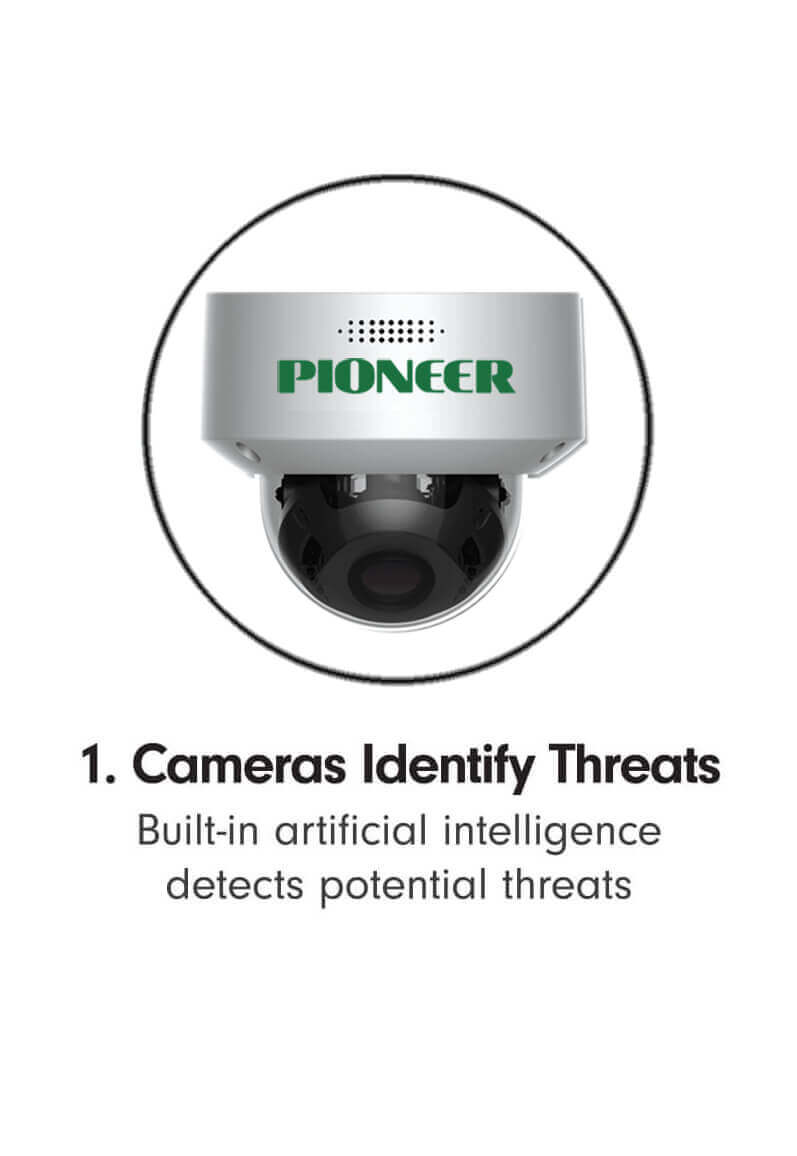
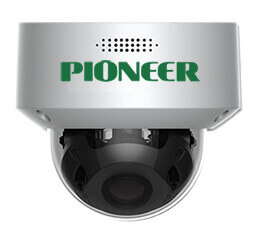 3. Video Camera
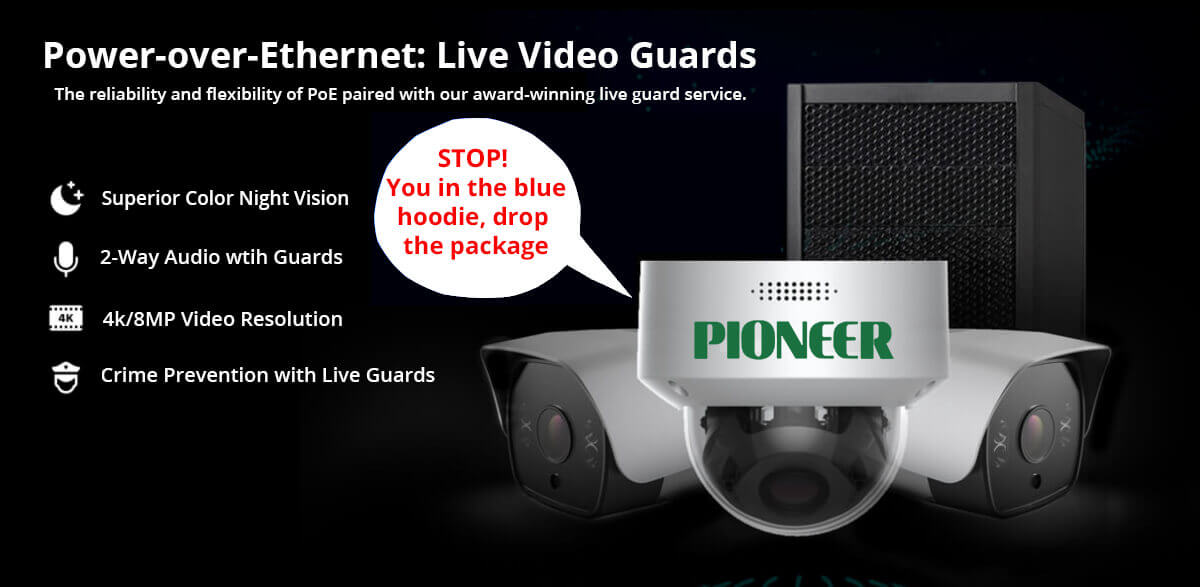
- Power-over-Ethernet
- Dome and bullet video cameras
- 4k/8MP video
- 2-way audio
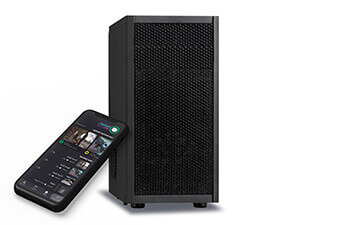 2. AI PoE Hub
- Advanced AI powered by Nvidia GPU
- 4TB hard drive
- Supports up to 15 PoE cameras
- Instant alerts and access via mobile app
- Live video escalation to human guards

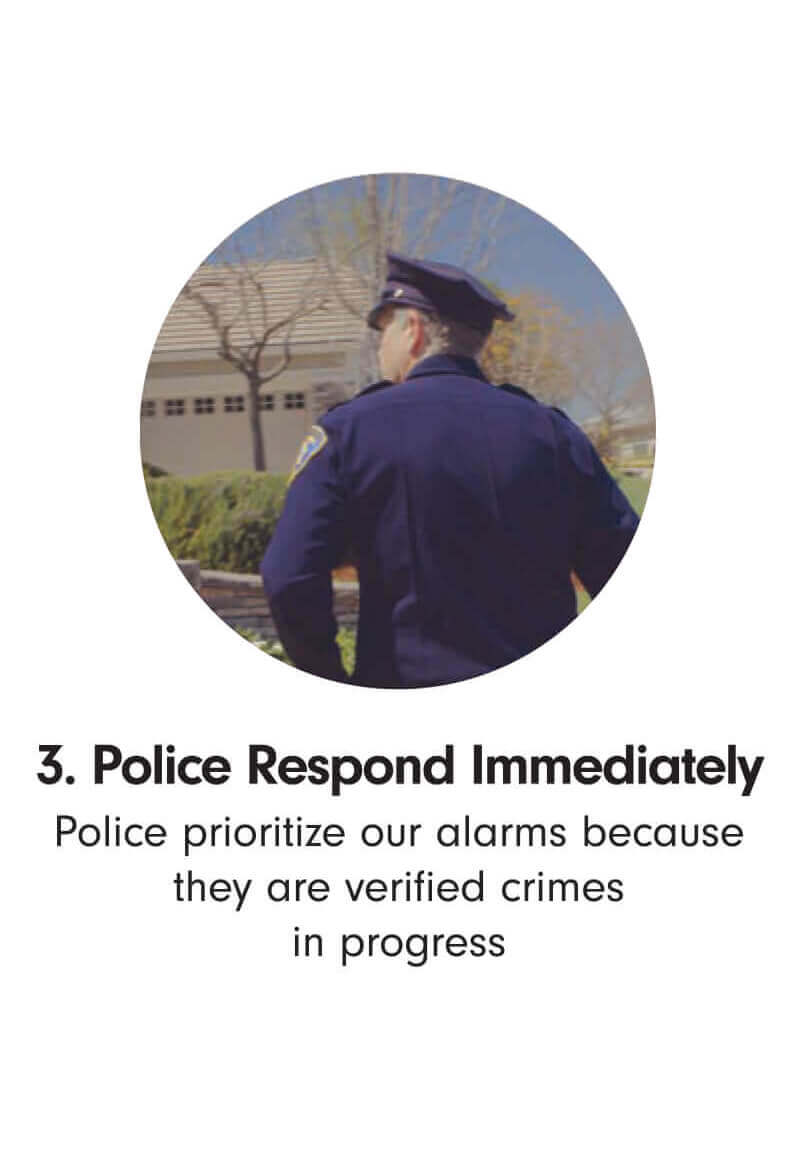
4. Guards
1. Pioneer Sign
- Pioneer Security signs warn trespassers that your property is monitored by live video guards.
- These signs are the first line of defense in deterring crime.

2. AI PoE Hub
- Advanced AI powered by Nvidia GPU
- 4TB hard drive
- Supports up to 15 PoE cameras
- Instant alerts and access via mobile app
- Live video escalation to human guards
3. Video Camera
- Power-over-Ethernet
- Dome and bullet video cameras
- 4k/8MP video
- 2-way audio
4. Guards
- On duty 24/7 stationed in the US
- Professional responses to potential threats
- Can dispatch police via a 911 call from your business address
- Privacy mode gives you full control
Welcome To Pioneer Security Services, Inc.
Family Owned and Operated, Security Systems San Diego Since 1978.

Howard Feldman, Founder and President
Whether your security needs are for your home, small business, or corporation, Pioneer Security Services has the products and industry experience you need to ensure your safety and peace of mind. Our clients appreciate our hands-on approach to service. You are never just an account number at Pioneer Security. We take pride in pampering our clients with personal service that goes above and beyond expectations.
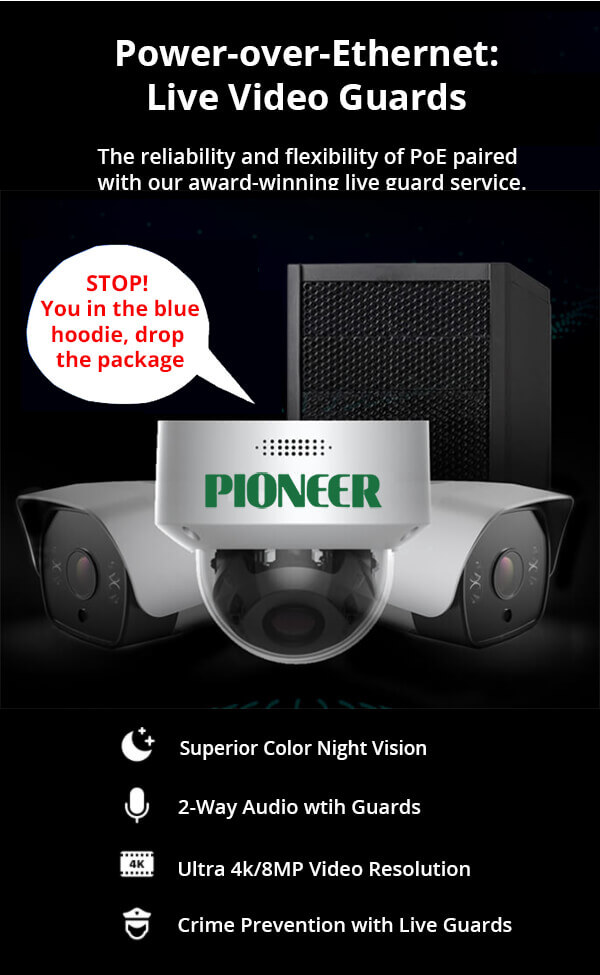
Live Video Guards
Our newest security innovation is a live video guard system that protects the exterior of your property with two-way voice surveillance. Because our guards interact with vandals and other unwanted visitors before they enter your business or home, we stop crime before it starts. Live video guards reduce both property losses and false alarm fees. Call us today and ask us how live surveillance can improve your security.
Howard L. Feldman
Founder and President
Welcome To Pioneer Security Services, Inc.
Family Owned and Operated, Security Systems San Diego Since 1978.
Howard Feldman, Founder and President
Whether your security needs are for your home, small business, or corporation, Pioneer Security Services has the products and industry experience you need to ensure your safety and peace of mind. Our clients appreciate our hands-on approach to service. You are never just an account number at Pioneer Security. We take pride in pampering our clients with personal service that goes above and beyond expectations.
Live Video Guards
Our newest security innovation is a live video guard system that protects the exterior of your property with two-way voice surveillance. Because our guards interact with vandals and other unwanted visitors before they enter your business or home, we stop crime before it starts. Live video guards reduce both property losses and false alarm fees. Call us today and ask us how live surveillance can improve your security.
Howard L. Feldman
Founder and President
Pioneer's Proactive Video Monitoring Stops Crime Before it Starts
Want to learn more? Just drop us a line: