
Medical Alert & Elder Security in San Diego | Safety Monitoring Provider
FROM PIONEER SECURITY SERVICES
"*" indicates required fields
Why does an older adult in San Diego need a medical alert system?
San Diego’s older adults face specific risks that medical alert systems address through immediate emergency notification and response coordination. According to the U.S. Census Bureau, adults over 65 comprise 15.9% of San Diego County’s population. Medical alert devices bridge the critical gap between emergency onset and professional help arrival, particularly for seniors living alone in sprawling neighborhoods from La Jolla to Chula Vista.
How do medical alerts prevent delayed emergency response?
Medical alert systems eliminate communication barriers that delay emergency response by establishing direct connections to monitoring centers within seconds of activation. When users press their pendant or experience automatic fall detection, trained operators immediately verify the emergency and dispatch San Diego Fire-Rescue or AMR ambulance services to the exact location.
How do local risks (wildfires, power outages, heat) affect emergency needs?
San Diego’s climate hazards create unique emergency scenarios where medical alert systems prove vital for senior safety. During the 2023 heat wave that saw temperatures exceed 100°F inland, San Diego County reported 333 heat-related prehospital calls during heat events. Medical alert devices with temperature sensors can trigger automatic wellness checks when indoor conditions become dangerous. Similarly, wildfire evacuations require GPS-enabled mobile units that maintain cellular connectivity even when landlines fail, ensuring seniors receive evacuation notices and can summon help if separated from caregivers during mandatory departures from areas like Rancho Bernardo or Scripps Ranch.
What features should I look for in a medical alert device?
Modern medical alert devices offer sophisticated features beyond basic push-button functionality, with fall detection, GPS tracking, and two-way communication forming the core capabilities San Diego users need. Device selection depends on lifestyle factors including mobility level, cognitive status, and whether protection is needed solely at home or throughout daily activities across the county. Pioneer Security evaluates each client’s specific needs during our free assessment to recommend devices that balance comprehensive protection with ease of use.
Why is fall detection important and how does it work?
Fall detection technology uses accelerometers and barometric sensors to distinguish between normal movement and sudden impacts indicating falls, automatically triggering alerts even if users cannot press buttons due to injury or unconsciousness. The National Council on Aging reports that one in four Americans over 65 falls annually, with many unable to call for help afterward. Modern fall detection algorithms analyze velocity changes, impact force, and orientation shifts while minimizing false alarms from activities like sitting quickly or dropping the device.
When should I choose GPS/mobile vs. home-based devices?
GPS-enabled mobile medical alerts suit active San Diego seniors who maintain independence through activities like walking Balboa Park trails, shopping at Seaport Village, or attending events throughout the county. These cellular-connected devices provide protection anywhere with coverage, ideal for users at risk of wandering due to dementia or those who travel between multiple residences. Home-based systems offer advantages for less mobile users through longer battery life, stronger in-home range, and integration with existing landlines or internet connections, making them cost-effective for seniors who primarily need protection within their residence and immediate property.
What battery life and waterproof ratings matter?
Medical alert devices require battery specifications that ensure continuous protection without frequent charging interruptions. Mobile GPS units typically operate 3-5 days between charges, while home-based pendants can last 2-5 years on replaceable batteries. Waterproof ratings follow IPX standards, with IPX7 certification ensuring devices withstand immersion up to 1 meter for 30 minutes, critical for shower safety. San Diego’s coastal humidity also necessitates moisture-resistant designs that prevent corrosion in beach communities from Point Loma to Del Mar.
How does 24/7 professional monitoring work?
Professional monitoring centers operate continuously with trained emergency response operators who manage medical alerts according to strict protocols and quality standards. These UL-listed facilities maintain redundant systems, backup power, and multiple communication pathways to ensure uninterrupted service during disasters or infrastructure failures.
What happens when an alert is triggered?
Alert activation initiates an immediate sequence where monitoring operators receive location data, user information, and alert type (manual press or automatic fall detection) on integrated screens. Operators establish two-way voice communication through the device’s speaker and microphone, assessing the situation while accessing the user’s profile containing medical conditions, medications, emergency contacts, and preferred hospital. Based on this assessment, operators dispatch appropriate resources—from notifying family members for non-emergencies to coordinating EMS, fire, or police response while remaining on the line to provide updates and reassurance until help arrives.
How fast can local dispatch reach my San Diego address?
San Diego’s emergency response times vary by neighborhood density and resource availability. Medical alert monitoring accelerates this process by providing dispatchers with precise GPS coordinates, gate codes, medical history, and real-time situation updates that eliminate information-gathering delays. Our monitoring centers maintain direct relationships with San Diego’s emergency services, ensuring alerts receive priority handling and accurate routing whether responding to high-rises in downtown, gated communities in Rancho Santa Fe, or mobile locations throughout the county.
How do medical alert systems integrate with home security?
Medical alert integration with home security systems creates comprehensive protection that addresses both health emergencies and safety threats through unified monitoring platforms. This convergence allows single-button activation to trigger appropriate responses whether facing medical crisis or security concerns, with monitoring operators trained to differentiate and escalate accordingly. Pioneer Security specializes in integrated systems that leverage existing security infrastructure while adding dedicated medical monitoring capabilities.
Can panic buttons and alarms trigger both monitoring and home security systems?
Modern panic buttons function as dual-purpose devices that simultaneously activate medical monitoring protocols and home security responses when pressed during emergencies. Integration protocols allow medical pendants to trigger security system sirens, alerting neighbors while notifying monitoring centers who can dispatch both EMS and law enforcement based on the situation. This dual activation proves especially valuable during home invasions where medical trauma and security threats coincide, ensuring comprehensive emergency response through a single action that addresses all aspects of the crisis.
Watch our guards stopping crimes before they start!
How much do medical alert systems cost in San Diego and are there contracts?
Medical alert system costs in San Diego range from basic monitoring at $19.95 monthly to comprehensive packages with fall detection and GPS capabilities reaching $49.95 per month. Equipment fees vary between $0 for basic pendants to $150 for advanced mobile units. Contract terms differ significantly across providers, with month-to-month options providing flexibility while annual agreements often include discounted rates and locked pricing.
What are typical installation and monthly monitoring fees?
Professional installation for medical alert systems typically costs $0-$99 in San Diego, with many providers waiving fees during promotional periods or for bundled services. Basic landline systems require minimal setup involving base station connection and pendant pairing, often completed in 30 minutes. Cellular and internet-based systems may require professional installation to ensure optimal signal strength and integration with existing home networks. Monthly monitoring fees reflect service levels: basic home systems average $25-$35, mobile GPS units range $35-$45, and premium packages with fall detection, medication reminders, and caregiver apps reach $45-$60 monthly.
Are there low-cost or subsidized options for seniors?
San Diego seniors can access reduced-cost medical alert services through various assistance programs and provider offerings. California’s Department of Aging connects eligible seniors with state programs through local Area Agencies on Aging that subsidize monitoring costs based on income levels. Medicare Advantage plans increasingly include medical alert benefits, while some long-term care insurance policies cover monitoring as preventive care.
What compliance and privacy rules apply to monitoring services?
Medical alert monitoring services must comply with federal and state regulations protecting user privacy and ensuring service quality standards. These requirements include HIPAA compliance for health information handling, FCC regulations for communication devices, and state-specific elder care protections under California law. Reputable providers maintain certifications demonstrating adherence to industry standards while implementing robust data security measures.
How does HIPAA apply to medical alert monitoring?
HIPAA regulations classify medical alert companies as business associates when they handle protected health information including medical conditions, medications, and emergency contact details. Monitoring centers must implement administrative, physical, and technical safeguards protecting this data from unauthorized access or disclosure. According to HHS HIPAA guidance, these safeguards include encrypted data transmission, access controls limiting information to authorized personnel, and audit trails documenting all data access. Users should receive written privacy policies explaining information handling, sharing permissions, and rights regarding their protected health data.
What should I ask about data protection and vendor accreditation?
Essential data protection questions for medical alert vendors include encryption standards for data transmission and storage, employee background check procedures, and breach notification protocols. Verify monitoring center certifications from organizations like The Monitoring Association (TMA) Five Diamond designation, which requires meeting stringent operational standards. Ask about data retention periods, location data handling for GPS devices, and whether information gets shared with third parties beyond emergency responders. Pioneer Security maintains TMA Five Diamond certification and provides detailed privacy documentation explaining our HIPAA-compliant practices and commitment to protecting client information.
How do I choose between providers in San Diego?
Selecting a medical alert provider in San Diego requires evaluating local service capabilities, response metrics, and company reputation within the community. Beyond comparing features and pricing, consider factors like local technician availability, familiarity with San Diego’s emergency services, and proven track records serving area seniors. Pioneer Security’s presence in San Diego since 1978 provides unique advantages through established relationships with local first responders and deep understanding of neighborhood-specific needs.
What local service factors matter (response time, local support, referrals)?
Local service excellence encompasses rapid technician response for installation and repairs, with same-day or next-day availability proving critical when seniors need immediate protection. Verify providers maintain San Diego-based support staff who understand local geography, from beach communities to East County, ensuring accurate emergency dispatch. Request references from current San Diego clients and check with organizations like San Diego County’s Aging & Independence Services for provider recommendations based on client satisfaction and reliability metrics.
What questions should I ask during a free consultation?
Comprehensive consultations should address device options suitable for your specific mobility level and home layout, with providers demonstrating actual equipment operation. Ask about cellular coverage strength at your address, particularly important in canyon areas or concrete buildings that may impact signal quality. Inquire about Spanish-language support for San Diego’s diverse population, backup monitoring center locations for disaster redundancy, and specific response time averages for your neighborhood. Request written quotes detailing all fees, contract terms, and cancellation policies while confirming equipment ownership versus rental arrangements.
What should I expect during installation and ongoing service?
Professional installation ensures optimal device performance through proper placement, signal testing, and comprehensive user training tailored to individual capabilities. Technicians assess home layouts to position base stations for maximum coverage while avoiding interference from electronics or structural barriers. The process typically requires 45-90 minutes including device setup, emergency contact programming, test calls to monitoring centers, and hands-on practice sessions ensuring users feel confident operating their systems.
How long does setup take and can devices be tested periodically?
Initial setup timeframes vary by system complexity: basic landline units activate within 30 minutes, while cellular systems may require 60 minutes for optimal positioning and network registration. GPS mobile devices need outdoor calibration to establish location accuracy baselines. Monthly testing protocols ensure continued reliability, with monitoring centers conducting automated test calls or users pressing test buttons to verify connectivity.
How are batteries, updates, and maintenance handled?
Battery management varies by device type, with home-based pendants using replaceable batteries lasting 2-5 years while mobile units require weekly charging cycles. Monitoring centers receive automatic low-battery alerts, notifying users and dispatching replacement batteries before depletion. Firmware updates for GPS and fall detection algorithms download automatically over cellular connections during overnight periods. Professional maintenance includes annual equipment inspections, cleaning to prevent button sticking, and strap replacement for worn components.
How can caregivers and families stay informed?
Modern medical alert systems incorporate caregiver communication features that balance senior independence with family peace of mind through selective information sharing. These capabilities allow adult children, spouses, or professional caregivers to receive notifications about emergency events, device usage patterns, and wellness check results without intruding on daily privacy.
What caregiver apps or notification options are available?
Caregiver applications deliver real-time notifications when alerts activate, including incident type, response actions taken, and resolution outcomes directly to smartphones. Advanced features include GPS location sharing for mobile devices, daily check-in confirmations, and activity pattern monitoring that identifies concerning changes in routine. Notification preferences range from immediate alerts for all activations to summary reports of weekly activity, with multiple caregivers assigned different permission levels based on their roles. Text message and email options accommodate caregivers who prefer alternatives to smartphone apps while maintaining HIPAA-compliant communication protocols.
How do shared accounts and emergency contacts work?
Shared account structures allow designated family members to access non-medical information like device status, payment history, and service notes while protecting sensitive health data through role-based permissions. Emergency contact hierarchies determine notification order during alerts, with primary contacts reached first followed by secondary options if unavailable. Monitoring operators follow documented preferences for information sharing, such as notifying specific family members for medical events versus different contacts for security concerns. Account access includes web portals for updating contact information, reviewing alert history, and managing notification preferences without requiring direct provider contact.
What are common objections and how are they resolved?
Resistance to medical alert adoption often stems from independence concerns, stigma perceptions, or technology apprehension among seniors accustomed to self-reliance. Addressing these objections requires sensitivity to emotional factors while emphasizing how modern devices enhance rather than diminish autonomy. Pioneer Security’s consultation process acknowledges these concerns while demonstrating discreet options and simplicity features that overcome common barriers.
Are devices stigmatizing, and are there discreet options?
Contemporary medical alert designs prioritize discretion through jewelry-style pendants, watch-format devices, and slim profiles that avoid institutional appearances. Options include pendants worn under clothing, designer wristbands resembling fitness trackers, and wall-mounted buttons that blend with home décor. Fall detection technology eliminates visible wearing requirements for some users by incorporating sensors into everyday items. Marketing materials and packaging avoid medical imagery, while devices themselves lack prominent medical symbols that might cause embarrassment in social settings. Many San Diego seniors find that explaining devices as “smart safety technology” rather than medical equipment reduces stigma among peers.
What is the process if the user cannot press a button?
Automatic fall detection addresses scenarios where users cannot activate alerts due to unconsciousness, paralysis, or disorientation following traumatic events. When sensors detect fall patterns, devices initiate emergency protocols without manual activation, with monitoring operators attempting voice contact before dispatching emergency services. Additional safeguards include daily check-in calls where non-response triggers welfare checks, and activity monitoring that identifies unusual inactivity patterns. For users with progressive conditions affecting motor control, voice-activated devices respond to verbal commands, while some systems incorporate passive monitoring through motion sensors that alert caregivers to concerning changes in daily routines.
How do medical alert systems help assisted living facilities, HOAs, and property managers?
Multi-resident properties benefit from scalable medical alert solutions that enhance safety while reducing liability exposure and emergency response complexity. Assisted living facilities integrate monitoring systems with existing care protocols, while HOAs and senior housing communities offer group programs that provide resident protection at reduced costs. Pioneer Security designs custom packages addressing unique needs of congregate living environments throughout San Diego County.
What package options exist for multiple-resident monitoring?
Volume packages for multi-resident properties include bulk equipment procurement, centralized billing, and unified monitoring protocols that streamline administration. Assisted living facilities typically implement facility-wide systems where residents wear pendants that communicate with networked receivers throughout the property, alerting both on-site staff and remote monitoring centers. HOA programs offer group purchasing advantages where individual residents maintain private accounts while benefiting from negotiated rates and standardized equipment. Typical packages include 10+ unit minimums with per-unit costs 20-30% below individual rates, professional installation for all residents, and ongoing support through dedicated account management.
How do on-site staff integrate with remote monitoring?
Integration protocols establish clear escalation paths where on-site staff receive initial notifications for non-critical events while monitoring centers handle true emergencies requiring EMS dispatch. Staff mobile devices receive alerts indicating resident identity, location within the facility, and alert type, enabling rapid response for falls or wandering incidents. Monitoring centers maintain facility floor plans, staff schedules, and response protocols ensuring appropriate resource deployment. Documentation systems track all incidents for regulatory compliance while providing liability protection through third-party verification of response times and actions taken. Pioneer Security coordinates with facility administrators to customize integration matching existing policies and state regulations.
How do I get a San Diego-specific quote or in-home safety assessment?
Obtaining accurate medical alert pricing requires evaluating individual needs, home layout, and desired features through professional assessment. Pioneer Security’s free in-home consultations analyze factors including cellular signal strength, fall risk areas, and integration opportunities with existing systems. Our San Diego-based specialists understand local emergency response patterns and can recommend configurations optimized for specific neighborhoods from coastal areas to inland valleys.
What information should I have ready before calling?
Preparation for consultation calls accelerates quote accuracy by providing essential details about user needs and environmental factors. Have available the user’s age and mobility status, existing medical conditions affecting emergency risk, current medications requiring monitoring consideration, and preferred hospital for emergency transport. Property information should include home type (single-story, multi-level, apartment), existing security systems for potential integration, and internet/landline availability. List emergency contacts with relationships and availability patterns, insurance information for potential coverage verification, and specific concerns like wandering risk or fall history. This information helps Pioneer Security design targeted solutions addressing unique protection requirements.

Get Expert Medical Alert Installation in San Diego Today
Pioneer Security delivers comprehensive medical alert solutions designed specifically for San Diego’s diverse senior community, from beachfront condos to inland estates. Our track record serving San Diego since 1978 means established relationships with local emergency services, deep understanding of neighborhood response patterns, and proven reliability when seconds count. Contact us at (858) 793-8300 to schedule your free in-home safety assessment and discover how our medical alert systems provide the protection you need with the independence you value.
“Real-time human surveillance is the draw, and it’s not as expensive as you might think.” ~~ TechHive
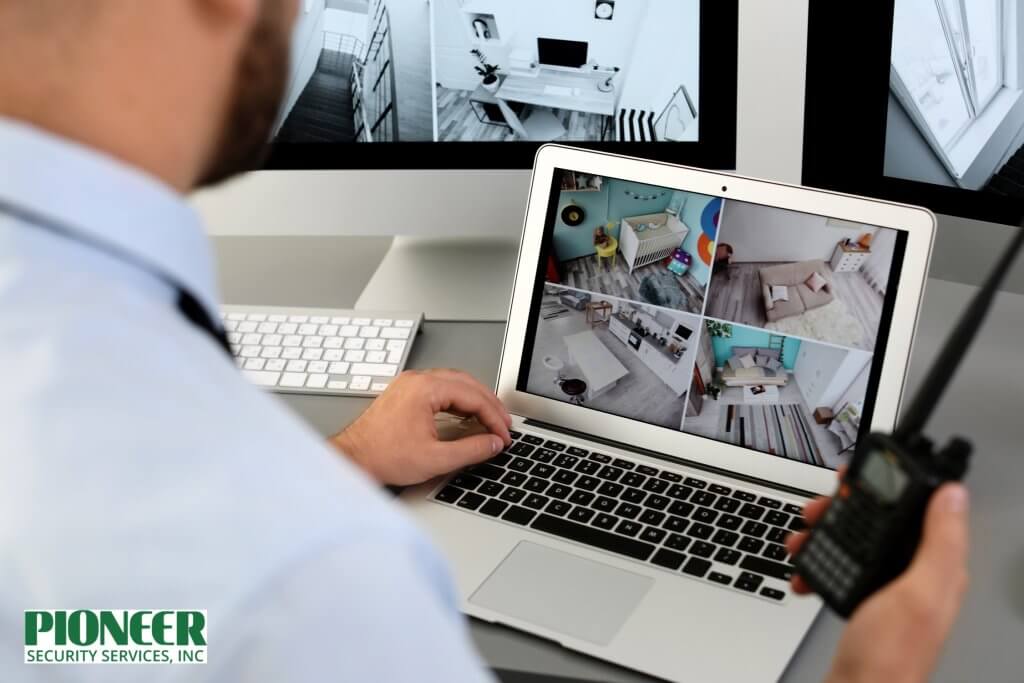
Power Over Ethernet: Live Video Guards
The reliability and flexibility of poe paired with our award winning live guard service.
- Superior color night vision
- 2-way audio with guards
- 4K 8MP video resolution
- Crime prevention with live guards
We prevent
Break-Ins
Unwanted Visitor
Theft
Vandalism
Loitering
How does Pioneer’s Live Video Guard system work?
Our proactive video monitoring system consists of four parts:
Pioneer Sign
- Pioneer Security signs warn trespassers that your property is monitored by live video guards.
- These signs are the first line of defense in deterring crime.
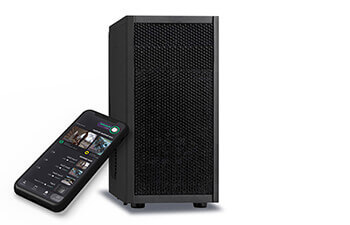
AI PoE Hub
- Advanced AI powered by Nvidia GPU
- 4TB hard drive
- Supports up to 15 PoE cameras
- Instant alerts and access via mobile app
- Live video escalation to human guards
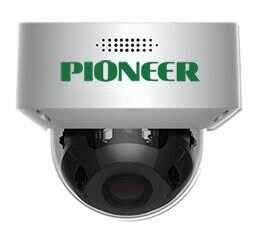
Video Camera
- Power-over-Ethernet
- Dome and bullet video cameras
- 4k/8MP video
- 2-way audio

Guards
- On duty 24/7 stationed in the US
- Professional responses to potential threats
- Can dispatch police via a 911 call from your business address
- Privacy mode gives you full control
Welcome To Pioneer Security Services, Inc.
Family Owned and Operated, Security Systems San Diego Since 1978.
Whether your security needs are for your home, small business, or corporation, Pioneer Security Services has the products and industry experience you need to ensure your safety and peace of mind. Our clients appreciate our hands-on approach to service. You are never just an account number at Pioneer Security. We take pride in pampering our clients with personal service that goes above and beyond expectations.
Live Video Guards
Our newest security innovation is a live video guard system that protects the exterior of your property with two-way voice surveillance. Because our guards interact with vandals and other unwanted visitors before they enter your business or home, we stop crime before it starts. Live video guards reduce both property losses and false alarm fees. Call us today and ask us how live surveillance can improve your security.

Howard L. Feldman
Founder and President