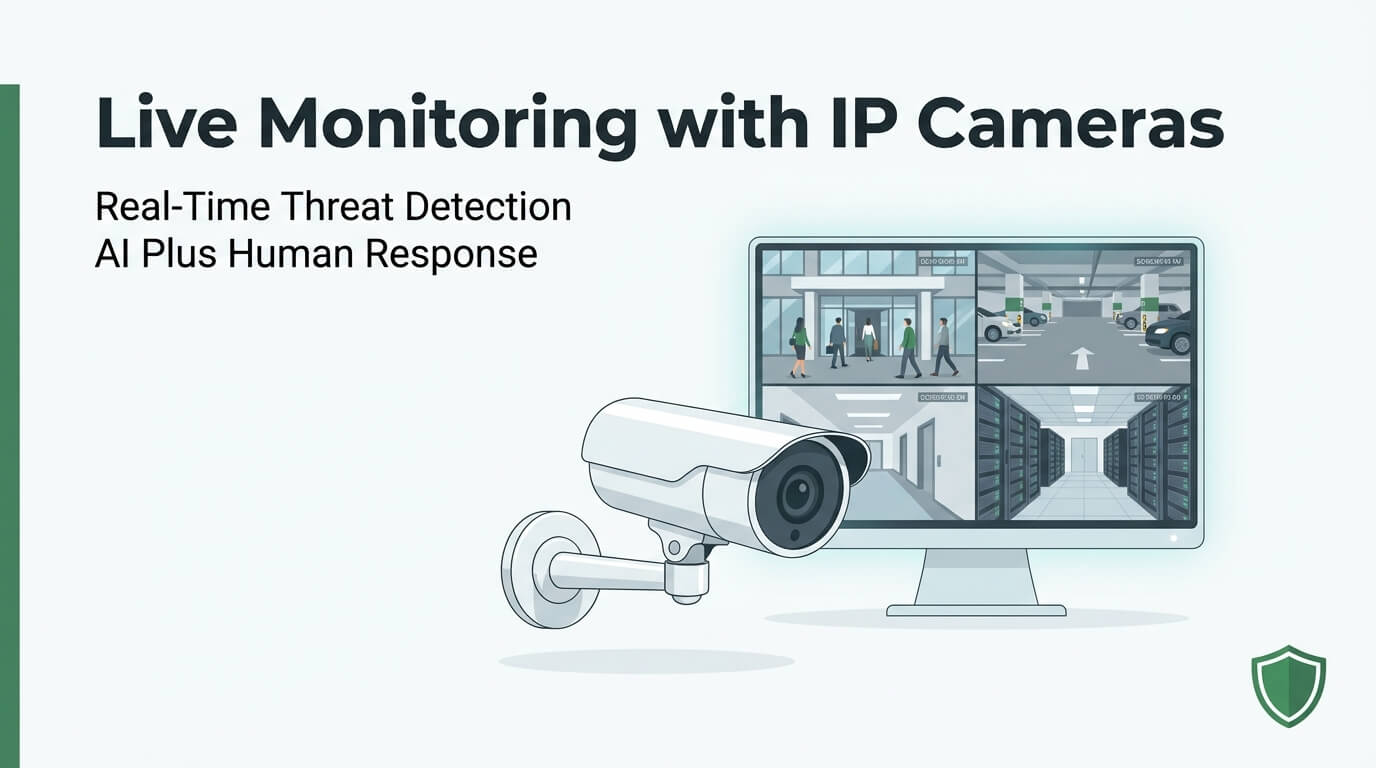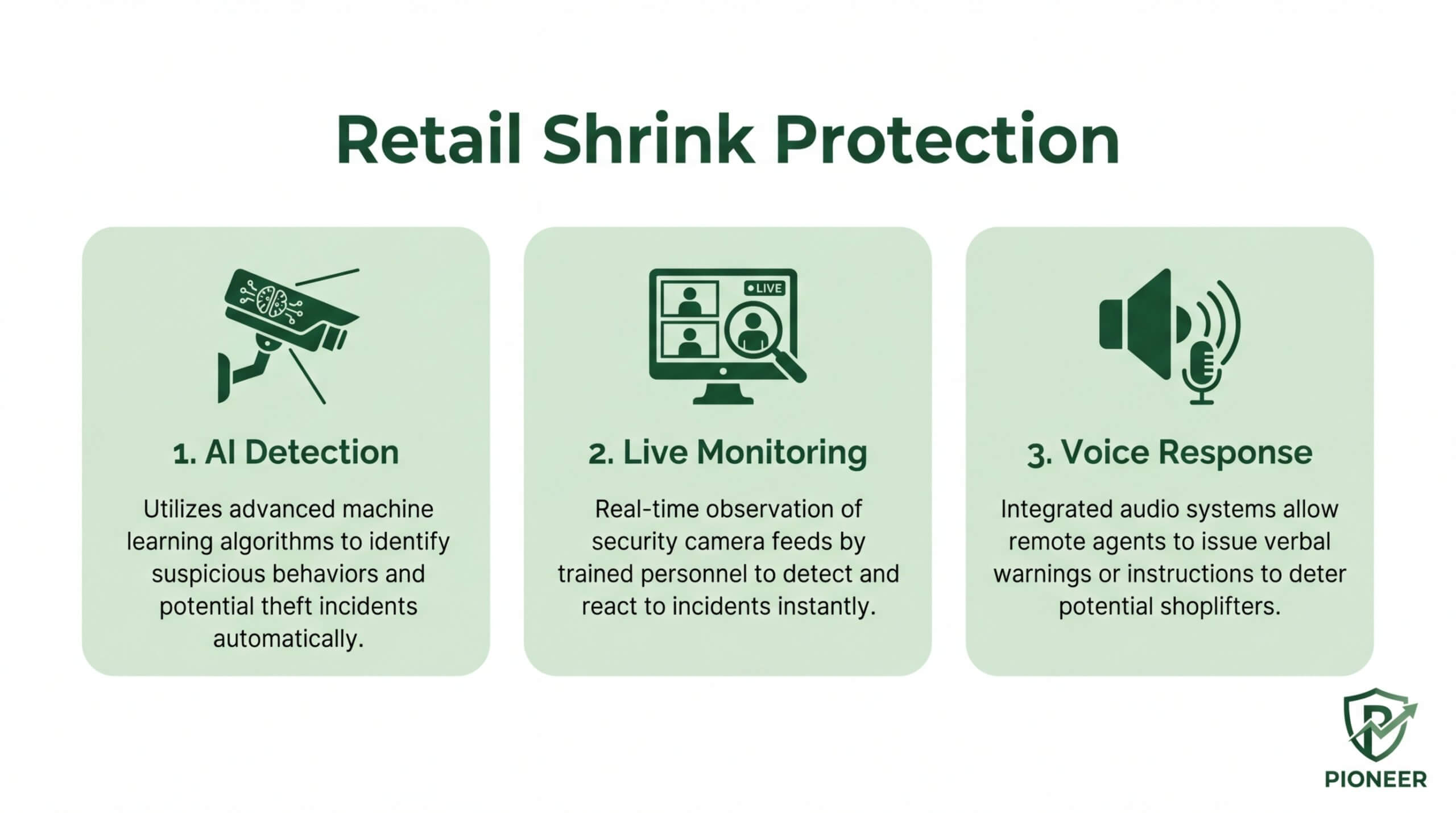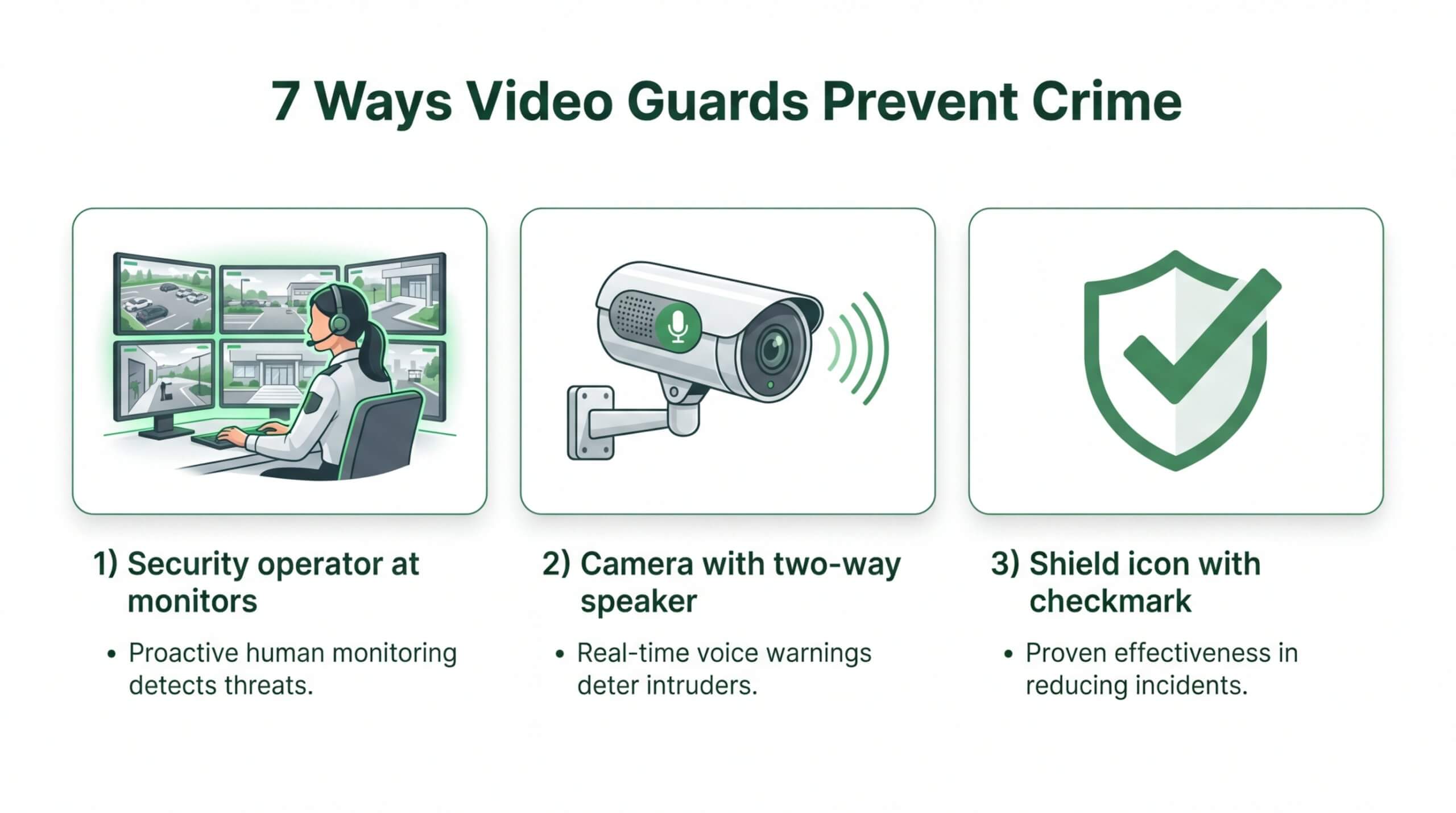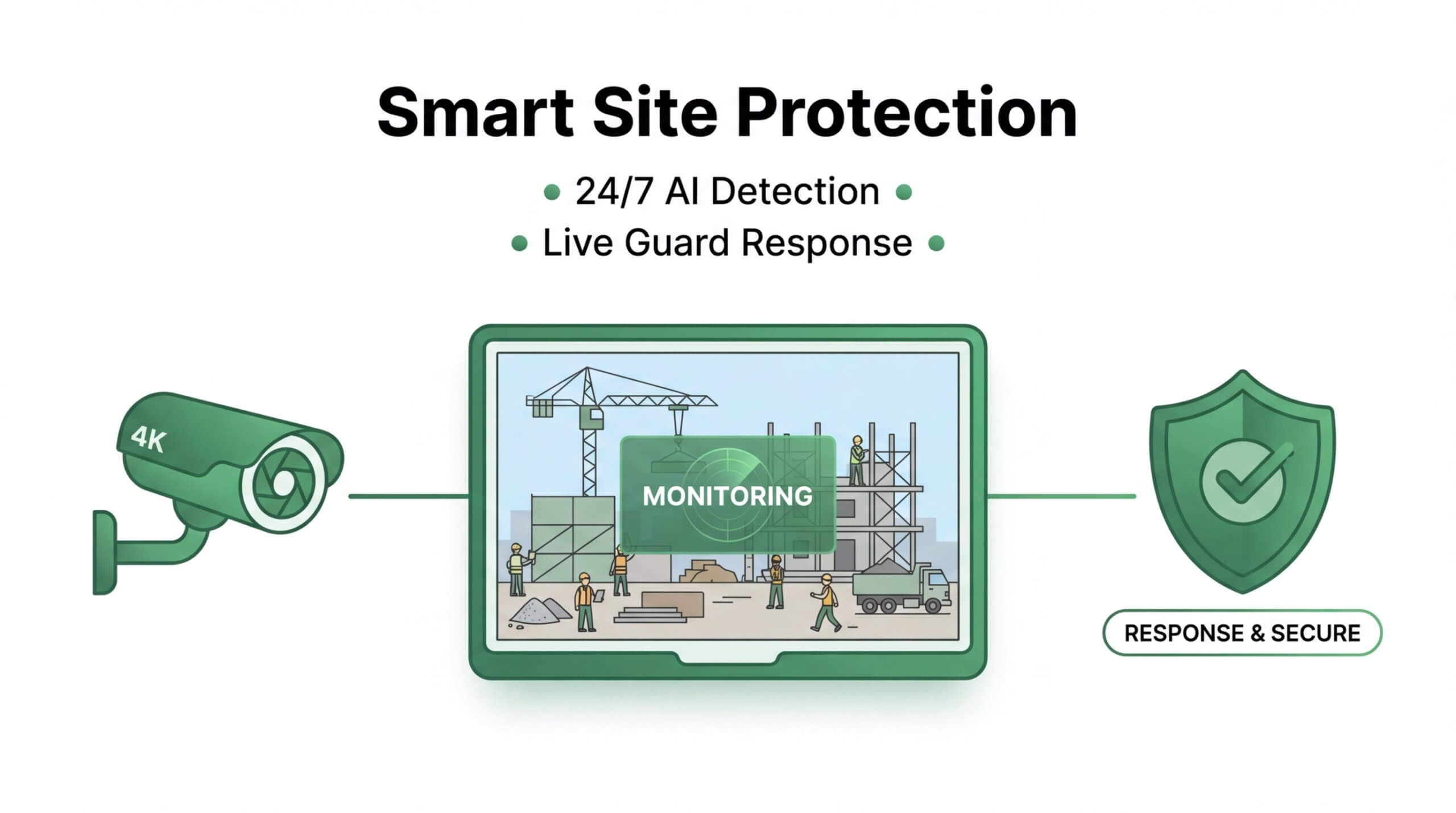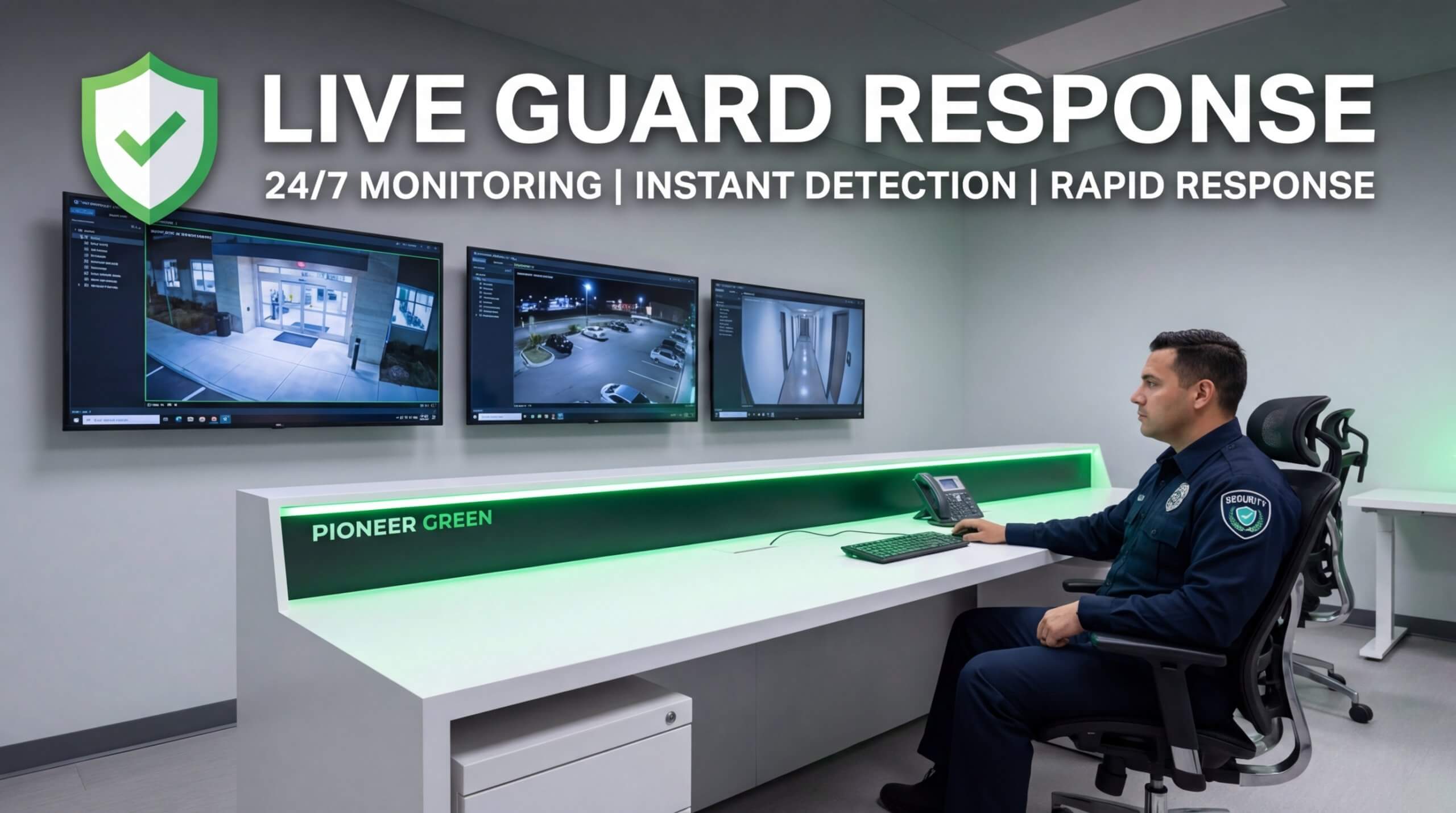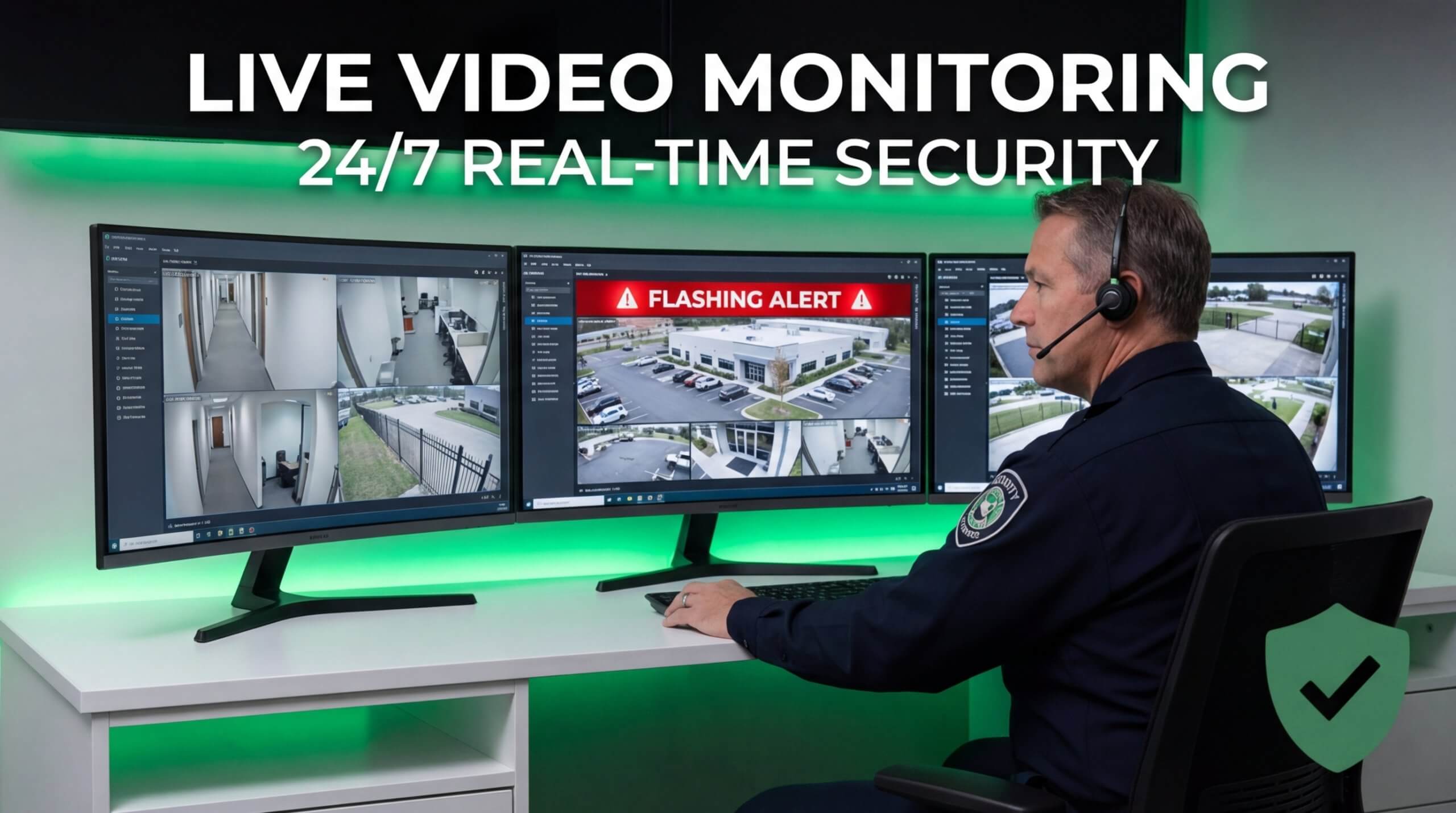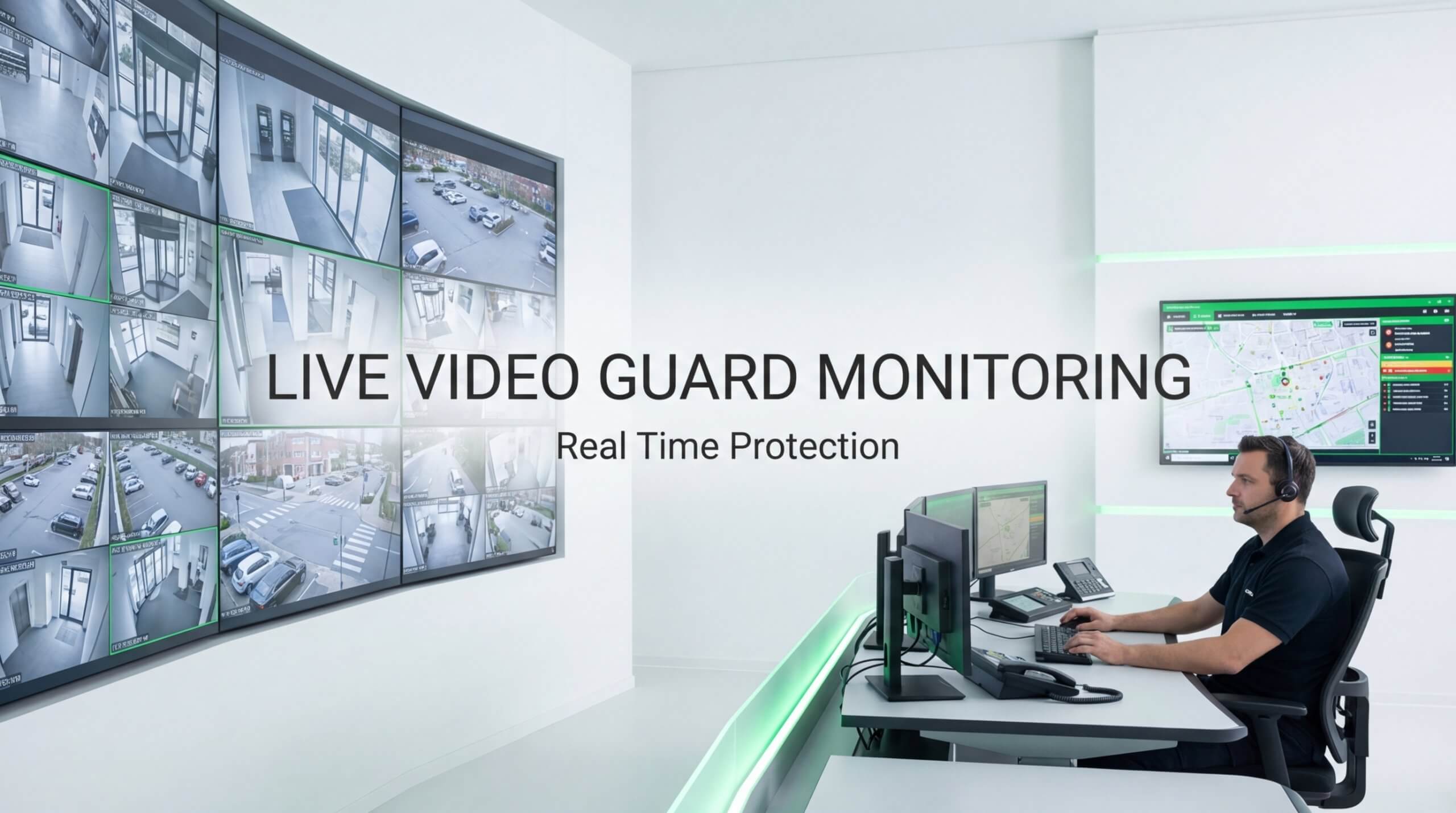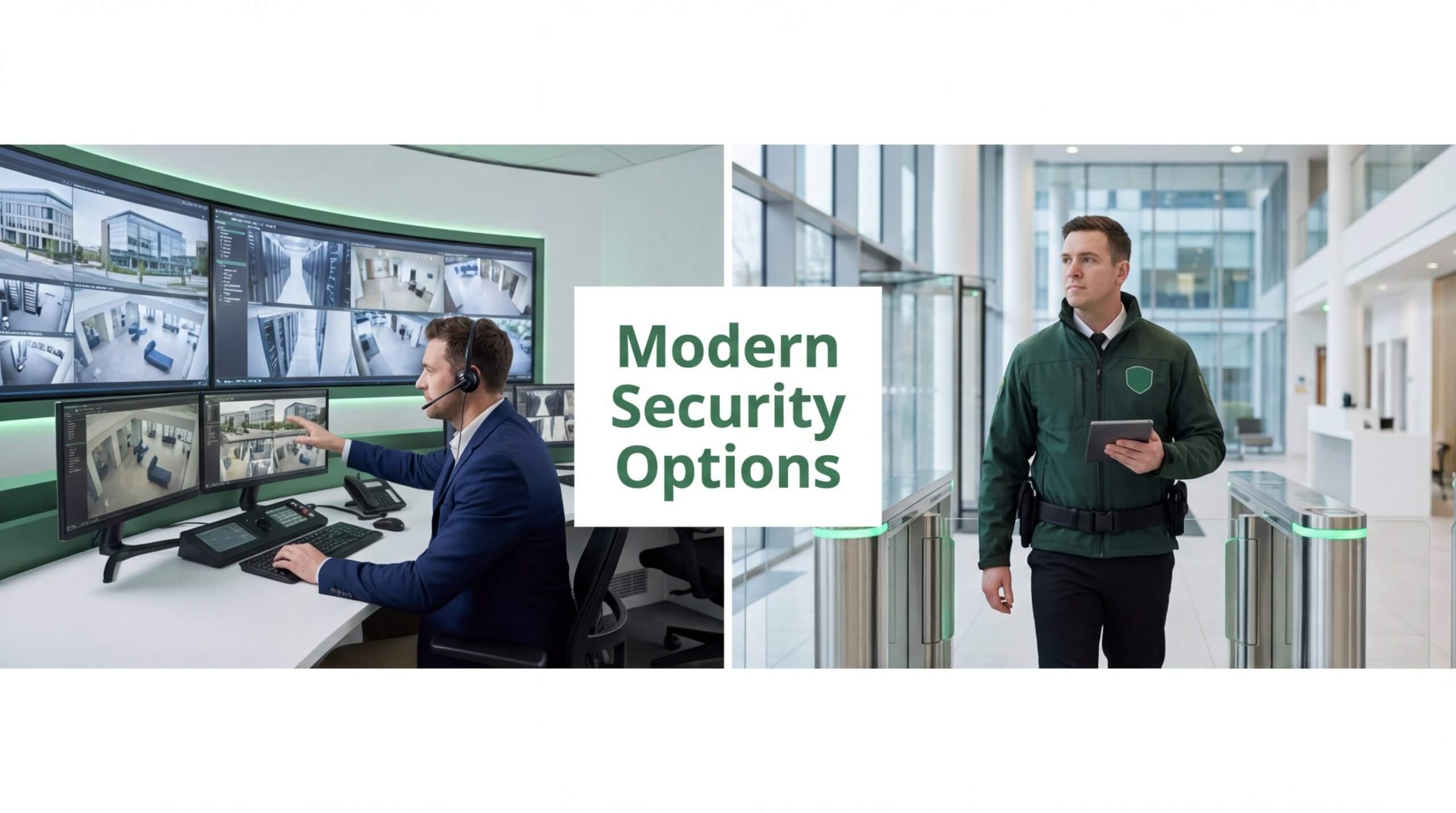
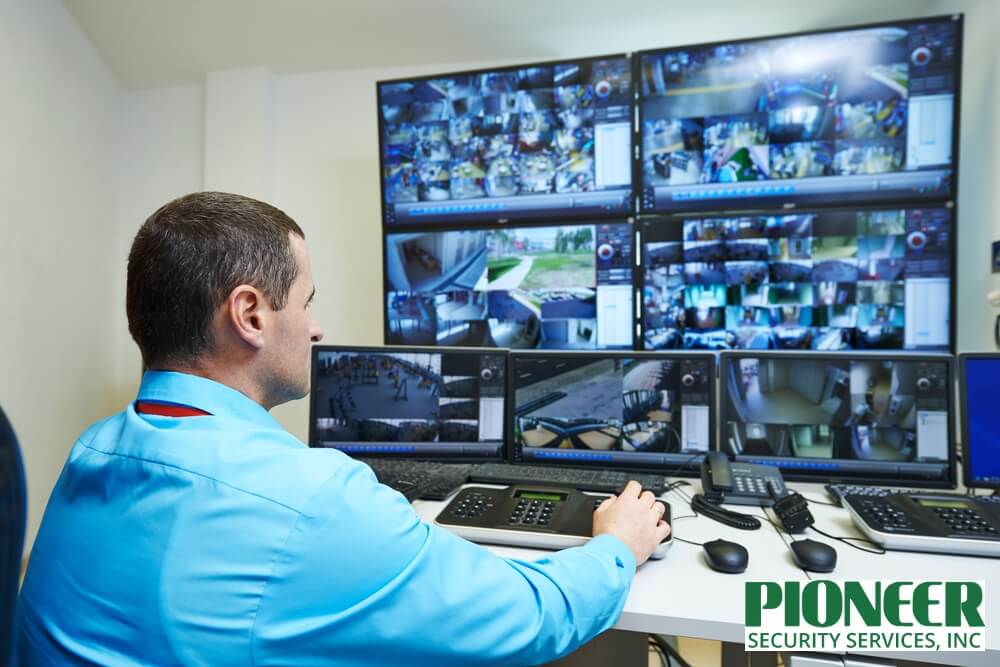
A live video monitoring provider does far more than simply install cameras. They design and install the system, monitor feeds in real-time, verify and respond to threats, produce clear incident reports, and deliver ongoing technical and compliance support. Selecting the right partner directly improves security effectiveness, reduces liability, and maximizes return on investment.
According to research cited by the U.S. Department of Homeland Security, 88 percent of companies have experienced an increase in physical security threats in recent years, underscoring the need for competent, proactive monitoring.
This guide will equip you with practical criteria to evaluate potential providers, the most important questions to ask before signing a contract, and the common mistakes that can undermine security performance and budget outcomes.
Why Choosing the Right Provider Matters?
Selecting the wrong live video monitoring vendor exposes businesses to grave risks. First, you get a false sense of security. Poor verification or monitoring means threats go overlooked until damage is done. Second, there may be delayed responses. If alerts are not verified promptly, emergency services or internal teams cannot respond swiftly.
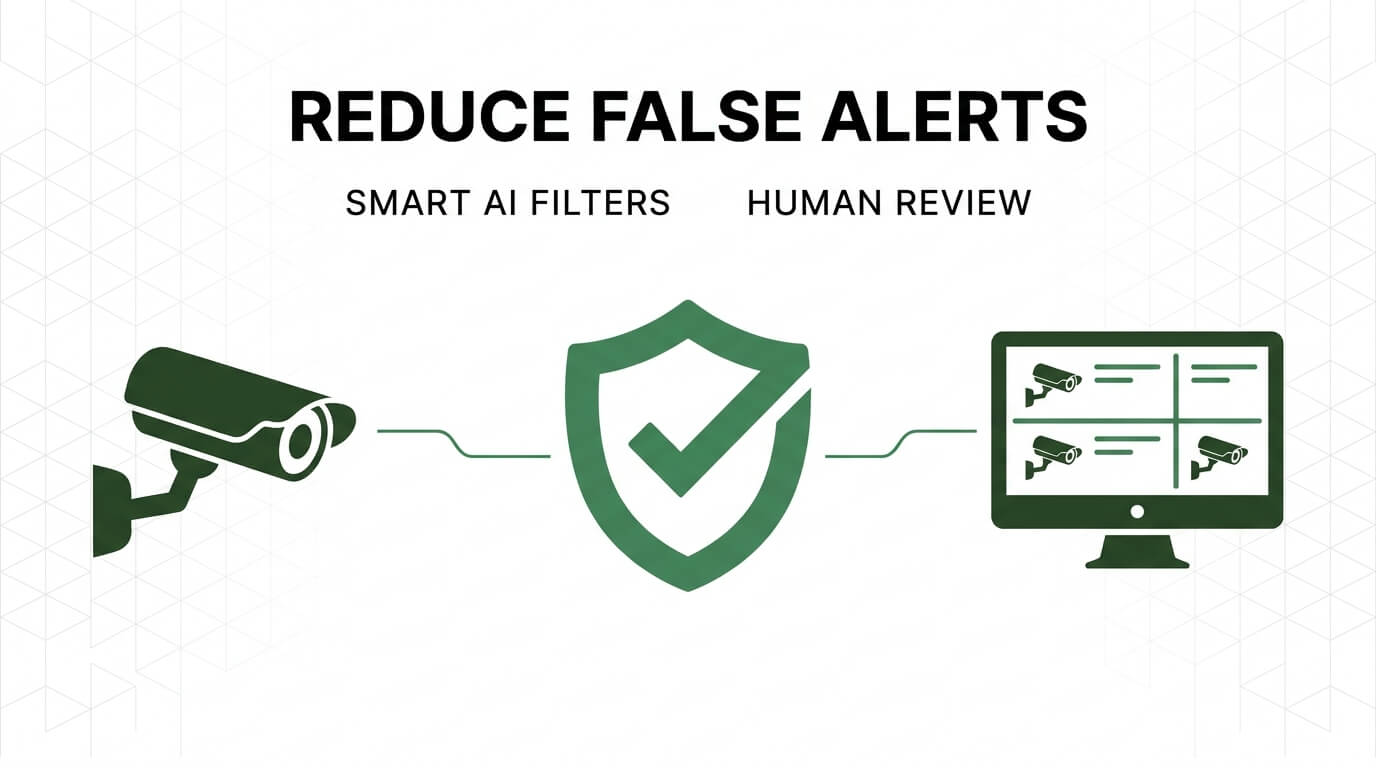
For example, in the United States, only 2-6 percent of alarm activations are actually valid threats; between 94-98 percent are false alarms. These false alarms cost municipalities, businesses, and taxpayers about US $1.8 billion per year in wasted response time and resources.
A retail store with a simple alarm system lost $50,000 in merchandise when an intrusion alarm was ignored, mistakenly believed to be a false alarm. That cost included stolen goods, customer mistrust, and increased insurance premiums. The wrong vendor contributed: verification took too long, and escalation protocols were unclear.
Choosing correctly matters not just for preventing losses. It means your system works reliably, your team and emergency responders act fast, and your investment returns value through fewer false alarms, better protection, and regulatory compliance.
Key Factors to Consider When Selecting a Provider
Below are the essential elements you should evaluate in any live video monitoring provider. Each must be understood clearly, because together they determine whether your security works when it really counts.
Provider’s Industry Experience and Certifications
Experience in your sector brings practical knowledge of common risks, regulatory requirements, and best practices. For example:
- A provider working with retail will understand theft methods, inventory vulnerabilities, shoplifting behaviour, and point-of-sale integration.
- In the construction industry, remote sites, theft of heavy equipment, and vandalism are common; solutions often require rugged hardware and off-grid power or network redundancy to ensure reliability.
- For financial firms, compliance with data protection, audit trails, secure storage, and chain of custody matters strongly.
- For residential clients, privacy concerns, deterrence, local response, and community relations are key considerations.
Certifications provide independent proof of competence. Key examples:
- UL (Underwriters Laboratories) certification for the safety standards of hardware and fire/lighting alarms.
- ISO-27001 for information security management.
- ISO-9001 for quality management processes.
- PCI DSS if your monitoring environment handles payment or card data.
A provider with strong certifications and sector-specific experience will be more likely to meet legal, safety, and functional expectations.
Quality and Range of Monitoring Services Offered
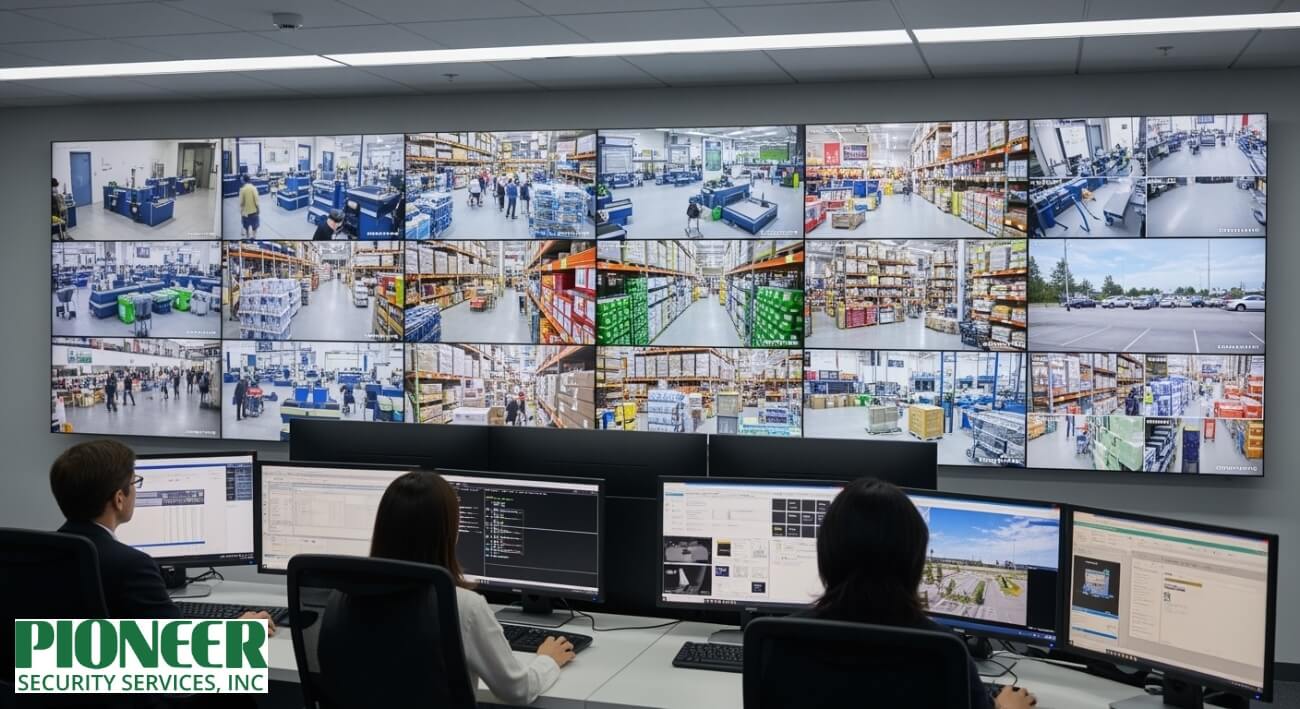
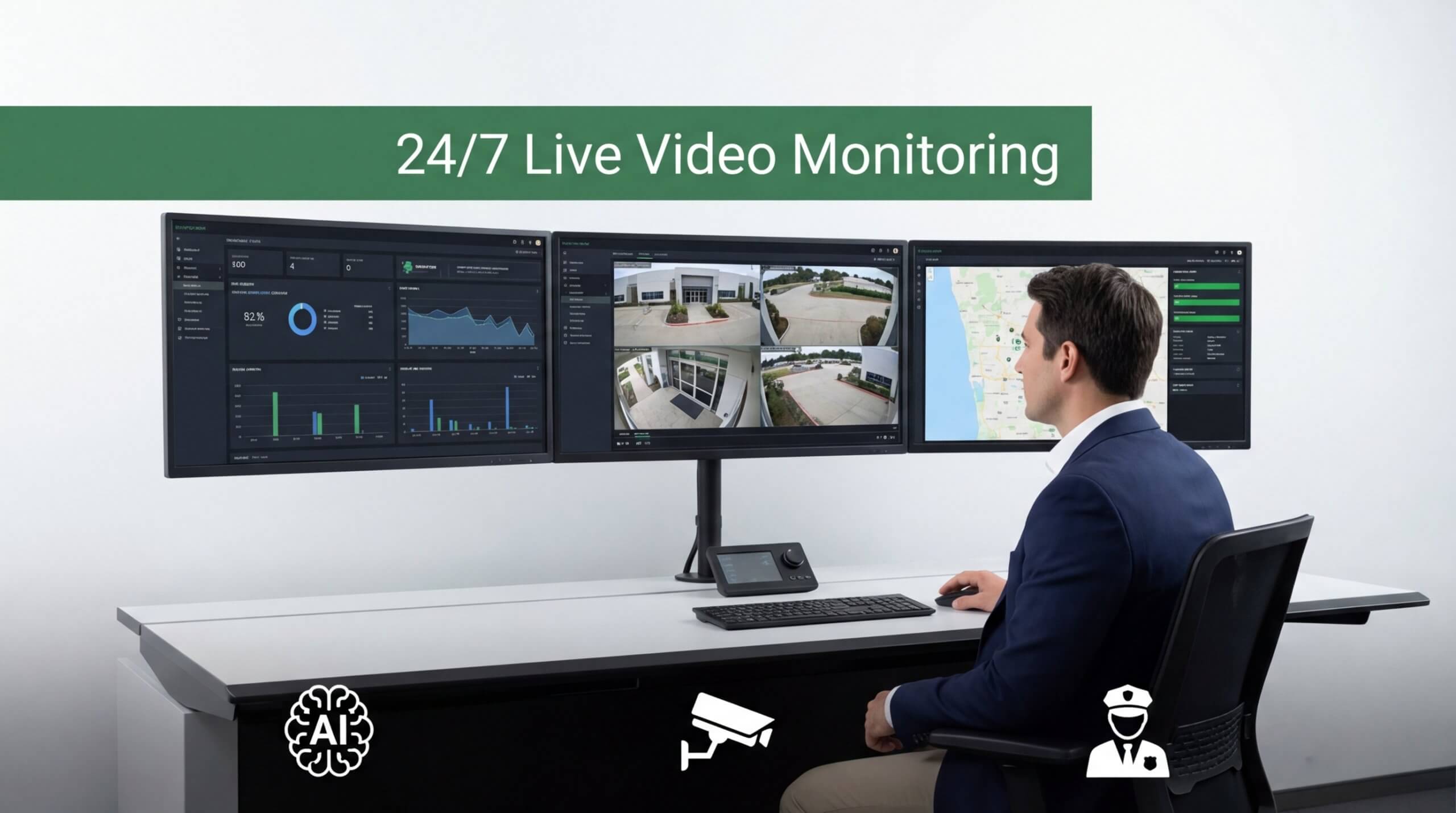
Not all providers deliver the same services. Basic providers may only install and monitor cameras, with manual video review or simple motion detection. Advanced providers offer a more comprehensive suite:
- AI-powered analytics: detecting unusual behaviour, identifying faces, distinguishing people from animals, so alerts are more meaningful.
- Two-way voice capability: letting an operator speak through a speaker on site to deter intruders immediately.
- Cloud storage: for redundancy, off-site backups, easier retrieval, and protection against camera theft or damage.
- Detailed reporting dashboards display the frequency of alerts, trends, geography, incident types, and operator performance.
For example, a warehouse using only basic motion detection might get dozens of alerts a night; with analytics and verification, those alerts drop dramatically, allowing staff to focus on real incidents.
Response Times and Emergency Protocols
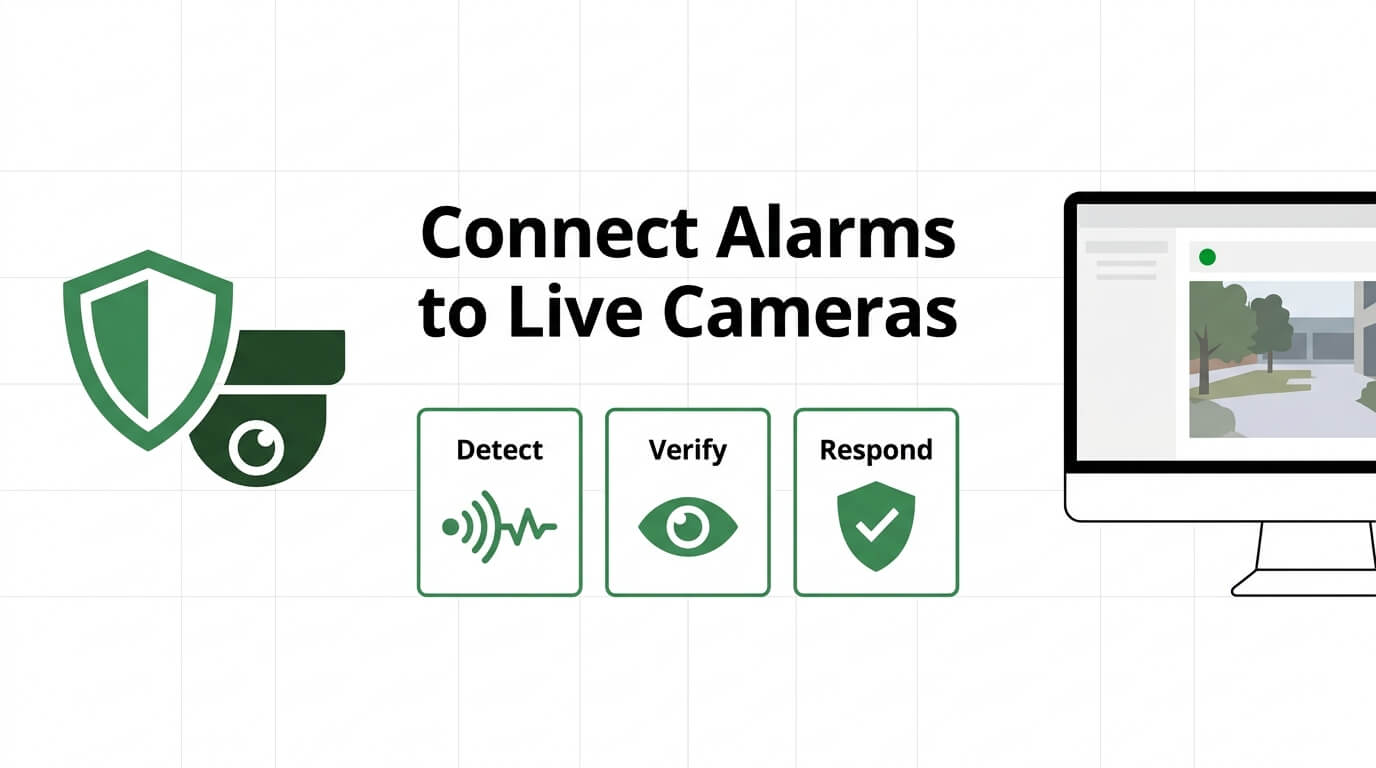
Response time is the single most critical factor when a threat happens. It includes detection, verification, escalation, and dispatching help. Without swift intervention, losses escalate non-linearly, forced entry becomes full theft, and a small fire becomes a destructive blaze.
An official U.S. study estimated that police respond to burglar alarm activations only about 2-6 percent of the time when alarms are verified to indicate a real threat.
Verified alarms receive priority response because emergency services know the threat is confirmed.
You need to ask how many minutes it will take from alert to verification? What is your provider’s escalation protocol? Who has the authority to call the police? What happens if the primary path fails (e.g., operator offline, network down)?
Technology and Integration Capabilities
Technology compatibility affects both immediate performance and Future scalability. A provider must support:
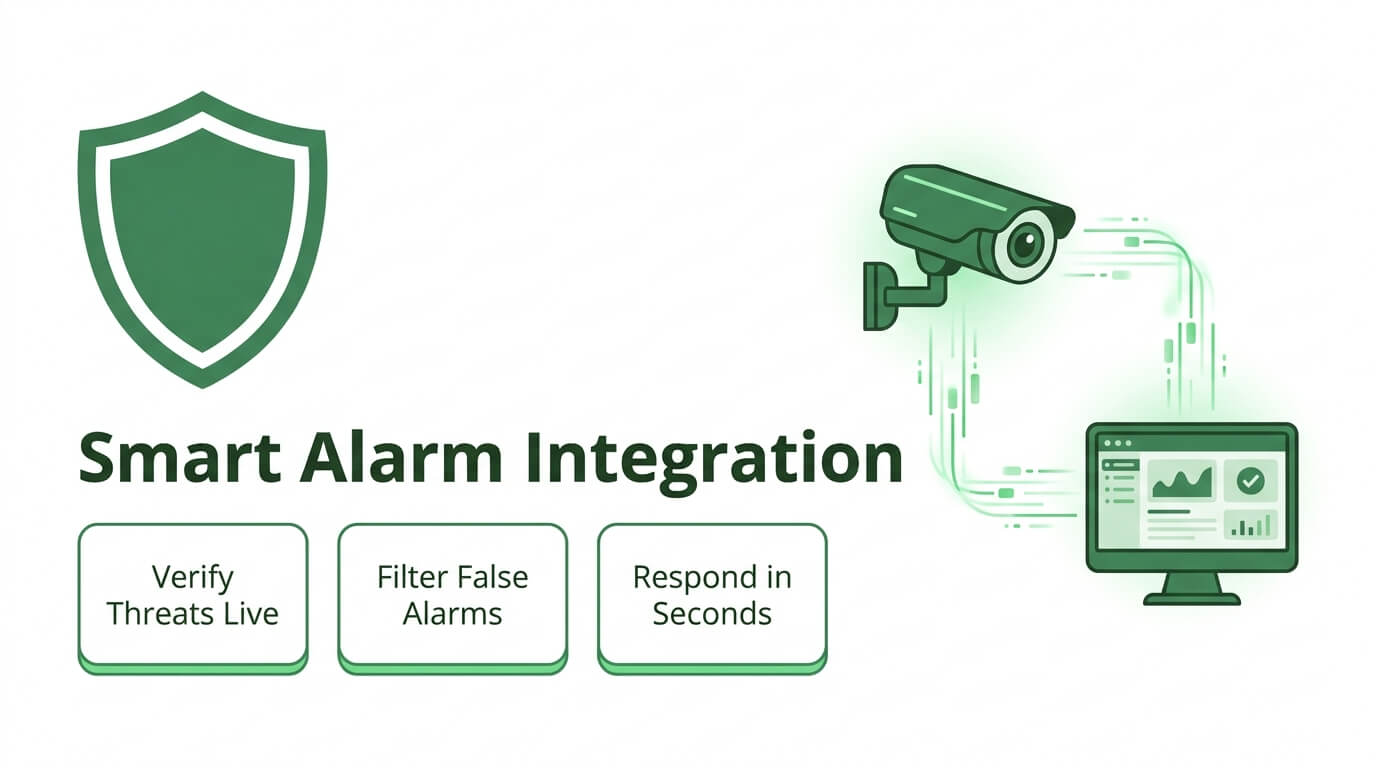
- Integration with existing systems: access control, smart locks, alarm sensors, perimeter detection.
- Support for modern tools: AI video verification, behavioural analysis, edge vs cloud processing.
- Ability to update: firmware, software, and new analytics models.
Why future-ready tech matters: criminals adapt, regulations evolve, and hardware ages. A provider that cannot integrate or upgrade will leave you vulnerable or force you into expensive, time-consuming rip-and-replace cycles.
Scalability for Growing Business Needs
Your business may be small today, but it may expand in terms of locations, staff, or facilities in the Future. So the monitoring provider must scale accordingly. Key considerations:
- Can they support multiple sites with unified dashboarding and consistent service?
- Is pricing volume-friendly when you expand?
- Is infrastructure flexible (e.g., cloud capacities, network load, local redundancy)?
- Are there minimum service levels per site, or are there hidden surcharges for remote or hard-to-reach facilities?
- A provider that scales well saves time, cost, and headaches as you grow.
Transparency in Pricing and Contracts
A provider may sound good during a pitch, but contract terms often conceal hidden costs. You should demand price clarity on:
- What hardware, installation, and monitoring are included?
- What cloud storage is included, and how long are records stored?
- Charges for false alarms, dispatch, emergency notification, and data retrieval.
- Contract duration, renewal terms, exit or upgrade clauses.
Contracts should not leave ambiguity. Hidden fees can erode the advantage of what initially appeared to be a good deal.
Customer Support and Reliability
Monitoring and security cannot have “off hours.” You should expect:
- 24/7 operator coverage (including holidays and nights).
- Local or regional support teams that can respond quickly to hardware or network faults.
- Backup systems or redundant monitoring centers are in place to ensure uninterrupted service.
- Service Level Agreements (SLAs) specify uptime, performance metrics, and maintenance response times.
Reliability means that when an alert occurs, everything up the chain works: hardware records, the operator reacts, escalation flows, and emergency responders engage.
Questions to Ask Before Hiring a Live Monitoring Provider
Use the checklist below when evaluating providers. Their answers will tell you whether they meet your needs.
- What is your average response time from alert trigger to verification and then to emergency dispatch?
- How many of your alerts are verified by human operators (or AI plus human) before notifying authorities or management?
- Do you offer AI-enabled monitoring (e.g., analytics to reduce false alarms, behavioural detection)?
- How do you handle false alarms? Do you require video or audio verification before dispatch? What penalties or fees apply?
- Can you provide references from customers in my industry (retail, construction, financial, residential)?
- Which certifications or standards do you hold (UL, ISO 27001, PCI DSS, etc.), and can you share evidence of compliance?
- What exactly is included in your pricing: hardware, installation, cloud storage, monitoring, maintenance, upgrades?
- How will you support, monitor, and manage multiple locations under one dashboard if I expand to multiple sites? What are the incremental costs?
- What are your emergency protocols? At what point do operators escalate to law enforcement or internal emergency teams?
- What technology and integrations do you support (access control, smart locks, alarm systems, sensors)? Can you integrate with existing or planned infrastructure?
- What reporting do you provide? How frequently and what details (incident log, trends, operator performance, geographic breakdown) do you provide?
- What are your uptime guarantees or SLAs? What happens in case of a system outage, power, or connectivity failure?
- What contract terms apply: duration, renewal, exit, and penalties for failure to meet performance or response time.
Mistakes to Avoid When Choosing a Provider
Many businesses underestimate the complexity of selecting a live video monitoring vendor. The wrong choice can compromise security, increase legal risks, and result in financial waste. Avoiding the following mistakes will help you protect your assets and maximize the value of your investment.
1. Choosing Based on Price Alone
It’s tempting to select the cheapest proposal. However, low bids often come with hidden weaknesses, such as fewer trained operators, lower-resolution cameras, or inadequate verification protocols. Cheap systems can lead to unusable evidence, missed threats, or higher false alarm rates.
For instance, a retail chain in Ohio found its low-cost monitoring service provided grainy footage during a burglary, invalidating an insurance claim worth thousands. Saving on price costs far more in losses later.
When comparing bids, weigh not only cost but also the provider’s staffing levels, technology standards, and response procedures. A slightly higher fee can mean faster intervention, better compliance, and more reliable protection.
2. Ignoring Compliance and Legal Standards
Monitoring systems collect sensitive data and must comply with multiple regulations. Skipping this step can result in fines or legal action. Some key frameworks include:
- Americans with Disabilities Act (ADA): security alarms, controls, and alerts in public or commercial spaces must be accessible to people with disabilities.
- The Occupational Safety and Health Administration (OSHA) mandates the protection of worker privacy and the proper handling of recordings of employees.
- State and federal privacy laws: Many jurisdictions restrict audio recording without consent and set retention limits on video recordings.
Failing to meet these standards may render footage inadmissible in court or expose your company to lawsuits.
3. Not Checking Case Studies or Client References
Marketing claims sound good, but only real-world results prove performance. Ask for case studies and at least two references from businesses similar to yours. Key points to verify:
- Actual average response time to incidents.
- How false alarms are handled in practice.
- Service reliability, including uptime and equipment maintenance.
A trusted provider will be transparent and proud to share documented success stories. A lack of references should be a warning sign.
Comparing Local vs National Providers
Both local and national providers can deliver strong security, but each has trade-offs you should understand.
Local providers tend to offer:
- Faster on-site support. Local technicians can quickly resolve issues with your camera or network.
- Better knowledge of local codes, climate, and community issues.
- Personalised service. You can often visit their office, meet the staff, and observe the operations.
National providers often bring:
- Broader resources, including redundant monitoring centres and more advanced analytics.
- If you have multiple locations, a single vendor can provide consistent reporting and equipment across all locations.
- More effortless scalability for rapid expansion across states or regions.
- Consider your priorities: Local may be best if you value personal contact and rapid on-site service. A national provider may offer more benefits if you need multi-site consistency and large-scale infrastructure.
Benefits of Choosing a Trusted Monitoring Partner

Selecting a reputable, well-equipped partner produces measurable business gains beyond basic security.
Improved Safety and Crime Prevention
A capable provider’s technology and trained operators reduce theft, vandalism, and workplace violence. High-quality video combined with verified alerts deters intruders and supports rapid response.
According to an analysis published by the Urban Institute, reducing false alarms and improving verification leads to significant cost savings and stronger police responses. Employees also feel safer, which can improve morale and retention.
Cost Savings and Insurance Discounts
A trusted partner lowers the total cost of risk:
- Fewer false alarm penalties from municipalities.
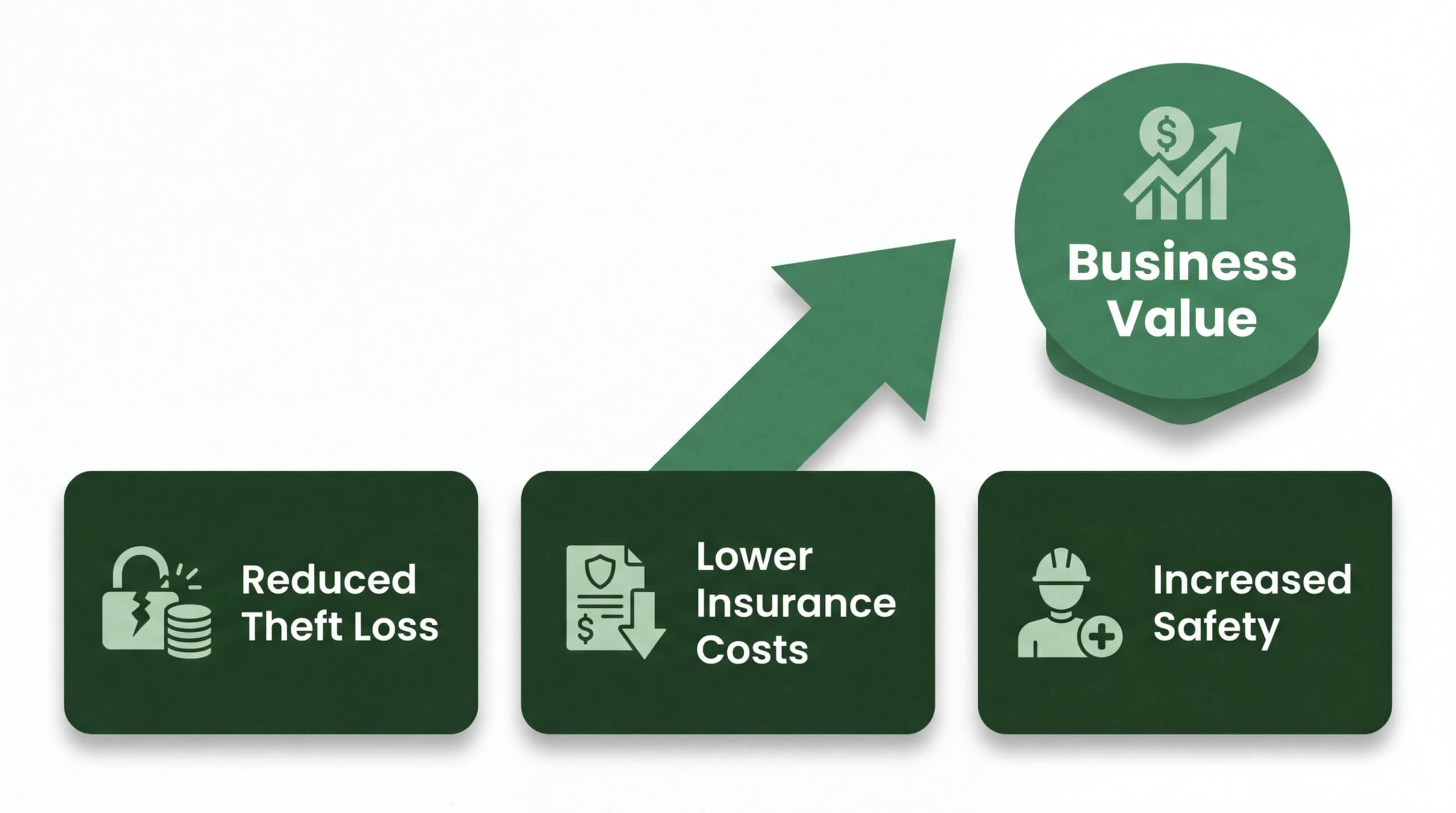
- Reduced losses from faster incident intervention.
- Lower insurance premiums: Many insurers provide discounts when a certified monitoring system is installed and professionally managed.
Montgomery County, Maryland, for example, saved roughly $6 million per year by reducing false alarm responses by about 60 percent. Businesses adopting verified monitoring often achieve similar efficiency gains.
Long-Term Peace of Mind and Reliability
Reliable monitoring builds trust over time. You can be assured that incidents will be detected, verified, and escalated correctly. Strong providers invest in redundant systems, continuous operator training, and clear service-level agreements so you are never left unprotected.
That peace of mind lets leadership focus on running the business rather than worrying about security gaps. It also strengthens stakeholder confidence that you are managing risks responsibly, from employees to regulators to insurers.
Take the Next Step Toward Safer, Smarter Monitoring
Choosing a live video monitoring provider is ultimately about safeguarding people, property, and profits. The sections above have shown how experience, industry-recognized certifications, fast and verifiable response times, reliable 24/7 support, transparent pricing, and scalable technology combine to deliver absolute security rather than a false sense of protection.
A provider that meets these benchmarks not only reduces theft, vandalism, and liability but also improves compliance and return on investment by preventing costly incidents before they escalate.
Pioneer Security has built its services around these exact principles. With proven expertise across multiple industries, certified monitoring centers, rapid operator intervention, and clear contract terms, we help organizations strengthen safety while simultaneously controlling costs.
Before making your final decision, take the time to consult reputable providers, compare their certifications and performance data, and request detailed quotes.
Frequently Asked Questions
What certifications should a monitoring provider have?
A monitoring provider should hold third-party certifications like UL 827/827B for central station and video monitoring standards. ISO 27001 (information security) and ISO 9001 (quality management) are also valuable. Local or state licenses are essential for compliance with fire, intrusion, or monitoring regulations.
How fast should a monitoring provider respond to threats?
Providers should verify alerts and dispatch a response within five minutes. High-performance centers may respond within 44 seconds using advanced verification. Fast action reduces losses, improves recovery chances, and prevents minor incidents from escalating.
Can one provider handle both residential and commercial sites?
Yes, but residential and commercial needs differ. Residential monitoring focuses on privacy, cost, and quick response, while commercial requires high-resolution video, regulatory compliance, and scalable systems. Choose a provider experienced in both for optimal coverage.
What questions should I ask before signing a contract?
Ask about response times, verification procedures, certifications, and licensing. Clarify equipment provided, maintenance responsibilities, false alarm policies, integrations, and failure protocols to avoid surprises and hidden risks.
Is it better to choose a local or national provider?
Local providers offer faster on-site support, personalized service, and better understanding of regional regulations. National providers provide advanced technology, redundancy, and consistent services across multiple locations. Choose based on your priority: speed and personal service or scale and resources.
How do I compare pricing between providers?
Compare full service scope including installation, hardware, monitoring, cloud storage, and response protocols. Watch for hidden fees and evaluate response quality, verification methods, SLAs, and overall reliability, not just price.