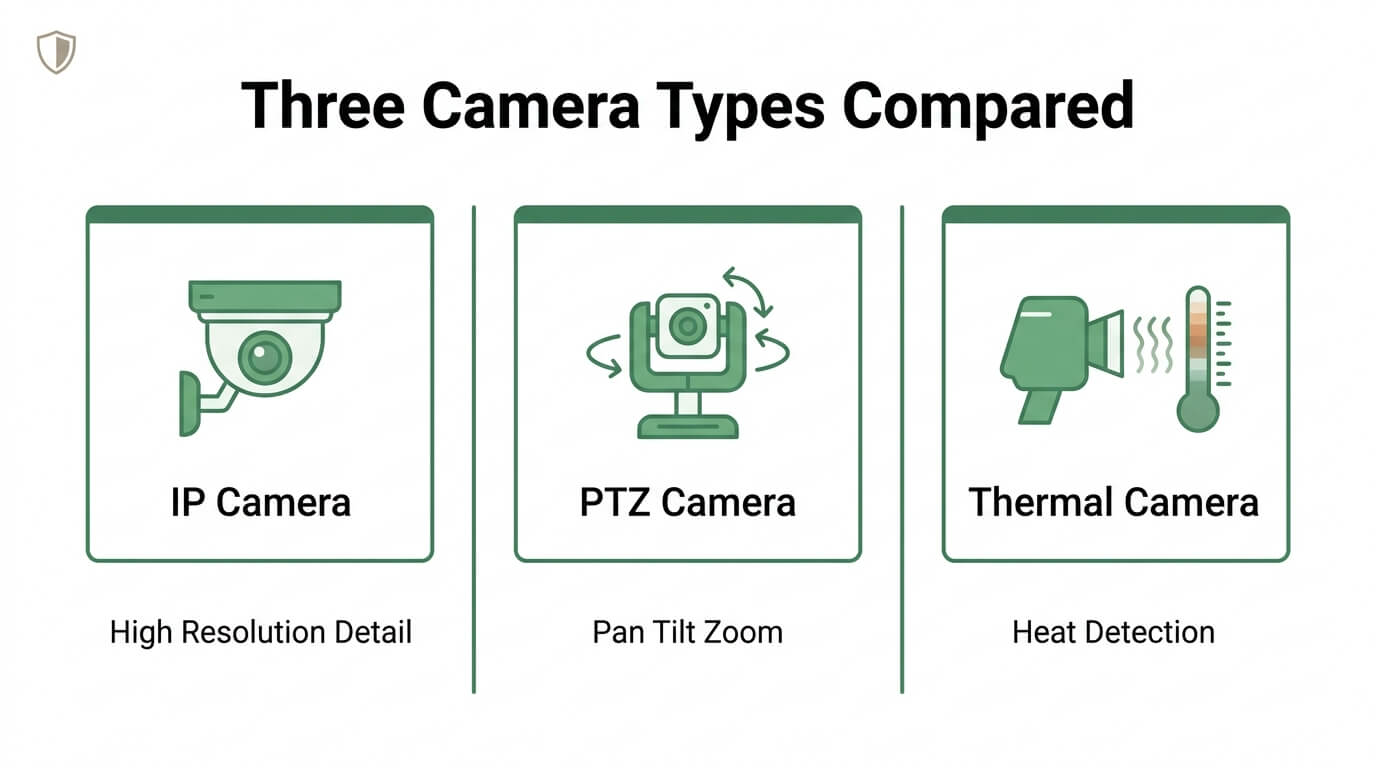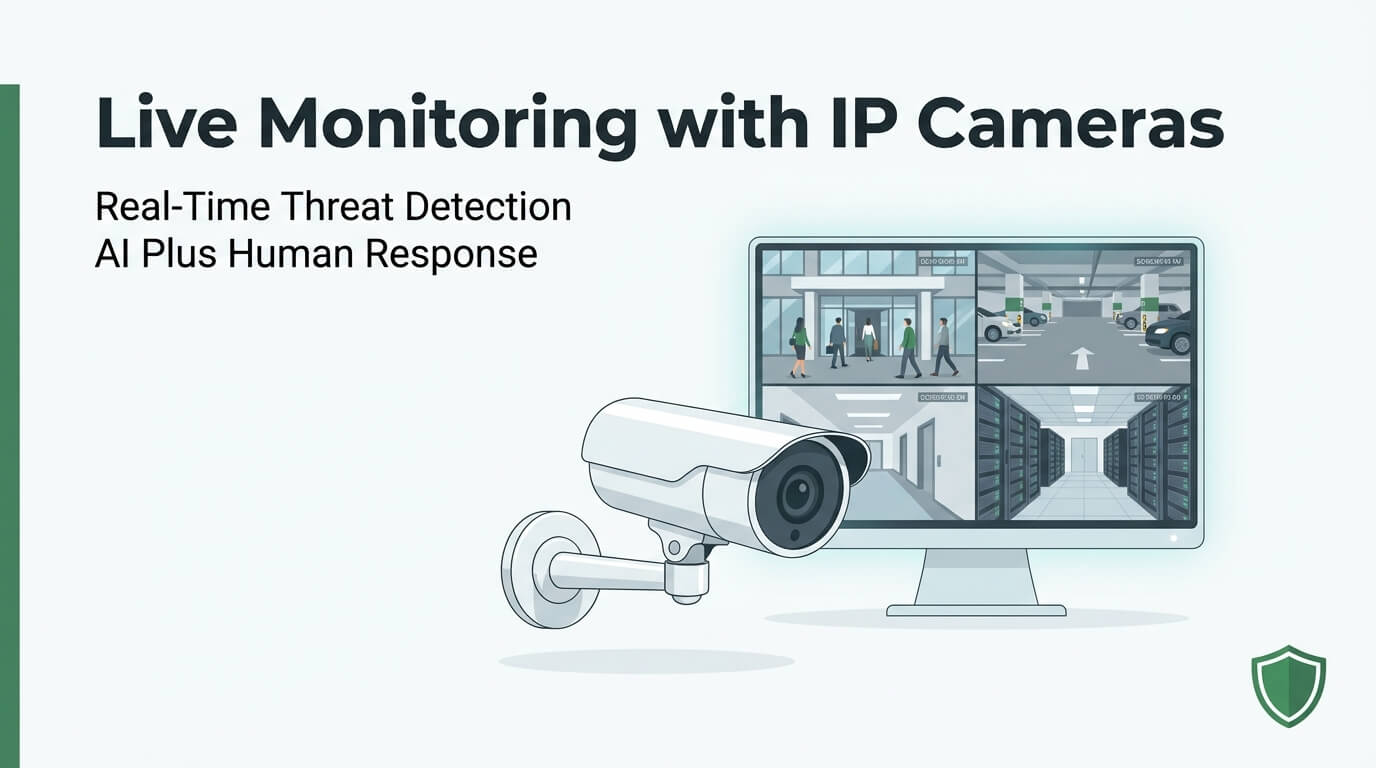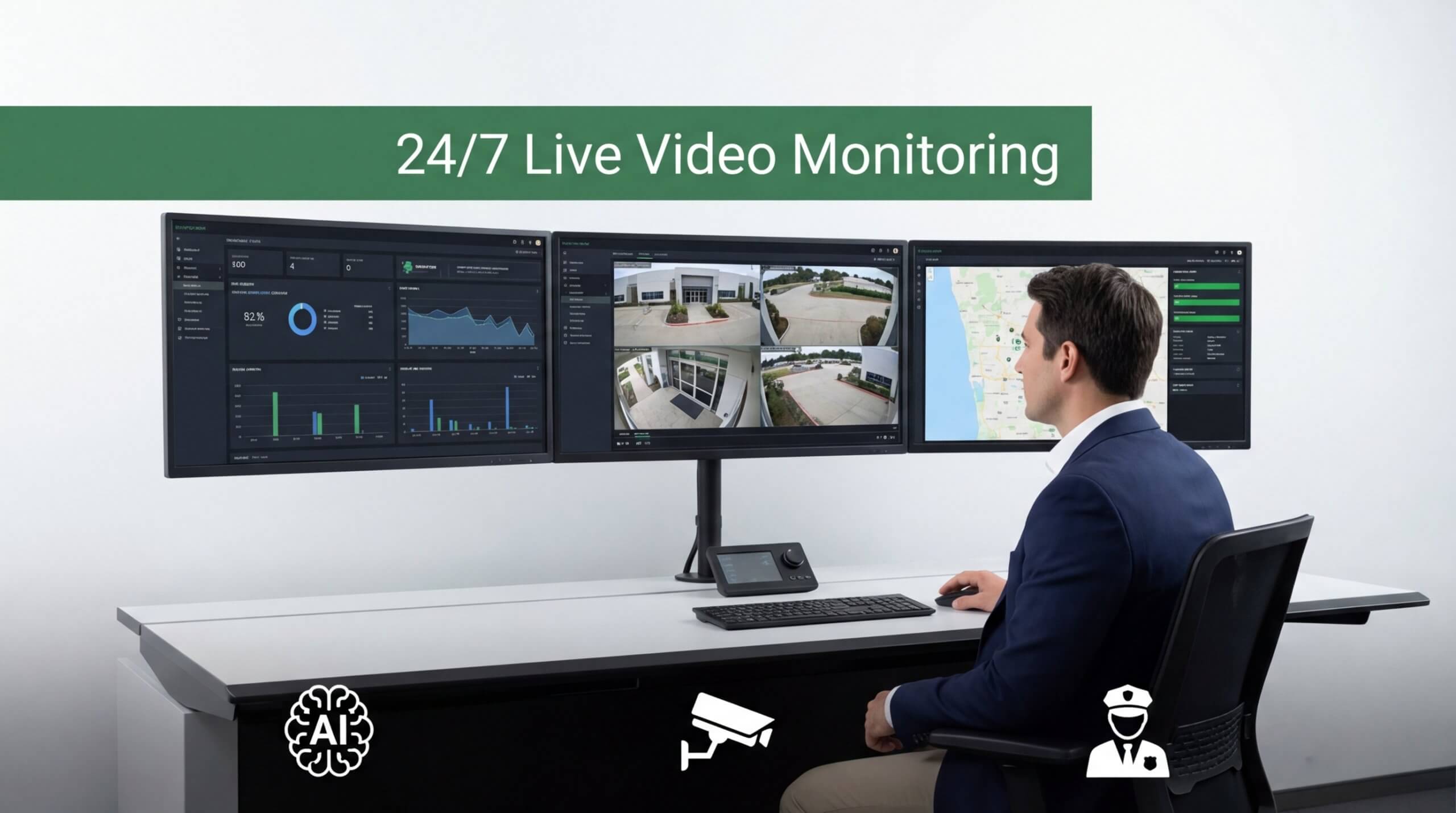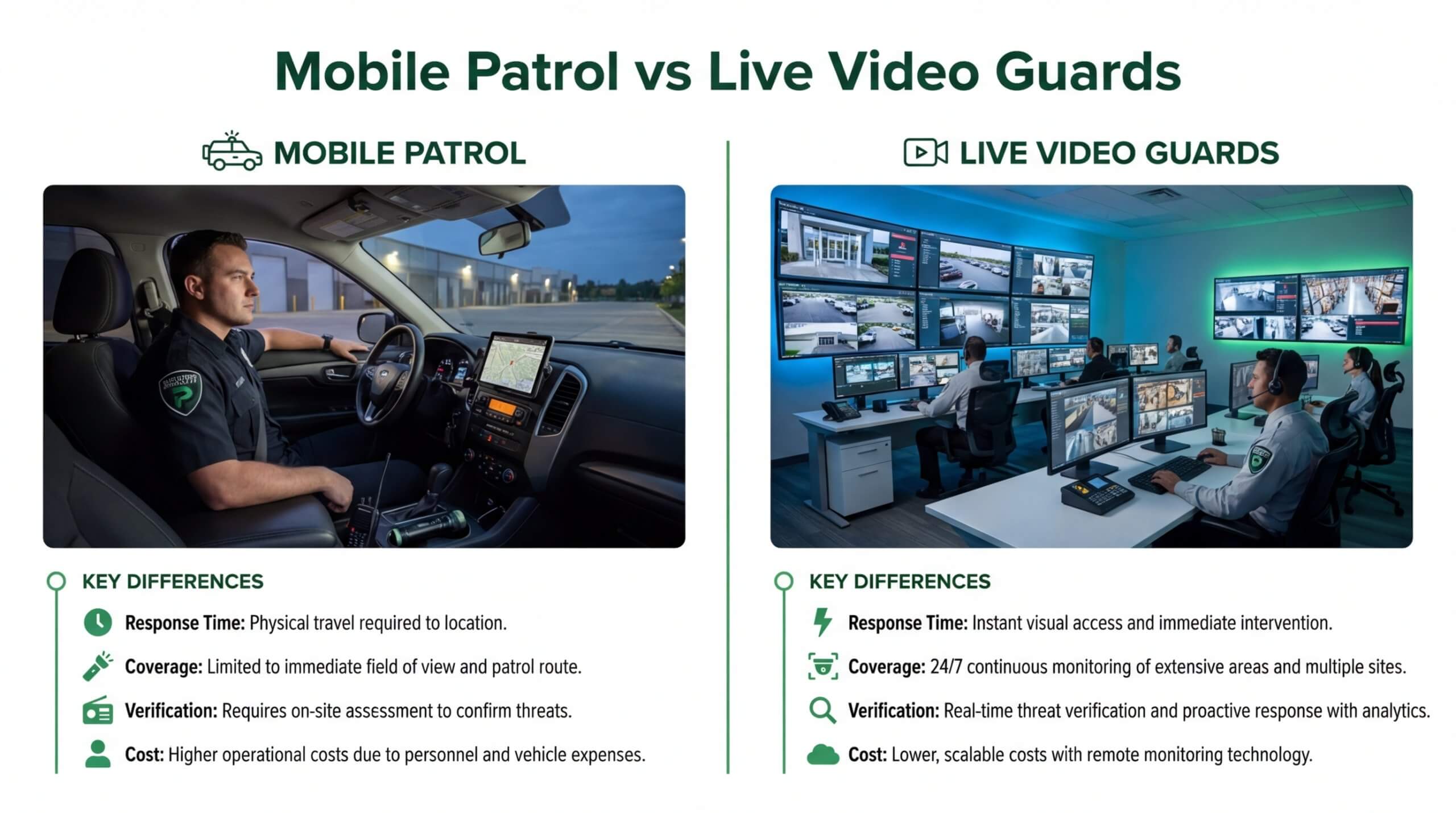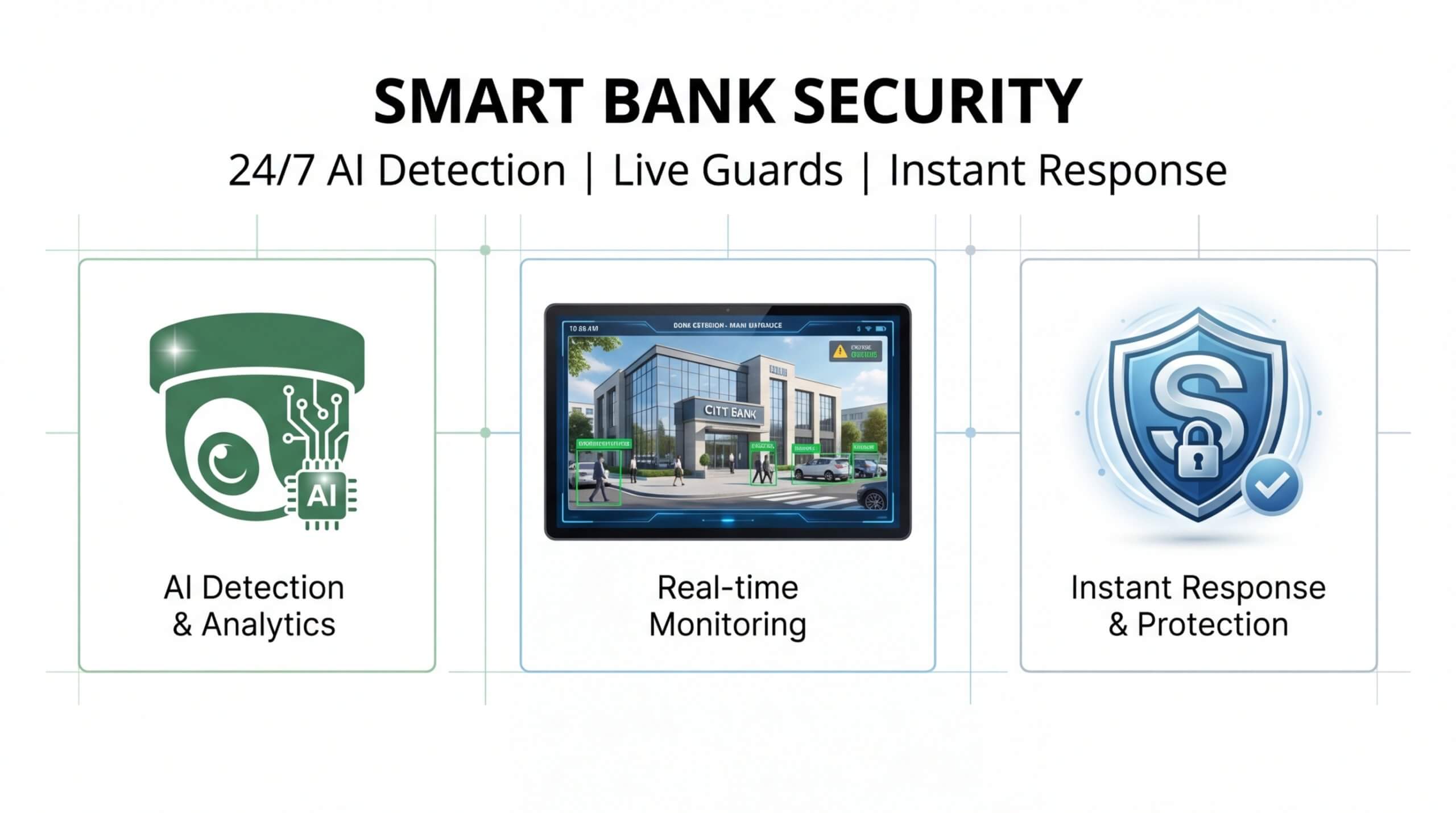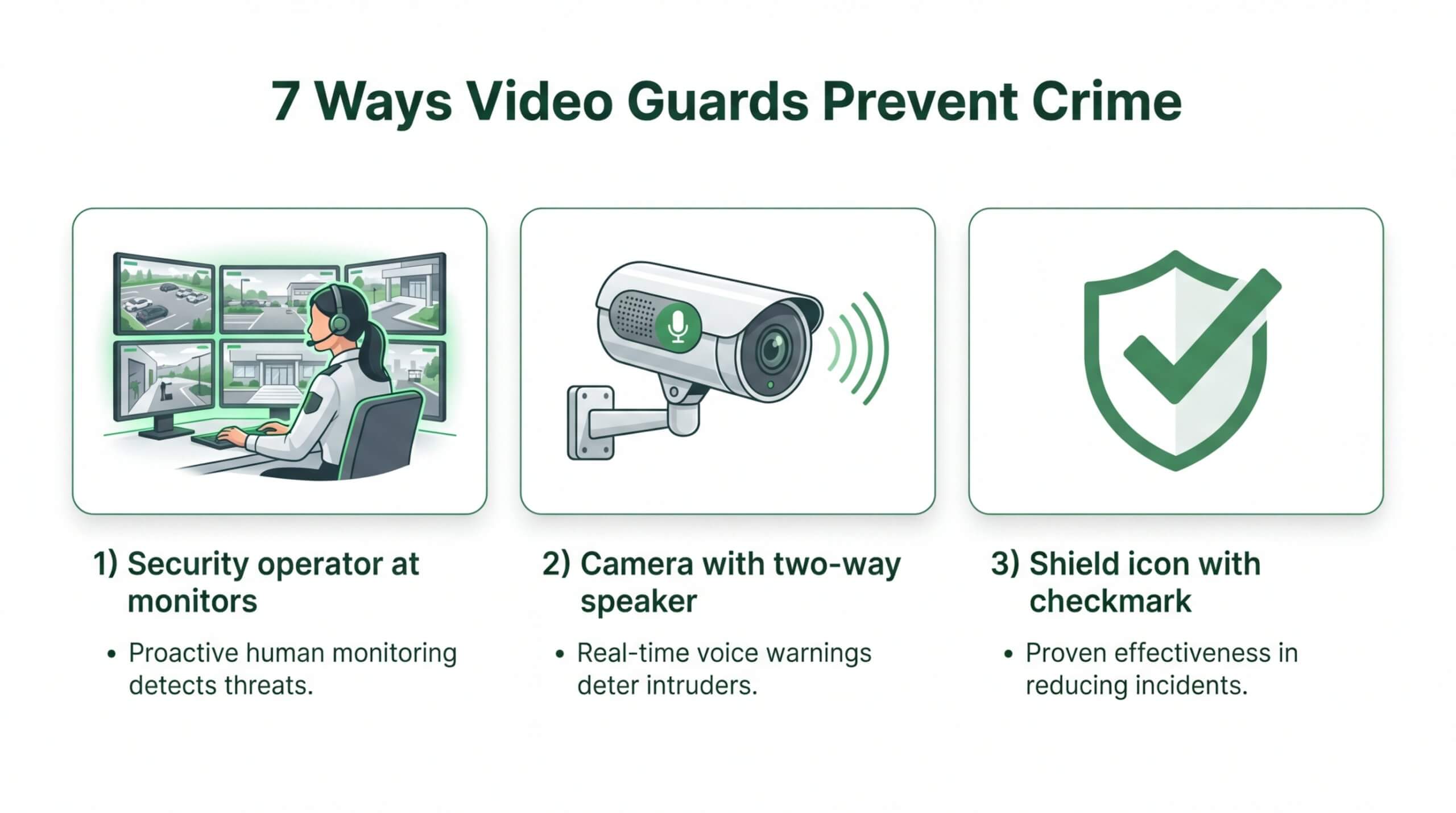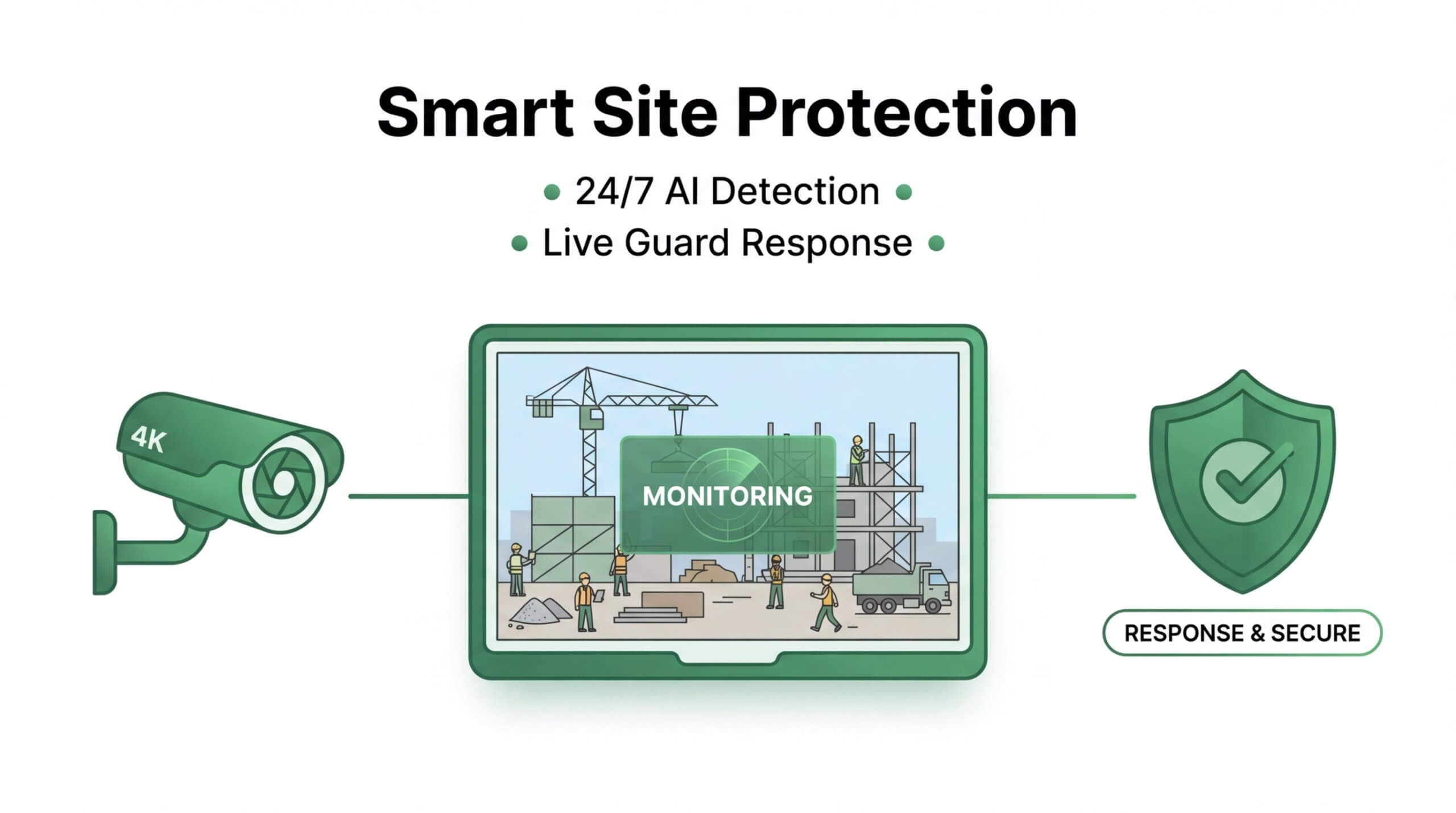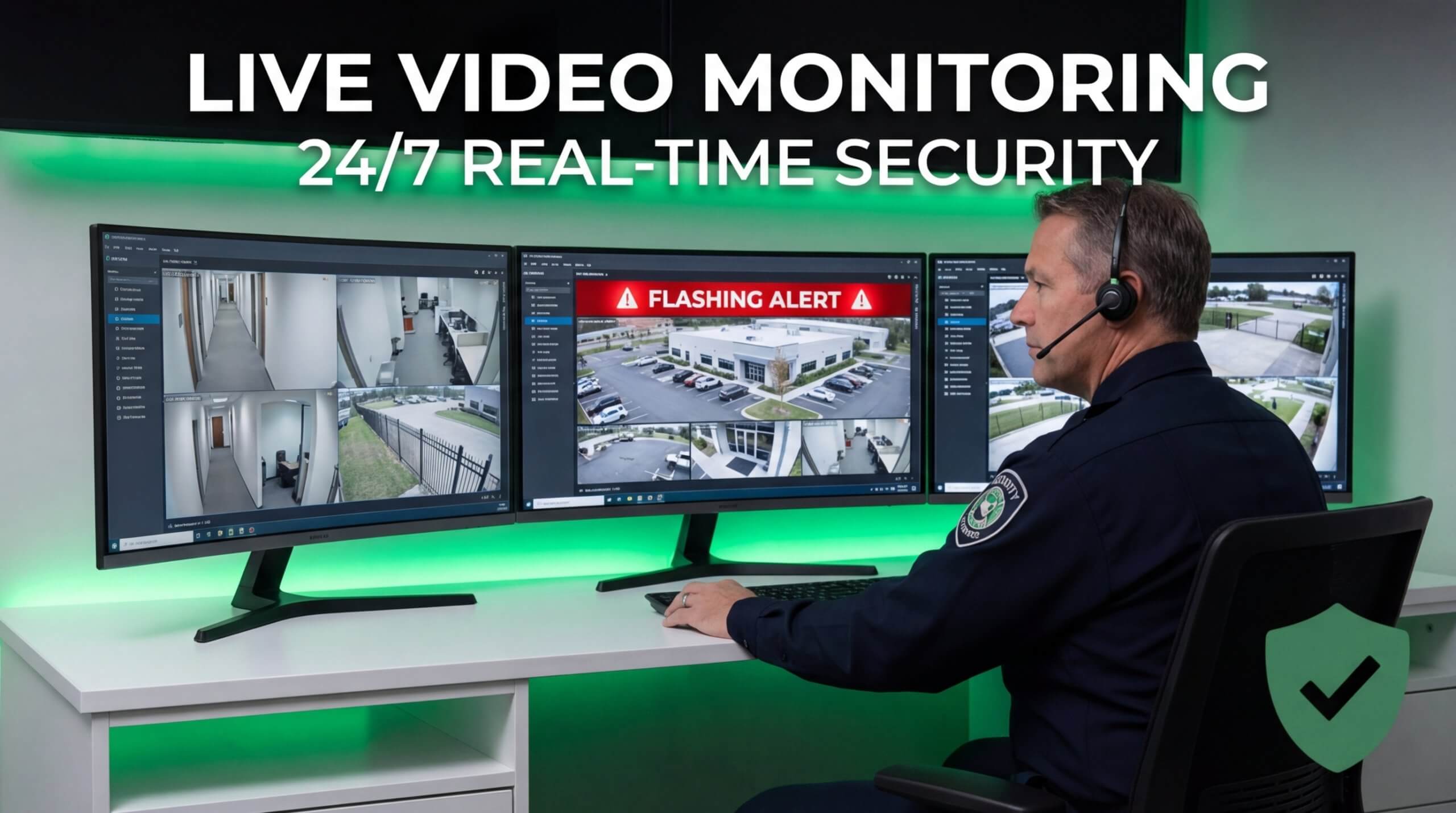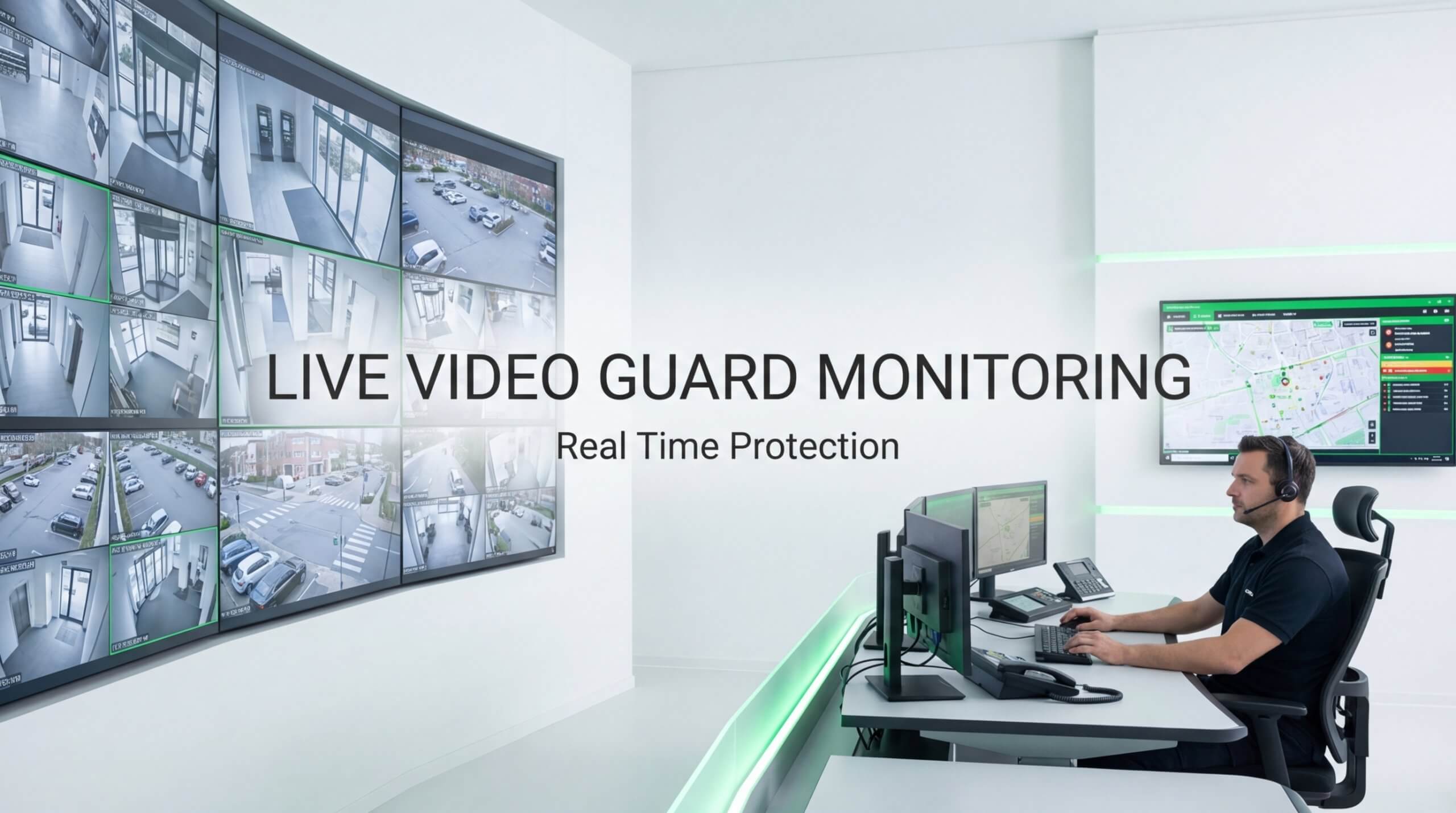
Intelligent live video monitoring is an evolution of traditional CCTV systems where cameras are combined with artificial intelligence, Internet of Things (IoT) sensors, and predictive analytics to automatically detect unusual patterns, send real-time alerts, and even forecast potential risks before they escalate. This approach goes beyond passive recording, creating proactive security for homes, offices, and public spaces.
According to MarketsandMarkets, the global video surveillance market is expected to grow from $54.42 billion in 2024 to $88.71 billion by 2030, at a CAGR of 8.5%, highlighting the rapid adoption of more innovative solutions worldwide.
For businesses, this means fewer blind spots, lower workforce costs, and faster incident response. For homeowners, it delivers greater peace of mind, remote control, and integration with other smart devices.
This guide will help readers understand the key innovations, benefits, challenges, and realistic expectations for the next decade of intelligent live video monitoring.
What Makes Video Monitoring “Smart”?
Intelligent live video monitoring combines artificial intelligence, automation, cloud-based analytics, and Internet of Things integration. These systems do more than just stream or record video—they interpret activity, trigger automated actions, and connect with a network of sensors and devices for richer context.
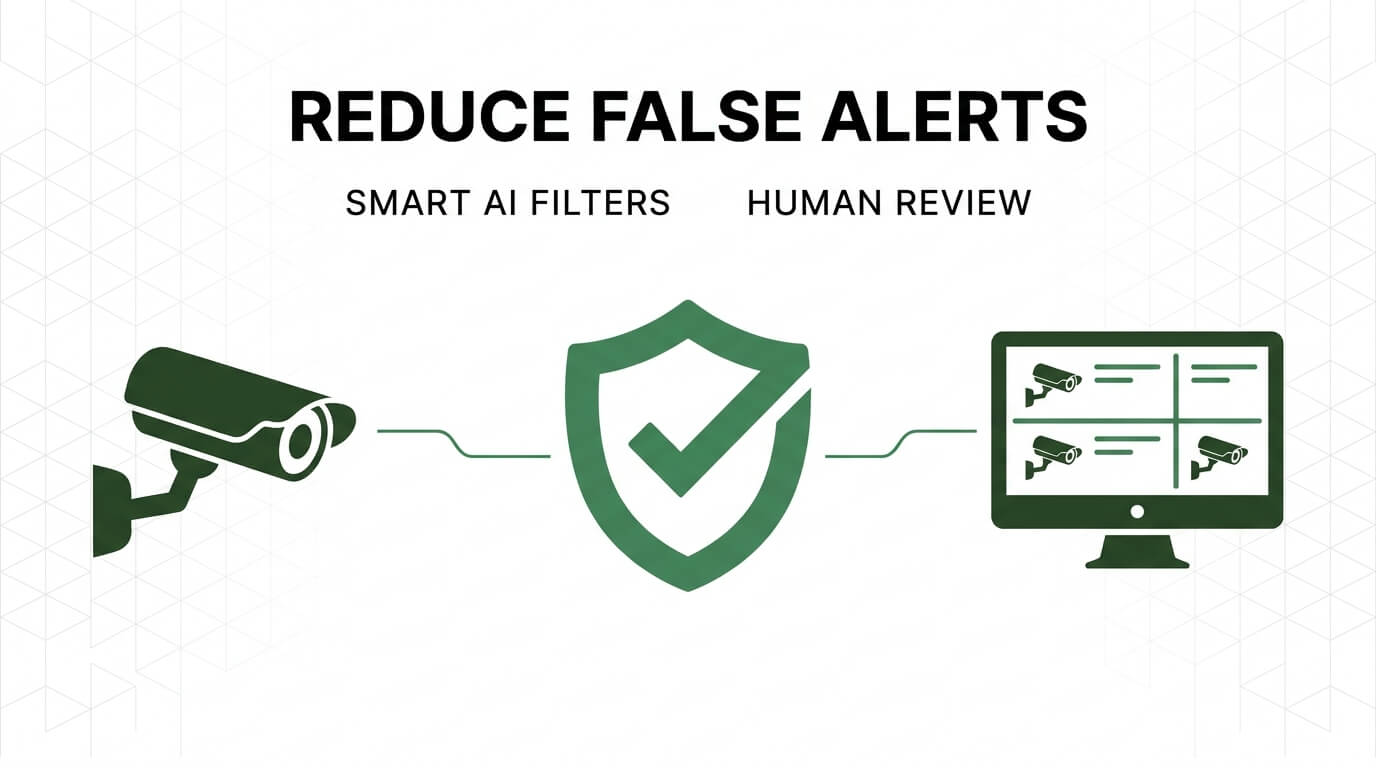
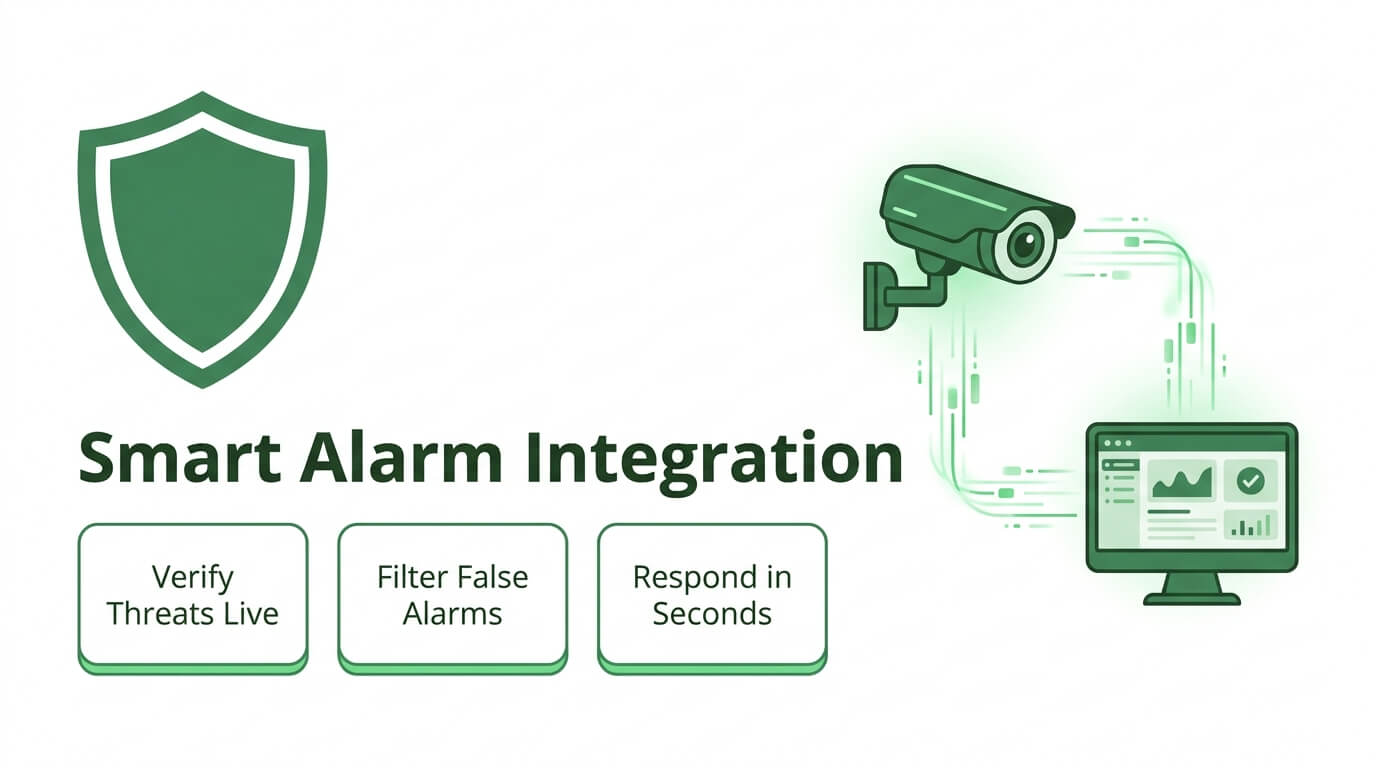
In contrast, basic live monitoring systems generate numerous false positives. For example, studies on alarm systems in the U.S. show that up to 98% of traditional alarm activations are false, which wastes police resources and reduces response efficiency Smart monitoring systems help reduce such false alarms by automatically verifying events and filtering out non-critical triggers.
Role of AI and Machine Learning in Security
AI and machine learning enable innovative security systems to learn what normal conditions appear like and detect anomalies relative to that baseline. For example, algorithms can learn to recognize regular patterns of foot traffic in a parking lot. When someone loiters for too long or leaves a package unattended, the system can flag this behavior.
These technologies reduce false alarms dramatically. In healthcare settings, for example, a machine learning algorithm reduced false alarms from patient monitors by reducing artifacts and non-critical signals. In one study conducted in an intensive care unit (ICU), signal processing and machine learning were demonstrated to reduce false alarms while maintaining true alarms.
AI models may also adapt continuously, retraining with feedback, to improve over time.
IoT Integration With Smart Monitoring Systems
IoT integration adds non-visual data and control capability to video monitoring.
- Sensors such as door/window sensors or motion, heat, or environmental sensors can trigger video capture or confirm an event.
- Access control systems and smart locks integrate to verify entry attempts via video.
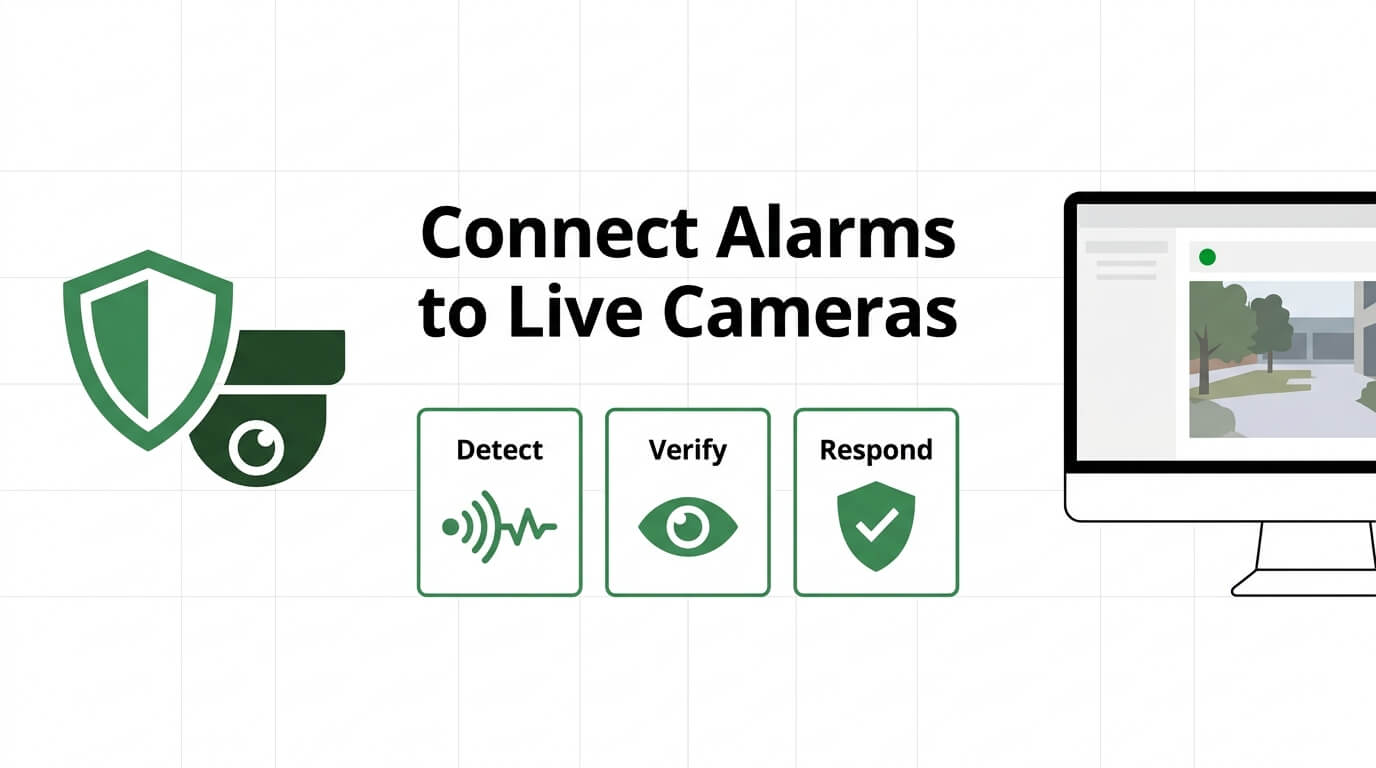
- Alarms or sirens can be activated automatically when video analytics detect suspicious activity.
These additional inputs help reduce false positives and provide a more comprehensive understanding of what is happening, beyond just visuals.
Cloud-Based and Remote Monitoring Capabilities
Cloud-based systems offer several advantages:
- They enable the centralized management of video feeds and analytics from multiple cameras across various locations.
- They enable rapid access to data, allowing authorized users to review footage or receive alerts from mobile devices or remote consoles.
- They reduce the need for heavy local hardware, saving on maintenance and cost.
- They centrally facilitate updates and improvements across the system.
Key Innovations Driving the Future of Smart Monitoring
Below are the major innovations shaping the Future of intelligent monitoring.
1. Predictive Analytics for Crime Prevention
Predictive analytics aims to forecast where and when incidents will occur, rather than only reacting. This analysis utilizes historical crime data, environmental context, temporal patterns, and other relevant variables.
One example of research in this area is the NIJ Real-Time Crime Forecasting Challenge. A winning model utilized spatio-temporal forecasting with kernel methods to improve upon baseline models of crime hotspots.
2. Facial Recognition and Biometric Security
Facial recognition and other biometrics are increasingly used in retail, airports, and corporate buildings.
Benefits include:
- Rapid identification of persons of interest.
- Streamlined check-in or access control.
- Enhancing security by reducing reliance on physical badges.
However, there are ethical concerns:
- Potential misidentification, especially in underrepresented demographic groups.
- Risks around privacy, consent, and surveillance without oversight.
- Data retention and misuse concerns.
3. License Plate Recognition and Smart Traffic Monitoring
Automatic License Plate Recognition (ALPR) systems are used for:
- Identifying stolen vehicles.
- Monitoring entry/exit in gated premises or restricted zones.
- Managing parking and traffic flow, detecting violations.
These systems, when integrated with video analytics, enhance commercial and residential security by providing real-time intelligence on vehicle movements.
4. Smart Two-Way Audio Systems
Innovative audio features are becoming part of surveillance systems:
- Systems can detect voice commands or audio cues, such as yelling, alarms, or distressed voices.
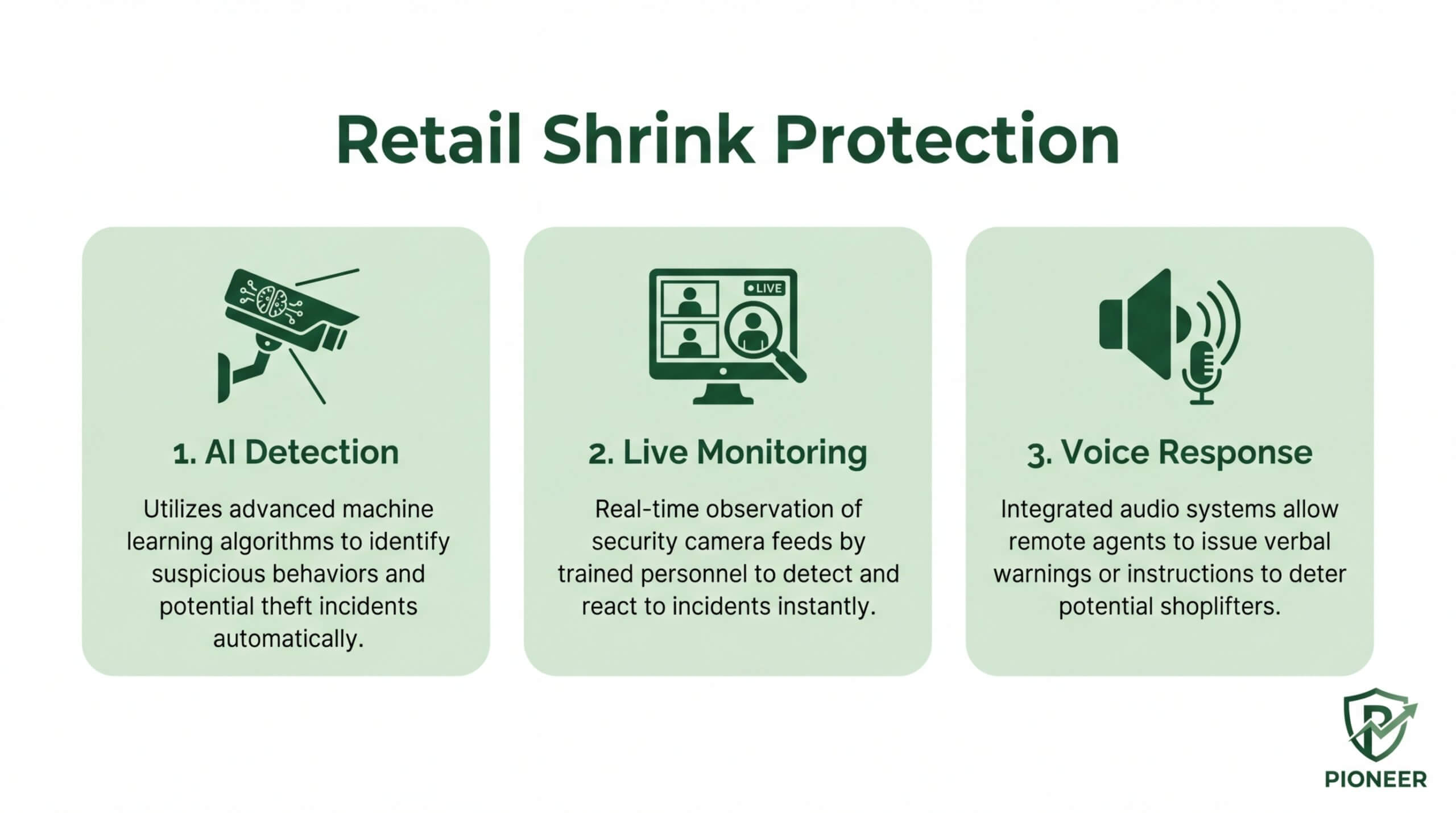
- Two-way communication enables remote personnel to issue warnings or instructions, such as “You are being recorded” or “Move away.”
- Future systems may support multilingual automated scripts to address incidents in diverse settings.
These capabilities aid in confirming threat levels and deterring bad behaviour without deploying physical security immediately.
5G and Ultra-Fast Connectivity
Faster networks are critical for more advanced monitoring:
- 5G networks provide lower latency, which means live video feeds arrive almost in real time.
- They support high-resolution video and allow many devices to be connected simultaneously.
Globally, public safety agencies are investing in LTE/5G infrastructure for real-time video, data, mapping, and situational awareness applications. A report estimated that global spending on public safety LTE/5G network infrastructure and devices will exceed USD 5.7 billion by the end of 2026.
According to a MarketsandMarkets report, the U.S. video surveillance market was valued at USD 11.27 billion in 2024 and is expected to reach USD 18.06 billion by 2030, growing at a CAGR of 8.2%.
Benefits of Smart Monitoring for Businesses and Homes

Intelligent monitoring offers measurable improvements over traditional surveillance for both homes and businesses. It increases accuracy, accelerates response, scales across sites, and adapts to specific needs.
Enhanced Accuracy and Fewer False Alarms
Intelligent systems utilize AI and machine learning to minimize false positives by distinguishing genuine threats from benign events. They analyze multiple data streams, sensor quality, and environmental context.
A study published in npj Digital Medicine found that false alarm rates in intensive care units reached 88.8%. Using optimized machine learning methods and signal quality indices, false alarms were significantly reduced without compromising the detection of true alarms.
Another review in Exploratory Research and Hypothesis in Medicine reports that combining customization (e.g., adjusting thresholds) and algorithm improvements leads to excellent reductions in non-actionable alarms.
This means fewer unwarranted disruptions for households. It means businesses waste less workforce and money responding to false alerts.
Faster and Verified Emergency Response
Intelligent monitoring can shorten emergency response times by providing responders with real-time, verified information and directly connecting them to dispatch systems.
A report from RapidSOS indicates that connecting video management systems directly to 911 centers reduces end-to-end response times by 71%.
Technology that allows emergency communication, live video, and situational awareness in command centres has proven to help state agencies manage major incidents more efficiently.
For business owners, verified alerts mean police or fire services arrive more quickly and are better prepared. For homeowners, risk is reduced when threats are confirmed visually before dispatch.
Greater Scalability for Multi-Site Operations
Businesses that operate in multiple locations, such as retail chains, warehouses, and campuses, benefit significantly from intelligent monitoring due to its scalability and centralization.
Cloud-based platforms enable the management of cameras, sensors, alerts, and policies from a single, centralized location. This reduces the need for separate infrastructure at each site.
Automation reduces the number of human monitors needed, even as the number of cameras or sites increases. This keeps staff cost growth under control.
Policies, detection thresholds, and response protocols can be deployed uniformly across all sites, ensuring consistency and uniformity.
Personalized Security Solutions
Intelligent monitoring systems can be adapted to specific property types, user behaviour, and risk profiles. Adaptation improves both effectiveness and user satisfaction.
Behaviour feedback loops allow users to mark false alerts or recognize essential events. Over time, systems learn what types of events matter most.
Different types of properties (homes versus warehouses versus open retail) have different threat vectors and patterns. Intelligent systems offer adjustable sensitivity levels, detection zones, and schedules.
Personalized system settings enable differentiated rules based on time of day, occupancy, lighting, or the presence of other sensors.
Challenges and Risks of Smart Video Monitoring
Intelligent surveillance offers numerous benefits, but these systems are not without risk. Users must understand challenges related to privacy, cost, AI limitations, and cybersecurity.
Privacy Concerns and Data Protection
Innovative systems often use biometric data, face recognition, and continuous visual monitoring. This raises legal and ethical issues.
Under the European Union’s General Data Protection Regulation (GDPR), biometric data are “special category data”. Processing such data requires explicit consent or strict legal justification. Individuals have the right to access, correct, or erase their data.
In California, the California Consumer Privacy Act (CCPA) grants consumers the right to know what data is collected, request deletion, and opt out of the sale of their personal data. Surveillance data that includes identifiable images or voice could fall under those rules.
Ethical issues include consent, ongoing monitoring, the potential misuse of facial recognition in public spaces, and risks of identification errors or bias.
Cost of Advanced Smart Monitoring Systems
The initial investment in intelligent monitoring is significantly higher than for basic cameras. These costs include hardware, networking, cloud services, maintenance, and training.
High-resolution cameras, edge computing, or cloud computing for video analytics, smart sensors, two-way audio, and biometric modules increase capital expenditures.
Ongoing costs include cloud data storage, bandwidth, software license fees, firmware updates, and the hiring of skilled personnel to manage AI models and system operations.
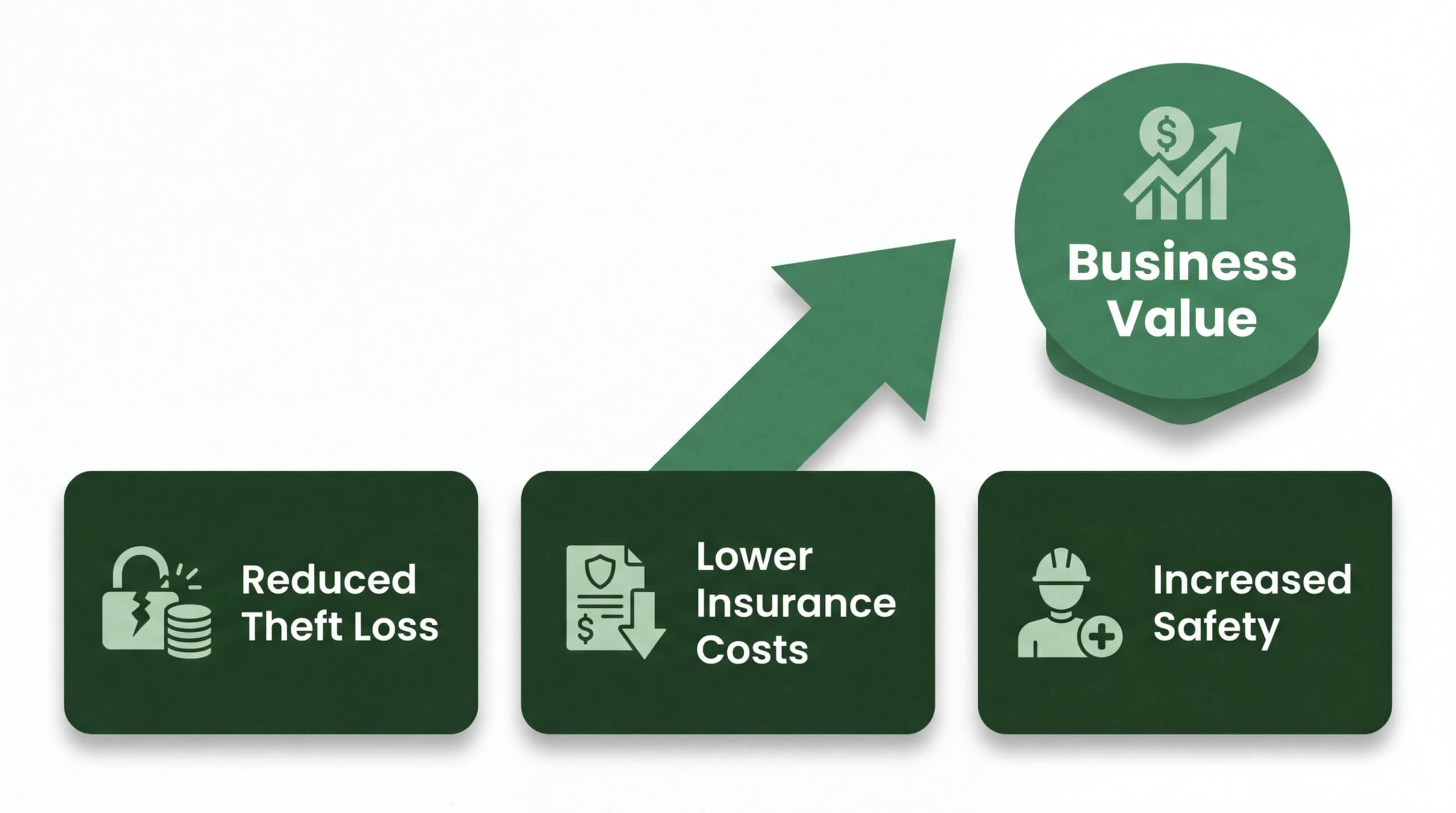
However, return on investment (ROI) can be substantial. Reduced losses from theft or vandalism, lower insurance premiums in some jurisdictions, fewer false responses, and reduced staff overhead all contribute to cost recovery over time.
What is the Risk of Over-Reliance on AI?
While AI is powerful, it is not infallible. Human oversight remains essential to maintain fairness, correctness, and accountability.
AI models depend on the quality of training data. If the data is biased, the model may misidentify individuals or activities, resulting in false positives or negatives.
Environmental changes (such as light, weather, and obstructions) can temporarily degrade AI accuracy.
Critical decisions require context and judgment that AI cannot fully capture, such as motive, intent, and ethical concerns. Particularly when using biometric recognition, there must be human review and the ability to challenge decisions.
Cybersecurity Threats to Smart Monitoring Systems
- Intelligent systems are composed of networked devices, cloud storage, AI models, and often external integrations. They are vulnerable to hacking, tampering, or data theft.
- Attackers can attempt to intercept video feeds, manipulate footage, or turn off cameras.
- Weakly secured sensors or IoT devices may be exploited as entry points. Regular firmware and software updates, strong authentication, and encryption both in transit and at rest are essential.
- Data breach of stored video or biometric data can lead to serious privacy violations, identity theft, reputational damage, and legal liability.
In the ICU context, false alarm rates have been measured at up to 90 % in some systems when using basic threshold alarms. The study in NPJ Digital Medicine reduced 59.7 % of these false alarms in specific categories without suppressing accurate alarm signals.
Industry-Specific Future Applications

Different sectors will adopt intelligent video monitoring in ways that match their specific needs. The coming years will see tools tailored to retail, workplaces, homes, and public safety. Each sector has distinct use cases and priorities.
Retail and Shopping Centers
In retail and shopping malls, intelligent video monitoring will help reduce theft, analyse customer flow, and improve store layouts and service.
- Intelligent theft detection: AI systems will detect shoplifting attempts, identify repeat offenders through facial recognition (where legally permitted), and monitor suspicious behavior, such as concealment or unusual movements. This helps reduce shrinkage.
- Customer flow analysis: Retailers will utilize heat maps, dwell time metrics, and crowd density sensors to identify which areas attract the most customers. This leads to better product placement, staffing, and store design.
- Queue management: Cameras combined with AI will detect long checkout lines or service delays, triggering alerts to deploy more staff or open new counters.
- Theft prevention at exits: Smart gates and license plate recognition systems can track goods leaving the premises, tying video with point-of-sale data to verify legitimate exits.
Corporate Offices and Workplaces
Corporate settings will utilize intelligent monitoring to support safety, compliance, and optimize the use of space.
- Employee safety: Systems will detect hazards (such as spills, fires, and obstructions), monitor for unauthorized access, and ensure that safety protocols, including PPE (personal protective equipment) compliance, are followed.
- Compliance: In regulated industries (e.g., pharmaceuticals, finance), video logs with biometric access or face recognition will help document who accessed what and when. This assists audits and investigations.
- Space utilization: Cameras combined with analytics will monitor occupancy levels in meeting rooms, hallways, and shared spaces. Data will drive decisions about leasing, remodeling, HVAC optimization, and cleaning schedules.
- Visitor management: Integration with facial recognition or badge systems enables automated visitor verification, tracking, and more secure access to sensitive areas.
A real-world evaluation titled “From Lab to Field: Real-World Evaluation of an AI-Driven Smart Video Solution to Enhance Community Safety” describes a deployment in a community college using 16 cameras. The system monitored pedestrian behaviour, used heat maps, and delivered real-time alerts with an average latency of ~26.76 seconds between anomaly detection and alert issuance.
Residential Communities and Smart Homes
Smart homes and residential communities will increasingly integrate video monitoring with other innovative technologies to deliver more seamless and proactive security and convenience.
Smart locks, voice assistants, and mobile apps will integrate with video, allowing residents to see who is at the door, grant remote access, or lock/unlock doors based on visitor recognition.
- Community-level monitoring: In gated communities, video combined with license plate recognition will automatically track visitor cars, detect unknown vehicles, and send alerts to security personnel and residents.
- Personal behavior adaptation: Over time, systems will learn household patterns (such as when people come in/out, and regular visitors) to reduce false alarms and automate alert thresholds.
- Remote surveillance features: Live monitoring via mobile apps, push notifications, summary clips (e.g., “activity at front gate between 2-3 AM”) will become standard.
- Integration with other sensors: Smoke detectors, glass break sensors, motion detectors, and environmental sensors will all feed into the monitoring system for holistic home safety.
While specific national data for Pakistan is limited, global market trends for smart home security show steady growth. According to Statista, the smart home security market in Asia is expected to continue growing over the next several years, with an increasing adoption of integrated video and access control systems.
Public Safety and Smart Cities
Municipalities and public agencies will utilize intelligent video monitoring to enhance overall community safety, emergency response, traffic management, and urban planning.
Predictive monitoring and early warning: Combining video with other data (traffic flows, environmental sensors, social media) to detect rising risks (crowd build-ups, protests, natural hazards) and deploy response ahead of incidents.
The Smart City Public Safety Intelligent Early Warning and Detection study describes frameworks and modules for early warning, data sharing, situation display, decision support, and robot or rescue dispatch in smart city settings.
- Traffic monitoring and accident detection: Cameras at intersections and highways will not only record, but also detect abnormal actions or collisions in real-time and send alerts to traffic control or emergency services. The Review on Action Recognition for Accident Detection in Smart City Transportation Systems explains how action recognition algorithms are being used to detect accidents with high precision using multiple camera sources.
- License plate and vehicle tracking: Public safety deployments will use license plate recognition to flag stolen or suspicious vehicles, enforce curfews or restricted zone access, and support law enforcement investigations.
- Environmental and disaster surveillance: Monitoring heat signatures, smoke or flame detection, and flood risk sensors, integrated with video feeds, will help catch environmental hazards early.
- Urban operations efficiency: Public works, traffic, sanitation, and police can share video data (where legal) under unified management platforms for improved coordination. Video surveillance systems in smart cities are already contributing to urban management beyond crime prevention, including environmental and public health monitoring.
The Future Outlook: Where Smart Monitoring Is Headed
Intelligent monitoring is evolving from an optional upgrade to becoming the new standard for security. Predictive AI will continue to grow, learning to spot risks earlier and with higher accuracy. Global IoT adoption means that cameras, access controls, sensors, and emergency systems will work as one interconnected network, rather than as isolated devices.
This will be supported by hybrid oversight models, in which human operators supervise AI decisions and intervene when necessary, ensuring both efficiency and accountability. Over the next decade, intelligent monitoring will no longer be seen as a luxury but as a standard expectation for safeguarding people, assets, and data in every sector.
Secure Your Future with Pioneer Security
The journey of video surveillance is shifting from reactive recording to proactive intervention and now toward predictive protection. Each section above illustrates how AI, IoT, and cloud technology are transforming monitoring for retail, workplaces, homes, and public safety. By investing in intelligent monitoring today, businesses and homeowners position themselves for stronger security, lower risk, and better operational insight in the years ahead.
Pioneer Security can help you navigate these innovations with tailored solutions, allowing you to explore providers, request a demo, or discuss your needs with our team and start preparing for the Future of security now.
Frequently Asked Questions
What makes video monitoring “smart” compared to today?
Intelligent monitoring combines cameras with artificial intelligence, predictive analytics, and Internet of Things (IoT) sensors to analyze footage, rather than just automatically recording it. Algorithms detect unusual behavior, integrate data from access controls and alarms, and issue real-time alerts.
Will intelligent monitoring fully replace traditional CCTV?
Traditional CCTV will remain in some locations because it is cheaper and simpler to run, but its role will shrink as innovative systems become more affordable. Over time, most new installations will be “smart ready” and include analytics and cloud connectivity. Many organisations will run hybrid setups where older cameras feed into newer analytics platforms.
How will AI improve video monitoring in the Future?
AI will improve accuracy by learning standard behaviour patterns for each site and distinguishing actual threats from harmless activity. Predictive models will analyse historical trends to anticipate incidents, such as crowd surges or loitering before a break-in. These capabilities reduce false positives and allow faster, more targeted responses by security staff.
Is facial recognition legal and compliant worldwide?
Facial recognition is regulated differently across countries and regions. The EU’s GDPR imposes strict limits and requires explicit consent for biometric processing, while some U.S. states, such as Illinois, also restrict its use. Other countries permit wider deployment in public spaces but face ongoing privacy debates, meaning organisations must review local laws before activating this feature.
How much more expensive is intelligent monitoring?
Initial costs for innovative systems can be 20–50 percent higher than those of comparable traditional CCTV systems due to the addition of analytics software, cloud storage, and sensor integration. However, the return on investment comes from lower staffing costs, fewer losses due to theft or accidents, and improved operational insights, which, over several years, often outweigh the upfront premium.
What industries will benefit the most from innovative systems?
Retailers benefit from theft reduction and shopper behavior analytics, while finance and logistics utilize it for compliance and asset protection. Residential communities enjoy integrated access control and remote monitoring. Any sector managing multiple sites or high-value assets stands to benefit from the automation, predictive alerts, a nd data-driven decisions that innovative systems provide.